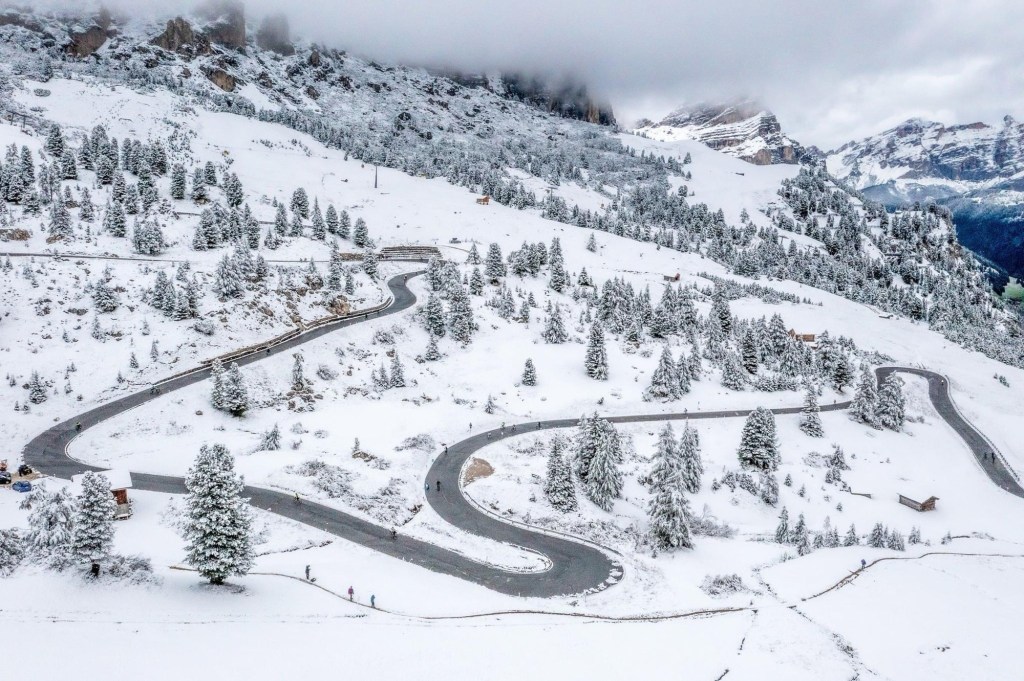
To pull off this 7-day crossing, your strategy for fuel and gear is just as important as your ski line. Below are the specific locations to stock up and the best spots to refuel along the way.
⛺ Planning the Window: When to Book
- The Winter Window: The main winter season for most refuges and lift facilities in the Dolomites runs from early December (around Dec 5–6) through early April (around April 6–7).
- Hut Strategy: Many high-altitude huts officially open for winter around December 5 or 6. However, popular refuges like Lagazuoi may open slightly later in December (around Dec 23), while others like Averau open as early as Dec 6.
- Early Spring: The high-altitude trekking season traditionally begins on June 20, but if the weather is favorable, many huts in Trentino open their doors early in spring.
🛒 Where to Buy Gear & Supplies
Start your journey in San Martino di Castrozza, which serves as your primary base for equipment and food.
- Mountain Equipment & Ski Gear
- San Martino di Castrozza: You will find several shops for mountain clothing and equipment. Minimarket Taufer also stocks gear-related accessories like condimenti and basic mountain needs.
- Cortina/Pocol Area: If you pass through the northern routes, the Sports Equipment Rental Pocol opens in early December.
- Groceries & High-Energy Snacks
- Despar Supermarket (San Martino): Best for fresh fruit, regional specialties, artisanal cold cuts, and local cheeses.
- Coop Supermarket (San Martino): Famous for quality and organic options, including a section for natural foods, whole grains, and healthy snacks.
- Minimarket Taufer (San Martino): Offers a wide range of “genuine products” including speck, salumi, honey, and specialty muesli (chocolate, yogurt/raspberry, or honey/nut mixes) which are perfect high-energy trail fuel.
- Finishing in Friuli (Forni di Sopra)
- Cooperativa Imperial Forni: A central supermarket for replenishing supplies.
- Local Delicacies: Visit Malga Alta Carnia or Malga Carnia Formaggi for specialty mountain cheeses and select cold cuts.
- Fresh Bread: Stop at Panificio Fornese for local baked goods to carry on your final descent.
🍰 Sweet Treats, Chocolate & Coffee
Alpine touring burns thousands of calories, so high-energy stops are essential. - Pasticceria Myriam (Forni di Sopra): A great spot to end your journey with traditional Friulian pastries.
- Minimarket Taufer: Stocks a variety of chocolates and sweets specifically labeled for mountain energy.
- Bar & Chocolaterie (Hotel Villa Eden, Corvara): If your route dips into Val Badia, they offer a wide range of flavored hot chocolates and little chocolates perfect for a mid-journey treat.
- Handmade Dolomites Chocolate: Look for specialized “Dolomites Chocolate” in local centers like the Gardena Center, which combines South American and African cocoa with mountain tradition.
🍽️ Where to Have Dinner & Breakfast - Alpine Refuge Dining: In winter, a typical hut meal starts with a platter of speck, luganega, and Alpine cheeses, followed by hearty classics like goulash with polenta or hot canederli (Tirolian dumplings).
- Baita Colverde (San Martino): At 2,000 meters, this refuge offers traditional Primiero Valley specialties and is perfect for a lunch stop or a romantic high-altitude dinner.
- Malga Civertaghe (San Martino): A mountainside dairy farm (malga) known for authentic local food like polenta and a blend of Italian and Austrian dishes.
- Rifugio Rosetta: Offers warming meals like pasta with venison or minestrone, essential after skiing through deep snow.
- Ristorante da Anita: Ideal for a traditional dinner featuring local specialties like pumpkin ravioli and sachertorte.
To help you prepare for the physical demand of this “High Ways” crossing, here is a breakdown of the daily metrics for a 7-day winter ski traverse from Passo Rolle (Trentino) to Forni di Sopra (Friuli).
🏔️ Difficulty and Terrain
This traverse is classified as Intermediate to Advanced. You should be a fluid off-piste skier capable of handling all snow conditions and comfortable with “kick turns” on slopes up to 35°.
📊 7-Day Performance Summary
The average daily climb with skins ranges from 500m to 1,100m. For a traverse of this scale, expect to skin for 2 to 5 hours per day. Day Key Stage Est. Vertical Gain (Uphill) Technical Difficulty 1 Passo Rolle to Monte Mulaz ~700m – 900m Moderate (Porphyry ridges) 2 Mulaz to Forca Rossa ~500m – 1,100m Moderate (Limestone plateau) 3 Marmolada Glacier Ascent ~1,200m – 1,400m Challenging (High altitude) 4 Sella Massif & Val de Mesdì ~600m – 700m Technical (Narrow couloirs) 5 Fanes to Tre Cime ~500m – 900m Moderate (Frozen valleys) 6 Croda Rossa to Friuli Border ~1,000m Demanding (Remote wild) 7 Monte Pramaggiore Descent ~1,200m – 1,400m Technical (Final steep lines)
🥗 High-Performance Fueling Tips
Since you will be burning between 3,000 and 5,000 calories daily, follow these fueling indications:
- Breakfast (The “Refuge Special”): Most huts provide a heavy breakfast of malga milk, artisanal jams, local cheeses, and cold cuts to provide slow-release energy.
- On-the-Trail Snacks: Pack “genuine products” from local minimarkets like chocolate-mixed muesli, speck slabs, and honey-nut bars.
- Lunch: Many huts offer sack lunches you can pack, or you can stop at valley refuges for a warm Gulaschsuppe (goulash soup).
- Dinner: Focus on recovery with protein and carbs—venison pasta, handmade canederli (dumplings), and traditional polenta.

 SummerSimo Travel Troubles Notes and The Purring Page
Leave a comment