Nestled in the heart of the Cotswolds, Bibury is a quintessential English village that exudes timeless charm. Its history stretches back to the Anglo-Saxon era, with its name first appearing in the Domesday Book of 1086. This quaint village, with its honey-colored stone cottages and idyllic setting, has captivated visitors for centuries, including the renowned artist and designer William Morris, who declared it “the most beautiful village in England.”
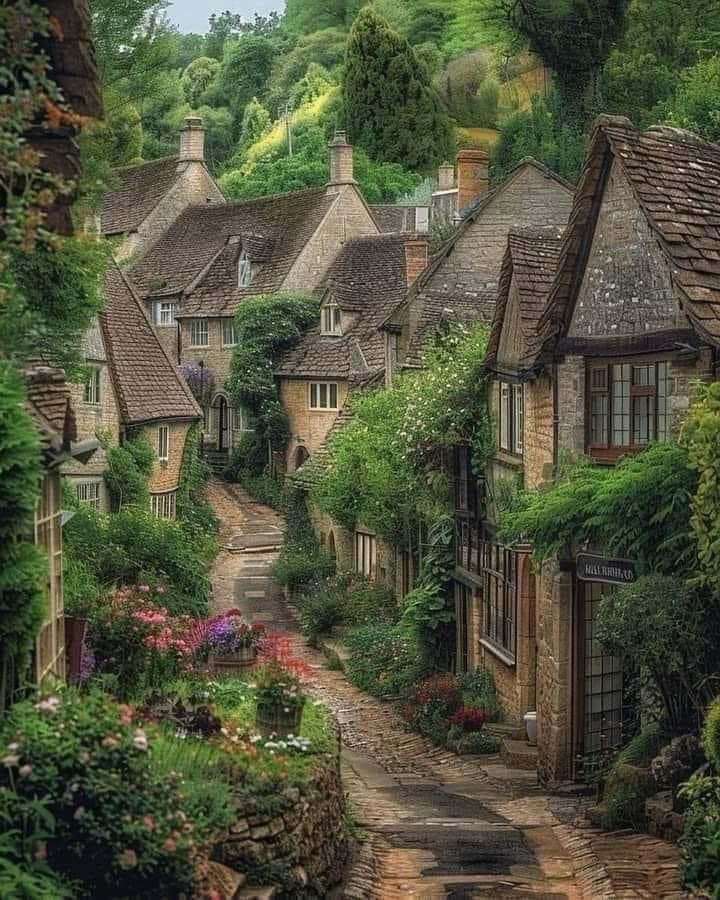
At the heart of Bibury’s allure lies Arlington Row, a picturesque terrace of weavers’ cottages that epitomize the village’s historic character. Originally constructed in 1380 as a monastic wool store, these charming dwellings were later converted into homes in the 17th century. Their steeply pitched roofs, gabled windows, and quintessential Cotswold stone construction create a scene that seems frozen in time.
Bibury’s prosperity in the Middle Ages was deeply intertwined with the wool trade. The village played a vital role in the region’s wool production, contributing to the wealth and renown of the Cotswolds. The River Coln, which meanders through the village, once powered the mills that processed the wool, further solidifying Bibury’s place in this thriving industry.
Today, Bibury remains a haven of tranquility and a testament to traditional English architecture. Its well-preserved buildings, winding streets, and verdant surroundings offer a glimpse into a bygone era. The village has become a beloved destination for travelers seeking to experience the quintessential charm of rural England, with Arlington Row serving as an iconic symbol of the nation’s heritage.
Beyond its aesthetic appeal, Bibury offers a rich tapestry of history, culture, and natural beauty. From its ancient origins to its thriving wool trade and its enduring appeal as a tourist destination, Bibury stands as a testament to the enduring allure of the English countryside.

 SummerSimo Travel Troubles Notes and The Purring Page
Leave a comment