History of Easter Island
Easter Island, or Rapa Nui as it’s known by its native inhabitants, is a small island in the southeastern Pacific Ocean, famous for its enigmatic giant stone statues known as moai.
Early Settlement
The island was first settled by Polynesians around 1200 AD, who likely arrived in large canoes from the Marquesas Islands or the Gambier Islands. These early settlers brought with them their culture, including their skills in agriculture, fishing, and stone carving.
The Rise of Moai Culture
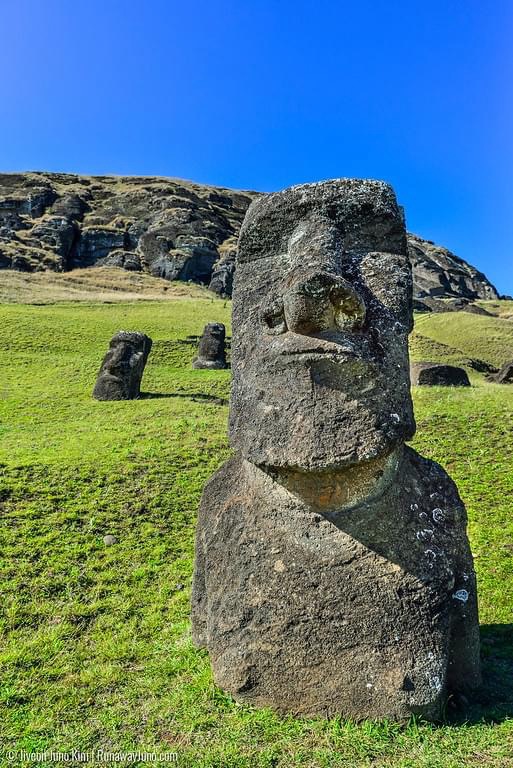
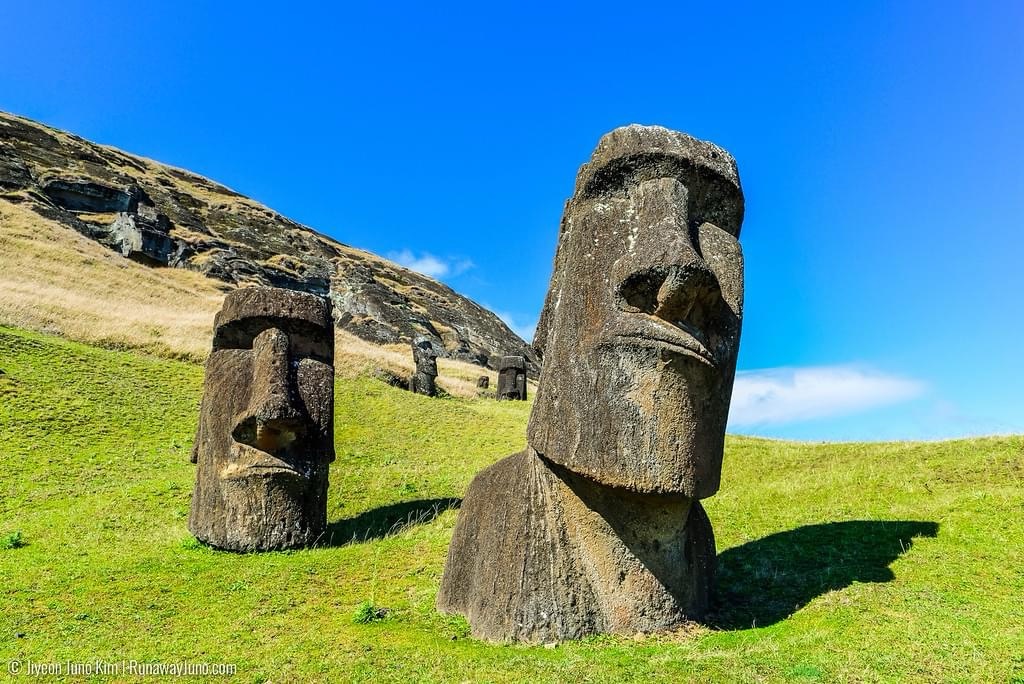
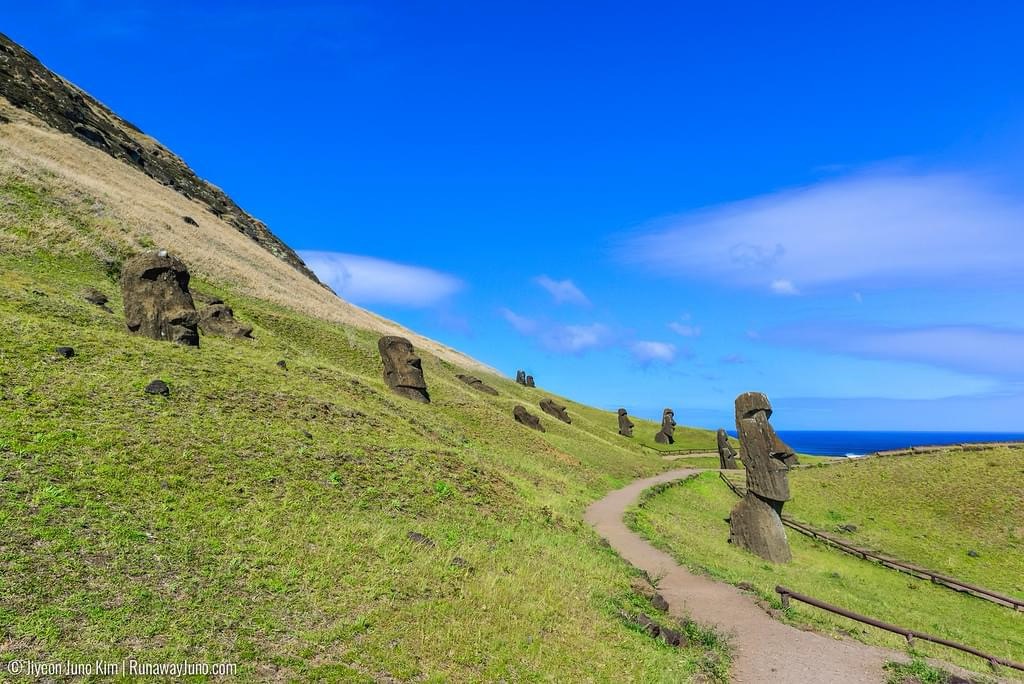
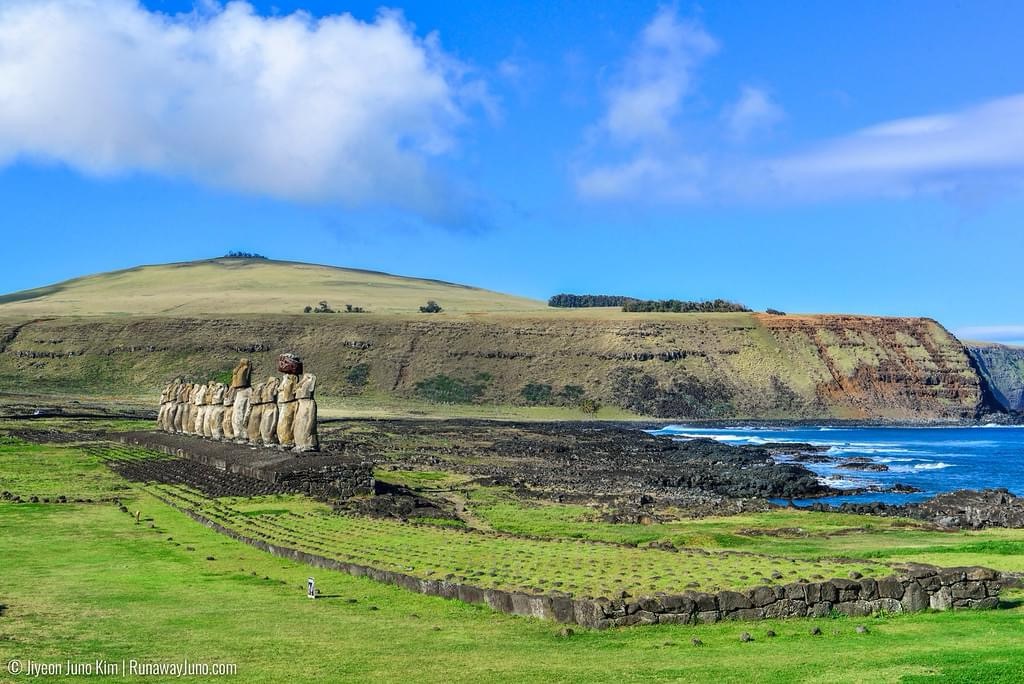
Between 1200 and 1500 AD, the island’s population grew, and the Rapa Nui people began to carve the iconic moai statues. These massive figures, carved from volcanic tuff, were erected on platforms called ahu, often facing inland towards the villages. The exact purpose of the moai remains a mystery, but they are thought to represent ancestors or important figures in Rapa Nui society.
Environmental Degradation and Decline
The island’s resources were finite, and the intensive agriculture and deforestation necessary to support the growing population led to environmental degradation. By the 17th century, the island’s ecosystem was severely damaged, and the society began to decline. Conflicts arose, and the moai were toppled.
European Contact and Annexation
The first European contact with Easter Island occurred on Easter Sunday 1722, when Dutch explorer Jacob Roggeveen landed on the island. Subsequent visits by European explorers and traders brought diseases and further disruption to the Rapa Nui people. In the late 19th century, Chile annexed the island, and it remains a Chilean territory today.
Tricks and Interesting Facts
- Walking Moai: The moai were not moved by rolling them on logs. Recent research suggests that they were “walked” upright using ropes and a rocking motion.
- Eye Openings: The moai were originally adorned with eyes made of coral and obsidian. These eyes were only inserted after the statues were erected, suggesting a ritualistic significance.
- Rongorongo Script: The Rapa Nui people developed a unique written script called Rongorongo. Unfortunately, the script remains undeciphered, leaving a gap in our understanding of their history and culture.
- Birdman Cult: After the decline of the moai culture, a new cult emerged centered around the birdman competition. Each year, representatives from different clans would compete to collect the first egg of the sooty tern from a nearby islet. The winner’s clan would gain control of the island’s resources for a year.
Modern Easter Island
Today, Easter Island is a UNESCO World Heritage Site and a popular tourist destination. The island’s unique history, culture, and enigmatic moai continue to fascinate and intrigue visitors from around the world.
Additional Resources: - The Secrets of Easter Island – Smithsonian Magazine: https://www.smithsonianmag.com/history/the-secrets-of-easter-island-59989046/
- NOVA Online | Secrets of Easter Island | First Inhabitants – PBS: https://www.pbs.org/wgbh/nova/easter/civilization/first.html
- History of Easter Island – Wikipedia: https://en.wikipedia.org/wiki/History_of_Easter_Island
- Easter Island ‑ Statues, Mystery & Facts | HISTORY: https://www.history.com/topics/south-america/easter-island
- History of Easter Island: https://www.easterisland.travel/easter-island-facts-and-info/history/
- http://freebooks.uvu.edu/polynesian_culture/10_Easter_Island_Culture.php

 SummerSimo Travel Troubles Notes and The Purring Page
Leave a comment