
“Curiosity led me down a rabbit hole of ancient Roman winemaking, where I unearthed the shocking practice of adding lead for sweetness. A stark reminder that even the most celebrated civilizations can harbor peculiar secrets.”
“My latest online escapade? A deep dive into the world of homemade limoncello. The allure of capturing sunshine in a bottle, the perfect balance of sweet and tart, and the promise of a chilled, refreshing sip on a warm evening… who could resist?”
Ah, the digital rabbit hole! It’s a wondrous place, isn’t it? The last thing I dove into? Well, let’s just say it involved a captivating blend of history, mystery, and a dash of the macabre. Picture this: ancient Roman winemaking practices, but with a twist – a toxic twist. Yes, I was delving into the peculiar (and rather alarming) habit of adding lead to wine for sweetness.
Why, you ask? Well, curiosity, my friend, is a relentless mistress. I stumbled upon a passing reference to this bizarre practice and, like a moth to a flame, I couldn’t resist the allure of the unknown. I found myself spiraling down a digital vortex of scholarly articles and historical anecdotes, my mind buzzing with questions.
Did they truly believe lead was harmless? How did it affect the taste? Was it a widespread practice or a clandestine indulgence of the elite? The more I unearthed, the more fascinated I became. It’s a stark reminder that even the most seemingly civilized societies can harbor peculiar and even dangerous customs.
It’s these unexpected detours, these glimpses into the stranger side of history, that make the online world such a treasure trove. You never know what fascinating tidbit you might stumble upon, what obscure corner of knowledge you might illuminate. So, next time you find yourself clicking on a seemingly random link, embrace the adventure! You might just discover a hidden gem that sparks your imagination and leaves you pondering the quirks of human history.
… The combination of crunchy biscotti and the sweet, unctuous Vin Santo creates a delightful contrast of textures and flavors that is both satisfying and comforting.
Beyond Biscotti: Exploring Vin Santo’s Pairing Potential
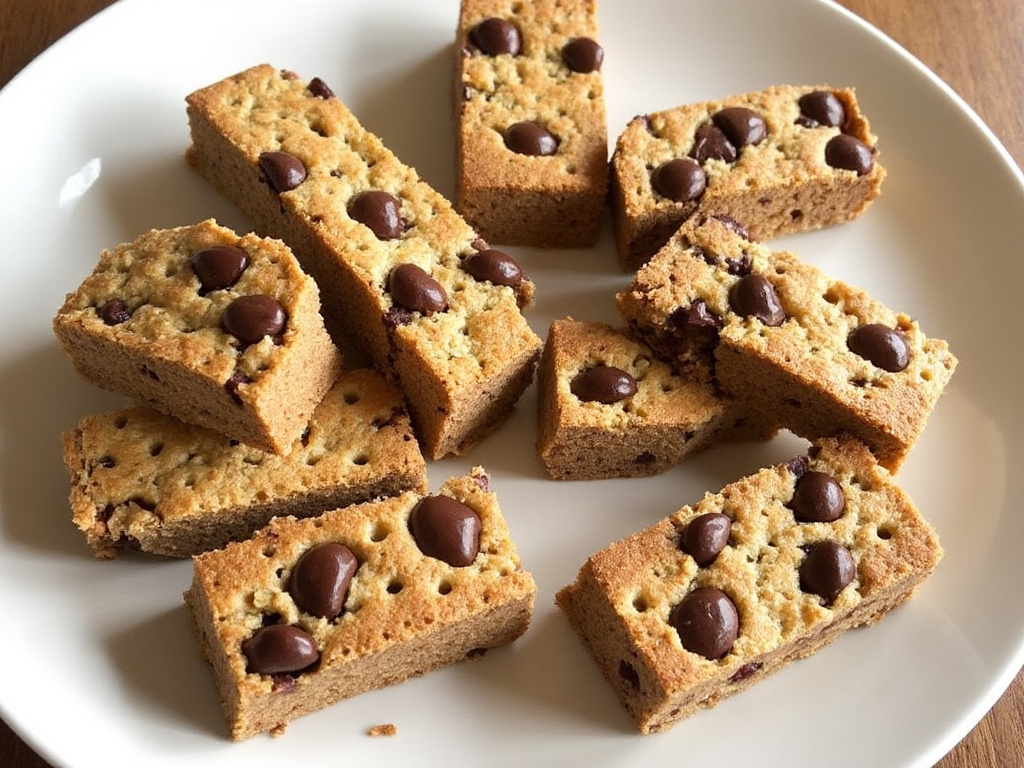
- Dessert Delights: Vin Santo’s rich, sweet profile pairs exceptionally well with a variety of desserts, including:
- Panettone: This traditional Italian Christmas cake, studded with candied fruit and raisins, complements the dried fruit notes in Vin Santo.
- Tiramisu: The coffee and cocoa flavors in tiramisu are beautifully balanced by the sweetness and acidity of Vin Santo.
- Fruit Tarts: The bright fruit flavors in a tart are enhanced by the wine’s sweetness, while its acidity cuts through the richness of the pastry.
- Gelato: A scoop of vanilla or hazelnut gelato alongside a glass of Vin Santo is a simple yet decadent treat.
- Savory Pairings: Vin Santo’s complex flavors also lend themselves to unexpected savory pairings:
- Aged Cheeses: The nutty and caramel notes in Vin Santo pair beautifully with aged cheeses like Parmigiano Reggiano, Pecorino Toscano, or Gorgonzola.
- Foie Gras: The richness of foie gras is balanced by the wine’s acidity, while its sweetness complements the savory flavors of the liver.
- Blue Cheese and Honey: This classic combination is elevated by the addition of Vin Santo, which adds another layer of complexity and sweetness.
Where to Experience Vin Santo:
- Tuscany, Italy:
- Avignonesi Winery: This renowned winery in Montepulciano offers guided tours and tastings of its award-winning Vin Santo, showcasing the traditional production methods and the unique terroir of the region. https://www.avignonesi.it/en/
- Castello di Monsanto: Located in the heart of Chianti Classico, this historic winery produces exceptional Vin Santo, aged in chestnut barrels for a minimum of five years. https://www.castellodimonsanto.it/en/
- Felsina Berardenga: Nestled in the hills of Chianti Classico, Felsina is a family-owned winery dedicated to producing high-quality wines, including their acclaimed Vin Santo. https://www.felsina.it/en/
- Vin Santo Festivals:
- Vin Santo Festival, Montepulciano: This annual festival celebrates the tradition of Vin Santo with tastings, workshops, and culinary events showcasing the versatility of this beloved wine.
- Cantine Aperte: During this national event, wineries throughout Italy open their doors to the public for tastings and tours, providing a unique opportunity to experience Vin Santo in its native environment.

Insider Tips:
- Visit during the “vendemmia” (grape harvest): If you’re in Tuscany during the fall, witnessing the grape harvest is a unique experience. Many wineries offer special tours and events during this time, providing a glimpse into the traditional methods of making Vin Santo.
- Take a cooking class: Several cooking schools in Tuscany offer classes focusing on traditional Tuscan cuisine, often including a Vin Santo tasting and pairing session. This is a great way to learn about the wine’s culinary versatility and discover new and exciting combinations.
- Visit a “vinsantaia”: Some wineries have dedicated rooms called “vinsantaie,” where they age their Vin Santo in small oak barrels. Ask for a tour to witness this fascinating process firsthand and learn about the different aging techniques employed by various producers.
- Seek out small producers: While large wineries produce excellent Vin Santo, don’t overlook smaller, family-owned estates. These producers often craft limited-production Vin Santo with unique character and exceptional quality.
5. Snake Wine (Rượu rắn): A Vietnamese Elixir with a Bite
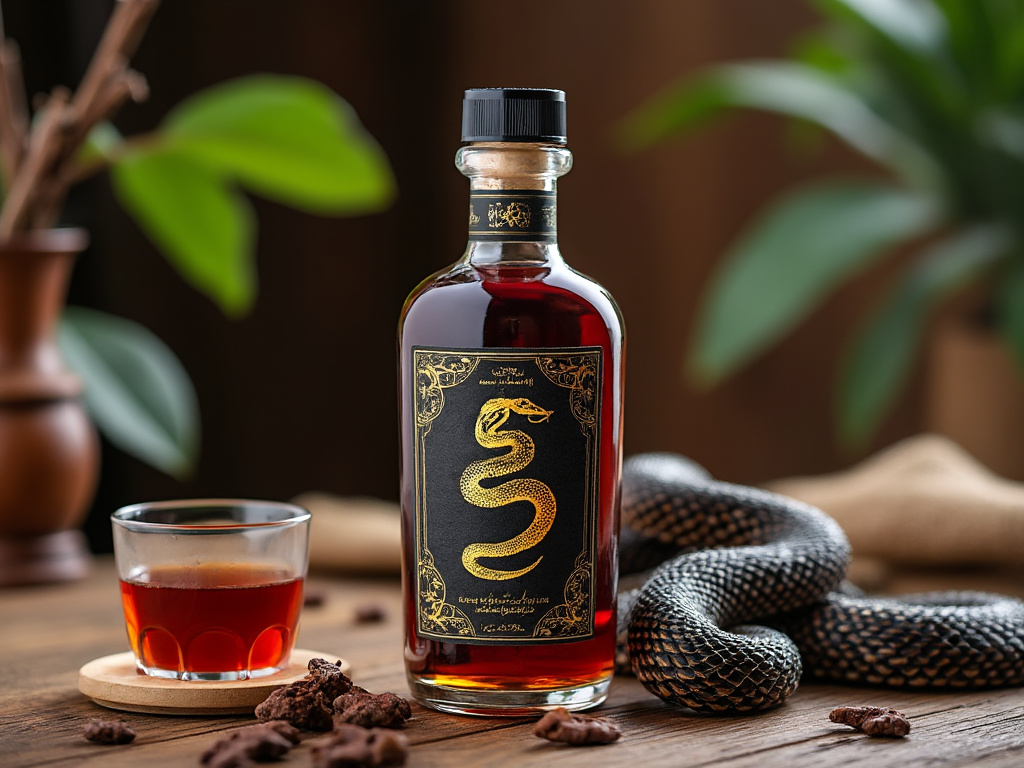
Tasting Experience and Cultural Significance:
- Flavors and Aromas: Expect an earthy, pungent, and slightly fishy flavor with a hint of alcohol and the subtle essence of snake venom. The experience is often described as more about the cultural significance and the thrill of trying something unique than the actual taste.
- Cultural Significance: Trying snake wine is an immersion into Vietnamese culture and its traditional beliefs. It is often offered as a gesture of hospitality and believed to bring good luck, health, and vitality. In some regions, it’s still used in traditional medicine to treat ailments like rheumatism, arthritis, and even impotence.
Where to Experience Snake Wine:
- Hanoi, Vietnam:
- Snake Restaurants: Hanoi boasts numerous restaurants specializing in snake dishes and snake wine. These establishments often have live snakes on display, allowing you to witness the preparation process. Be sure to choose a reputable restaurant that prioritizes ethical sourcing and humane treatment of animals.
- Lệ Mật (Snake Village): Located on the outskirts of Hanoi, Snake Village is known for its long-standing tradition of snake catching and snake wine production. You can visit snake farms, witness the extraction of venom and bile, and even sample snake wine.
- Traditional Medicine Shops: Snake wine is sometimes sold in traditional medicine shops, where it is often displayed alongside other exotic remedies. While it can be an interesting cultural experience, be cautious when purchasing from these shops and ensure the products are sourced responsibly.
Insider Tips:
- Proceed with Caution: Snake wine contains venom, which can be potent and potentially dangerous if consumed in large quantities or by individuals with certain health conditions. It’s crucial to drink responsibly and in moderation. If you have any concerns, consult a medical professional before trying snake wine.
- Respect Cultural Traditions: Snake wine is deeply ingrained in Vietnamese culture and tradition. Be mindful of local customs and beliefs when consuming or discussing this beverage.
- Choose Reputable Sources: Ensure that you purchase snake wine from reputable establishments that adhere to ethical and sustainable practices. Avoid buying from vendors who sell endangered species or engage in inhumane practices.
- Be Prepared for the Experience: Snake wine is not for the faint of heart. The visual aspect of seeing a snake preserved in the bottle can be confronting for some. Approach the experience with an open mind and a sense of adventure, but also be prepared for the unusual taste and presentation.
Conclusion:
Embarking on a journey through the world of unconventional wines is an adventure that promises to tantalize your taste buds, expand your cultural horizons, and challenge your preconceptions. Whether you’re sipping Ice Wine under the Northern Lights, savoring Orange Wine in a rustic Italian vineyard, or bravely sampling Snake Wine in a bustling Vietnamese market, each experience offers a unique glimpse into the diverse and fascinating world of winemaking. So, let your curiosity guide you, embrace the unexpected, and toast to the extraordinary flavors that await you on this unforgettable oenological odyssey.

 SummerSimo Travel Troubles Notes and The Purring Page
Leave a comment