From ancient whispers, a name takes its flight, “Italia,” a puzzle, veiled in starlight. King Italo’s legend, or a tribe’s decree, The land of the calf, or a fiery sea?
Greek echoes of “Italòi,” a southern domain, Where cattle once roamed, on a verdant plain. Or volcanic whispers, “Aithàleia’s” embrace, A land of fire, etched on time’s face.
Burnt ships and legends, a tapestry untold, Of migrants and heroes, stories of old. From southern shores, the name spread its wings, A land of beauty, where history sings.
So let’s raise a glass, to this land we adore, “Italia,” a name, forevermore. In its syllables, a legacy we find, Of passion and spirit, forever entwined.
The etymology of the name “Italy” has long been a captivating puzzle for linguists and historians, leading to a rich tapestry of theories ranging from rigorous linguistic explanations to evocative mythological narratives. One persistent myth attributes the name to a king named Italus, whose realm supposedly lent its name to the region.
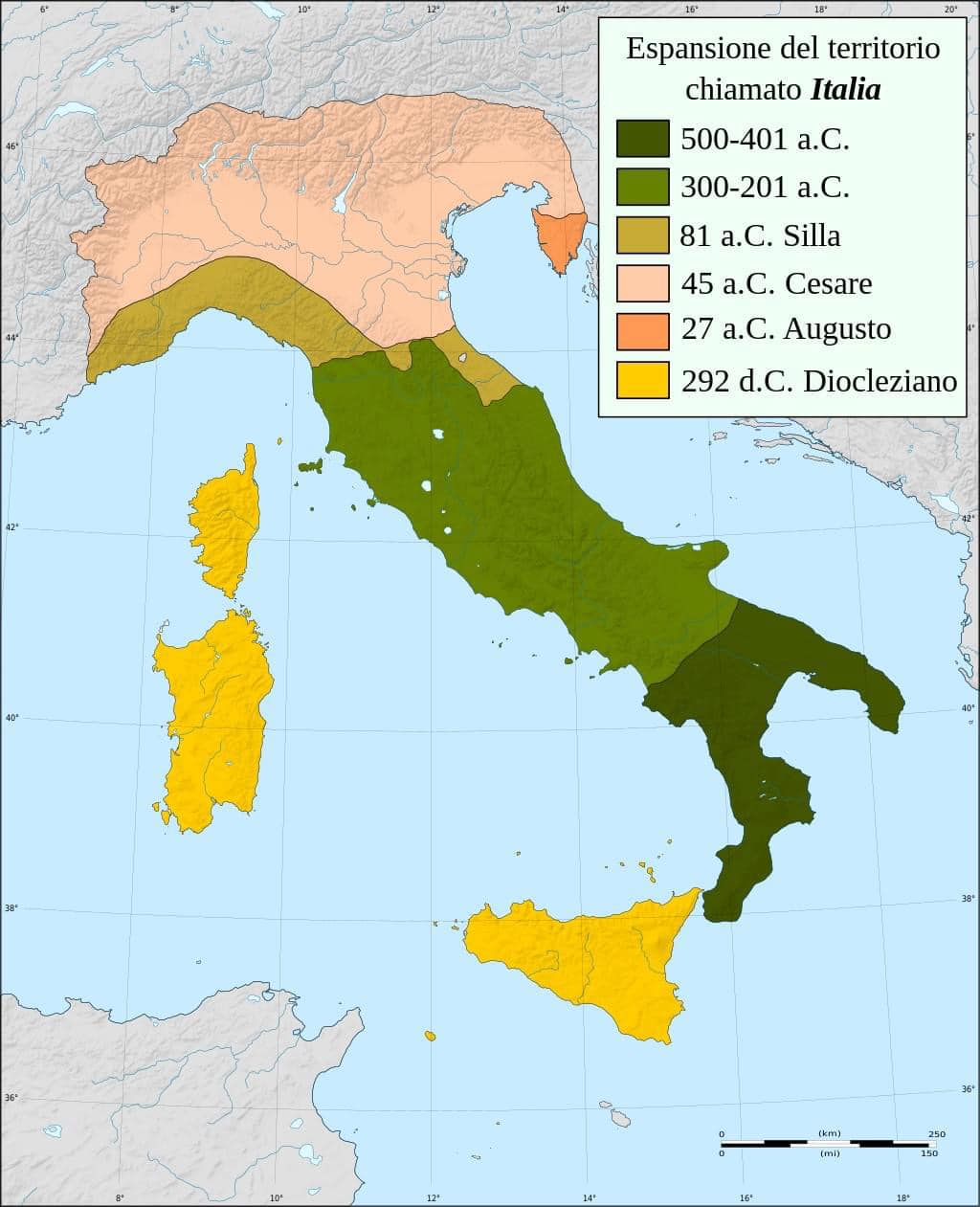
However, a widely accepted theory proposes that “Italy” stems from the term Italòi, used by the Greeks to designate a tribe inhabiting the southernmost tip of the Italian peninsula, near present-day Cirò. In ancient times, “Italy” primarily referred to the southern part of the peninsula, as evidenced by Greek colonists in Calabria who called themselves Italiotes, inhabitants of Italìa.
Another fascinating hypothesis, not contradicting the previous one, links “Italy” to the cult of the calf (Latin vitulus, Umbrian vitlu), suggesting the term meant “inhabitants of the land of calves.” This resonates with the agricultural traditions of Southern Italy, where cattle played a central role in economic and cultural life.
There’s also a theory connecting “Italy” to the Greek Aithàleia (Αιθαλεια), meaning “burning, smoky.” This term aptly describes a land marked by imposing volcanic activity, like Mount Etna and the Aeolian Islands, visible to early migrants from the Eastern Mediterranean. Strabo mentions this root in the name of the river Νέαιδος, today the Neto, translating to “burnt ships,” supporting the myth that migrant women, upon reaching the river’s mouth, prevented their men from returning to sea by burning their ships. The same root is found in the name of the volcanic island Linosa, called Aethusa in 16th-century maps.
It’s plausible that the southern coasts of Calabria, once much greener, hosted the first Podolica cattle imported from the Black Sea. The memory of these large white calves could explain the connection to the term vituli. However, the pronunciation difference in the initial vowel of vituli and Italia led some scholars to favor the derivation from Aithàleia.
What’s certain is that “Italy” initially referred only to the southernmost part of the peninsula, a land rich in legends, mythologies, and allure that has captivated those seeking to understand its origins and meaning throughout the centuries.

 SummerSimo Travel Troubles Notes and The Purring Page
Leave a comment