
In the annals of medieval history, the tales of Piers Gaveston, Hugh Despenser, and Thomas Becket serve as stark reminders of the precarious nature of royal favor. These men, once basking in the warmth of their king’s affection, ultimately met tragic ends due to the envy and resentment their privileged positions stirred within the nobility.
Thomas Becket, a close friend and confidant of King Henry II, was appointed Archbishop of Canterbury, the highest ecclesiastical position in England. Becket’s unwavering loyalty to the Church and his defense of its rights and privileges brought him into direct conflict with Henry II, who sought to assert royal control over the clergy. The ensuing power struggle between the king and the archbishop escalated, culminating in Becket’s brutal murder in Canterbury Cathedral in 1170.

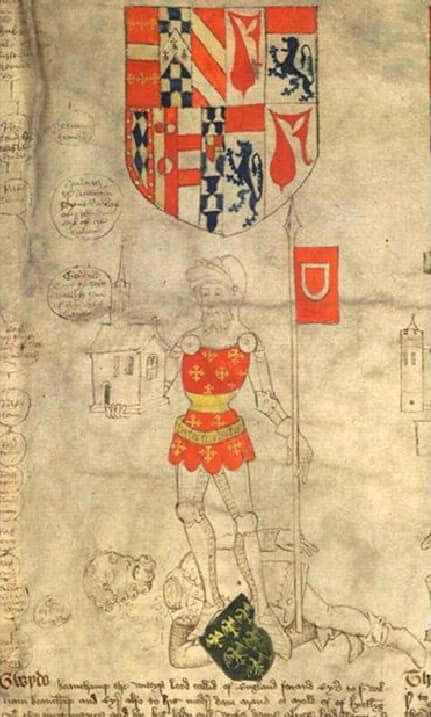
Similarly, Piers Gaveston and Hugh Despenser, favorites of King Edward II, enjoyed immense power and wealth due to the king’s affection. Their arrogance and disregard for the established nobility fueled resentment and ultimately led to their downfall. Gaveston was captured and executed by rebellious barons in 1312, while Despenser met a similar fate in 1326.
These tragic stories highlight the inherent dangers of being a royal favorite in a politically turbulent era. While the king’s patronage could bestow immense power and prestige, it also made one a target for those who felt threatened or marginalized by the favorite’s influence. The king’s ability to protect his favorites was often limited, as he had to balance their interests with those of the powerful nobility.
The cases of Becket, Gaveston, and Despenser serve as cautionary tales, reminding us that even the most exalted positions can be precarious. The fickle nature of royal favor, coupled with the ever-present threat of political intrigue and violence, made medieval courts treacherous places where loyalty and ambition often clashed with deadly consequences.In the context of Medieval history, a figure who suffered a similar fate after being favored by a king is Thomas Becket, Archbishop of Canterbury during the reign of King Henry II of England.
Similarities between the cases:
- Royal Favor: Both Becket and Gaveston/Despenser enjoyed the close friendship and patronage of their respective kings.
- Rise to Power: This favoritism led to their rapid rise to positions of power and influence, which aroused the jealousy and resentment of the nobility.
- Conflict with the Nobility: The king’s favorites clashed with the established aristocracy, leading to political tensions and power struggles.
- Tragic End: Ultimately, the king’s inability or unwillingness to protect his favorites from their enemies led to their violent deaths. Becket was murdered in Canterbury Cathedral by knights loyal to Henry II, while Gaveston and Despenser were executed by rebellious barons.
While the specific circumstances surrounding their deaths differ, the underlying theme of the dangers associated with being a royal favorite in a politically volatile era remains the same.

 SummerSimo Travel Troubles Notes and The Purring Page
Leave a comment