
In 410 AD, a seismic shift occurred in the annals of Western history. The Visigoths, a Germanic people led by their king Alaric I, breached the walls of Rome and subjected the once-mighty imperial capital to three days of plunder. This event, known as the Sack of Rome, marked a turning point in the decline of the Western Roman Empire and the rise of the so-called “barbarian” kingdoms.
Prelude to Disaster:
The Visigoths had been a thorn in the side of the Roman Empire for decades. Originally federates of Rome, they had grown increasingly disgruntled with their treatment and sought better lands and opportunities. Alaric, a charismatic and ambitious leader, led his people on a campaign through the Balkans and Italy, clashing repeatedly with Roman forces.
After several failed attempts to negotiate a peaceful settlement, Alaric’s patience wore thin. In 410, he marched on Rome, intent on seizing the city that symbolized the heart of the empire.
The Fall of the Eternal City:
On August 24, 410, the Visigoths entered Rome, likely through treachery from within. For three days, they pillaged the city, looting its treasures and desecrating its monuments. However, contrary to popular belief, the sack was not a wholesale massacre. While many Romans were enslaved or killed, most of the population survived, and many buildings, especially churches, were spared.
The Aftermath and Legacy:
The sack of Rome sent shockwaves throughout the civilized world. For centuries, Rome had been seen as invincible, the eternal city that had stood the test of time. Its fall to a foreign enemy shattered this illusion and dealt a devastating blow to Roman prestige.
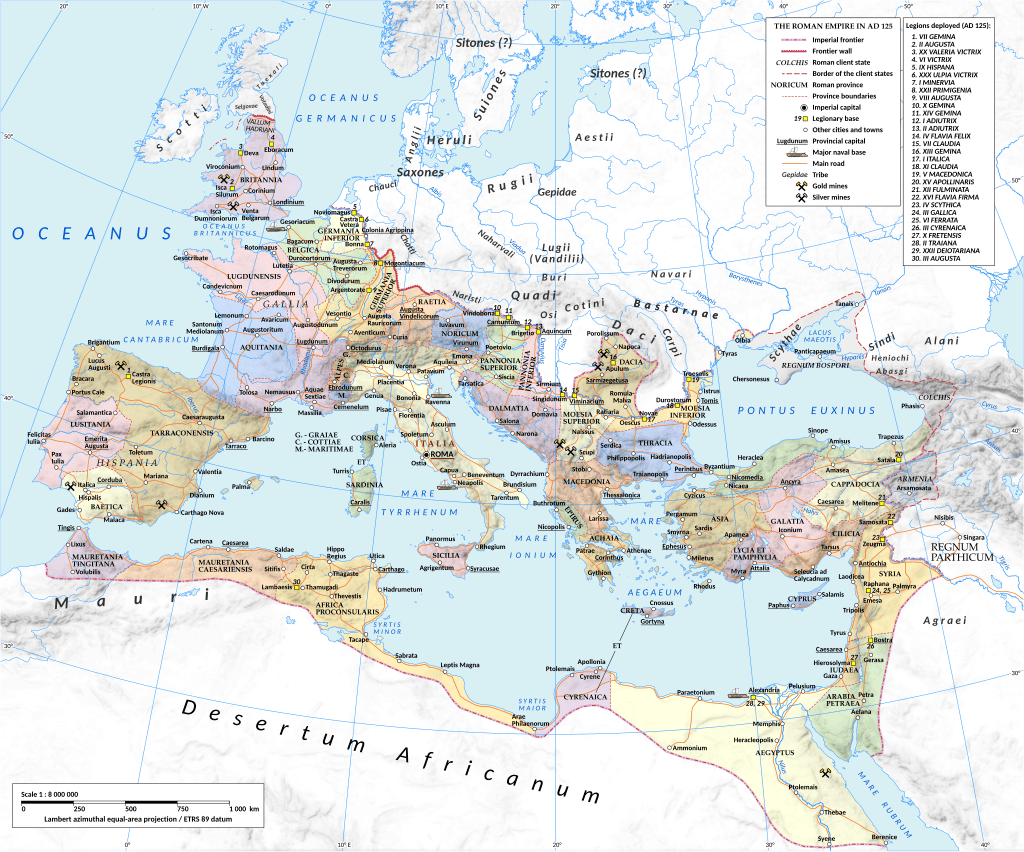
Although Rome would continue to exist for several more decades, the sack of 410 marked a turning point. The Western Roman Empire, already weakened by internal strife and economic decline, was now irrevocably on the path to collapse. The Visigoths and other Germanic peoples would carve out their own kingdoms on Roman soil, ushering in a new era in European history.
A Symbol of Decline:
The Sack of Rome has since become a potent symbol of the decline and fall of empires. It serves as a reminder of the impermanence of power and the ever-present threat of external forces. Yet, it also highlights the resilience of human civilization and the ability to adapt and rebuild in the face of adversity.
Further Exploration:
For a deeper understanding of this pivotal event, you can explore the following resources:
- Sack of Rome (410) – Wikipedia: https://en.wikipedia.org/wiki/Sack_of_Rome_(410
- Sack of Rome | Summary – Britannica: https://www.britannica.com/event/Sack-of-Rome-410
- Sack of Rome – National Geographic Education: https://education.nationalgeographic.org/resource/sack-rome
- Alaric | Barbarian King, Visigoth Leader – Britannica: https://www.britannica.com/biography/Alaric
By delving into these sources, you can gain a more nuanced understanding of the complex historical context, the events leading up to the sack, and the far-reaching consequences for the Roman Empire and Western civilization as a whole.

 SummerSimo Travel Troubles Notes and The Purring Page
Leave a comment