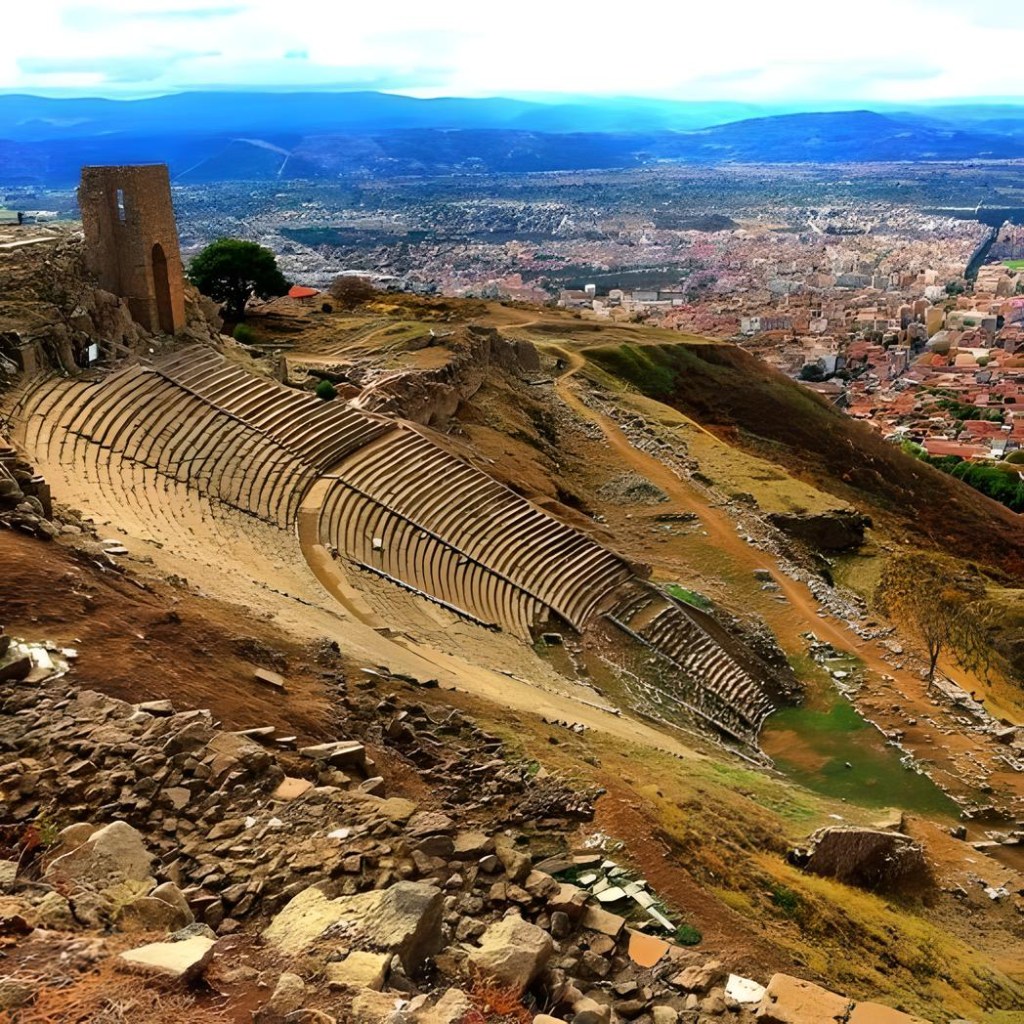
Carved into the steep slopes of the Acropolis of Pergamon, the ancient theater is a breathtaking sight. Built in the 3rd century BC during the Hellenistic period, this architectural marvel is one of the steepest theaters in the ancient world, boasting a seating capacity of approximately 10,000 spectators (not 11,000).
A Hub of Cultural and Political Life
The theater served as a central hub for the city’s political, religious, and social activities. It hosted a wide range of events, from theatrical performances and musical concerts to political assemblies and religious ceremonies.
Engineering and Design:
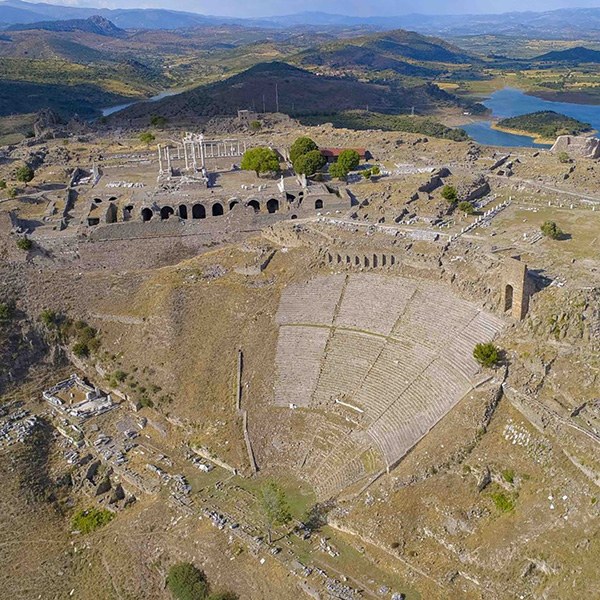
The theater’s design is a testament to the advanced engineering skills of the Hellenistic period. Its steep incline allowed for optimal acoustics and ensured that all spectators had an unobstructed view of the stage. The theater’s cavea (seating area) is divided into three sections by two diazomata (walkways), and the orchestra (performance area) is a semicircular space in front of the stage.
A Strategic Location:
The theater’s location on the Acropolis of Pergamon offered breathtaking panoramic views of the surrounding landscape, adding to the grandeur of the events held there. The strategic placement also served a defensive purpose, as the steep slopes made it difficult for attackers to approach.
A Popular Tourist Attraction:
Today, the Theater of Pergamon remains a popular tourist attraction, drawing visitors from around the world who are fascinated by its history, architecture, and stunning views. The well-preserved ruins offer a glimpse into the vibrant cultural life of ancient Pergamon and the remarkable engineering feats of its builders.
Visiting the Theater of Pergamon:
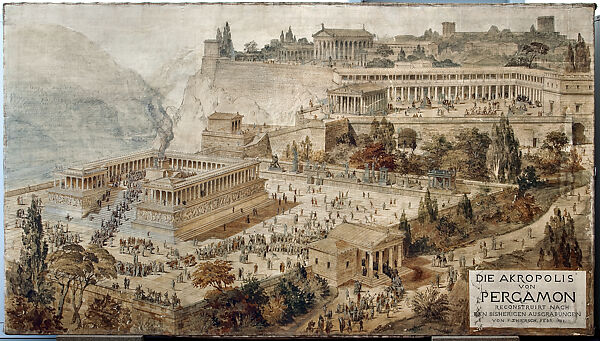
The theater is part of the larger archaeological site of Pergamon, which is a UNESCO World Heritage Site. Visitors can explore the theater and other ancient ruins, such as the Temple of Athena, the Library of Pergamon, and the Sanctuary of Asclepius.
Additional Information:
- Location: Bergama, İzmir Province, Turkey
- Official Website: The official website of the Pergamon Acropolis provides detailed information on visiting the site, including opening hours, ticket prices, and guided tour options.
Embark on a journey to the ancient city of Pergamon and immerse yourself in the rich history and culture of this remarkable site. The Theater of Pergamon is a must-see for anyone interested in ancient architecture, engineering, and the enduring legacy of the Hellenistic world.
he Theater of Pergamon: A Hellenistic Marvel in Modern Turkey
Official Website: https://whc.unesco.org/en/list/1457/
History & Facts:
- 3rd Century BC Construction: The Theater of Pergamon was built in the 3rd century BC during the Hellenistic period, a time of significant cultural and artistic flourishing.
- Steepest of the Ancients: This impressive theater is renowned for being one of the steepest theaters ever built in the ancient world.
- Capacity: It could accommodate a massive audience of 10,000 spectators, highlighting its importance as a cultural and social hub.
- Multi-Purpose Venue: The theater hosted a wide range of events, including theatrical performances, musical concerts, political assemblies, and religious ceremonies.
- Architectural Marvel: Its design showcases advanced engineering techniques of the time, with its steep incline providing excellent acoustics and unobstructed views for all spectators.
Lesser-Known Facts:
- Healing Sanctuary: The theater was part of the Asclepion, a renowned healing sanctuary dedicated to the god Asclepius.
- Roman Renovations: The theater underwent significant renovations during the Roman period, further enhancing its grandeur and functionality.
- Early Christian Use: In later centuries, the theater was repurposed for Christian gatherings and ceremonies.
- Excavation and Restoration: Extensive archaeological excavations and restoration efforts have been undertaken to preserve and showcase this remarkable monument.
Travel Tips:
- Getting There: The theater is located in Bergama, a town in western Turkey. It’s easily accessible by bus or car from major cities like Izmir.
- Guided Tours: Consider taking a guided tour to learn about the theater’s rich history and architectural details.
- Best Time to Visit: Spring and autumn offer pleasant weather for exploring the site. Summers can be hot, so plan accordingly.
- Photography: Capture the theater’s grandeur and the panoramic views from its elevated position.
Where to Stay:
- Bergama: The town of Bergama offers a variety of accommodation options, from budget-friendly guesthouses to comfortable hotels.
- Nearby Villages: For a more tranquil experience, consider staying in one of the charming villages surrounding Bergama.
Additional Tips:
- Wear Comfortable Shoes: The archaeological site requires a fair amount of walking, so comfortable footwear is essential.
- Sun Protection: Be sure to wear sunscreen, a hat, and sunglasses, especially during the summer months.
- Combine with Other Attractions: Pergamon offers other historical sites worth exploring, such as the Acropolis, the Red Basilica, and the Asclepion.
The Theater of Pergamon is a testament to the ingenuity and cultural richness of the Hellenistic world. By visiting this magnificent site, you can step back in time and experience the grandeur of ancient theater and the breathtaking views that captivated audiences over two millennia ago.

 SummerSimo Travel Troubles Notes and The Purring Page
Leave a comment