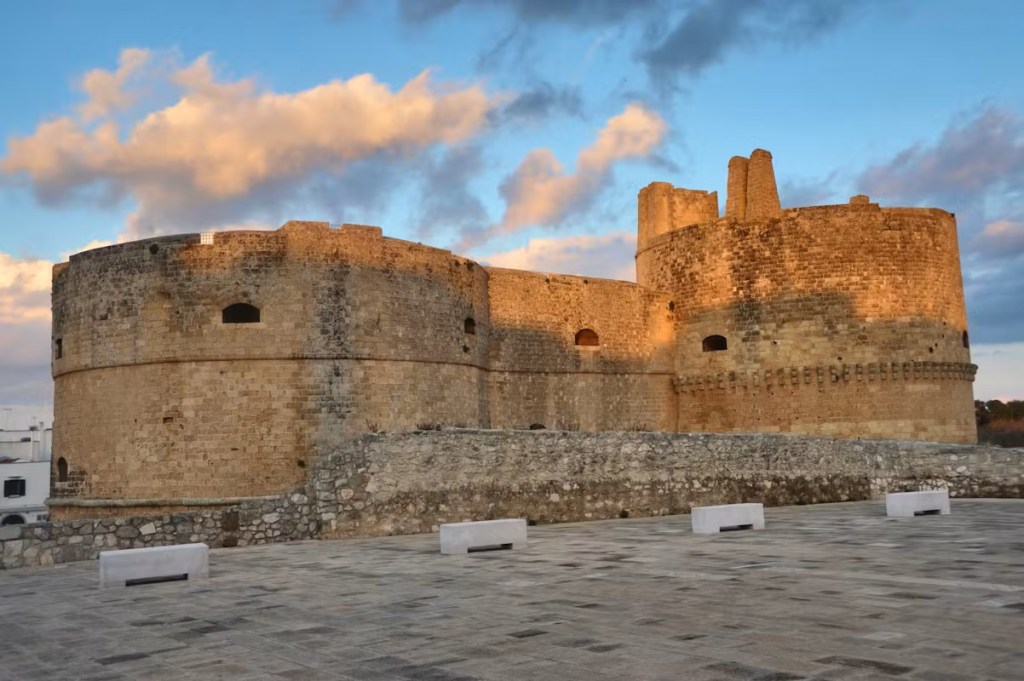
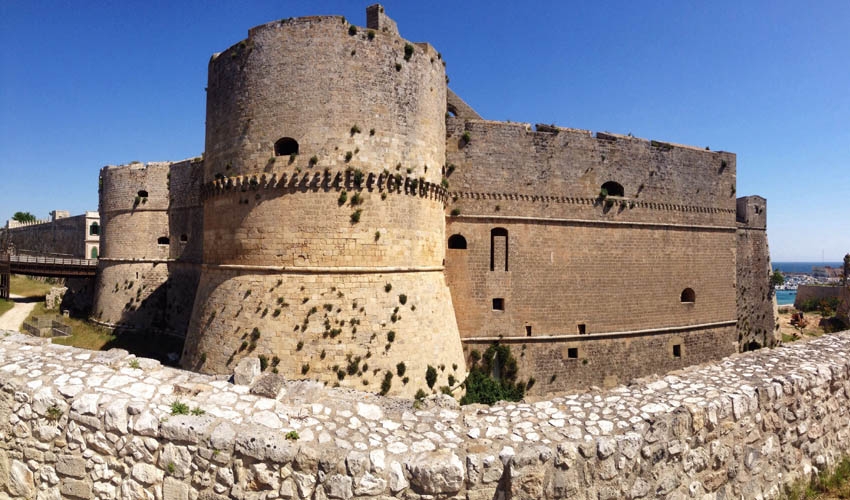
Our journey among Italian castles takes us this time to Puglia, to Otranto, where stands an ancient fortress that has inspired an entire literary genre: the Castle of Otranto. This majestic structure, overlooking the Adriatic Sea, is not only an architectural and historical gem, but also a place steeped in mystery and legend, which has fascinated writers, artists and travelers of all ages.
A Bastion of History and Architecture
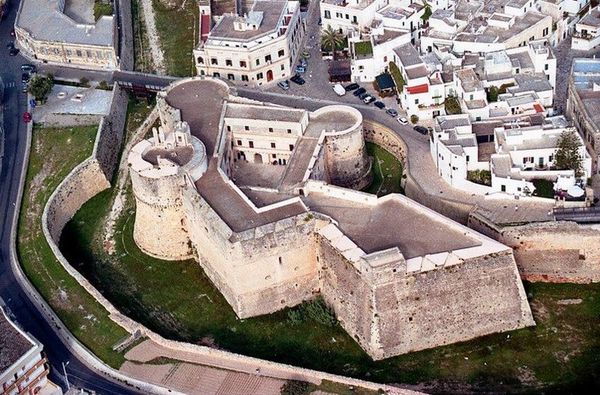
Otranto Castle, built in the 12th century by the Normans, is a tangible testimony to the historical stratification that characterizes Salento. Its imposing and austere structure was expanded and modified over the centuries under the rule of the Swabians, Angevins and Aragons. Its mighty walls, ramparts, moats and towers tell stories of sieges, battles and court intrigues.
Inside the castle, striking rooms can be admired, such as the Triangular Hall, the Hall of Doves, and the Chapel, decorated with frescoes from the Byzantine era. The castle is also home to the National Archaeological Museum of Otranto, which houses artifacts from the city and the surrounding area, evidence of a thousand-year history rooted in Messapian and Roman times.
Otranto Castle and the Birth of the Gothic Novel
But Otranto Castle is most famous for inspiring the first Gothic novel in history, “The Castle of Otranto,” written by Horace Walpole in 1764. The author, fascinated by the castle’s history and mysterious atmosphere, set his work within its walls, giving birth to a new literary genre that would deeply influence European culture.
Walpole’s novel, full of supernatural elements, dark atmospheres and tormented characters, paved the way for a long series of Gothic works, from Bram Stoker’s “Dracula” to Mary Shelley’s “Frankenstein.” Otranto Castle has thus become a symbol of the Gothic, a place where reality mixes with fantasy, and where the past resurfaces with all its emotional charge.
Otranto: A City to Discover
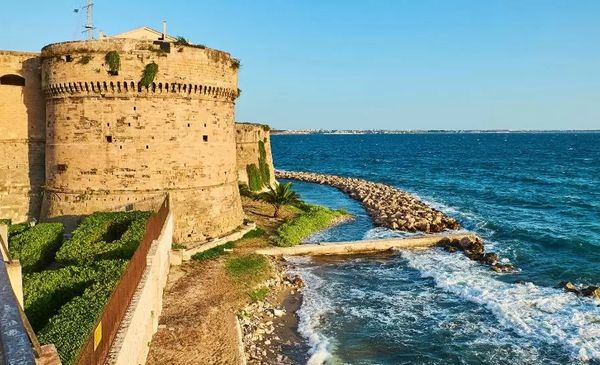
Otranto, besides its famous castle, is a city rich in charm and history. Its historic center, a maze of alleys and small squares, holds architectural treasures such as the Cathedral of the Annunziata, with its magnificent floor mosaic, and the Church of St. Peter, a jewel of Byzantine art.
Don’t miss the opportunity to stroll along the defensive walls, admire the breathtaking view of the sea, and discover the many craft stores and typical restaurants that enliven the historic center.
Tips for Visiting Otranto Castle
- Opening Hours: The castle is open every day except Mondays. Hours may vary depending on the season, so it is advisable to consult the castle’s official website or the Otranto tourist office.
- Tickets: The entrance fee is a few euros, and there are reductions for children, students and the over-65s.
- Guided tours: Guided tours are available in Italian and English, allowing you to discover all the secrets and curiosities of the castle.
- Events: The castle often hosts cultural events, exhibitions and concerts. Check the calendar of events on the castle’s official website.

Where to Stay.
Otranto offers a wide choice of accommodations, from luxury hotels to cozy B&Bs and family apartments. Here are some recommended options:
- Hotel Palazzo Papaleo: An elegant hotel located in the heart of the historic center, just a short walk from the castle.
- Masseria Montelauro: An ancient masseria nestled in the Salento countryside, just a few kilometers from Otranto.
- La Dimora delle Fate Luxury & SPA: A charming hotel with wellness center, ideal for a relaxing stay.
Where to Eat
Salento cuisine is rich in flavors and fragrances, and Otranto offers numerous restaurants where you can enjoy typical dishes based on fresh fish, seasonal vegetables and homemade pasta. Here are some addresses not to be missed:
- L’Altro Baffo: A seafood restaurant renowned for the quality of its dishes and sea views.
- La Bella Idrusa: A typical osteria offering traditional Salento dishes in a cozy setting.
- Peccato Divino: A gourmet restaurant that reinterprets local cuisine with a modern twist.
Otranto Castle is more than just a tourist attraction. It is a place that tells stories of bygone eras, a symbol of resistance and rebirth, and an icon of Gothic literature. A place that deserves to be discovered and experienced in all its magic.

 SummerSimo Travel Troubles Notes and The Purring Page
Leave a comment