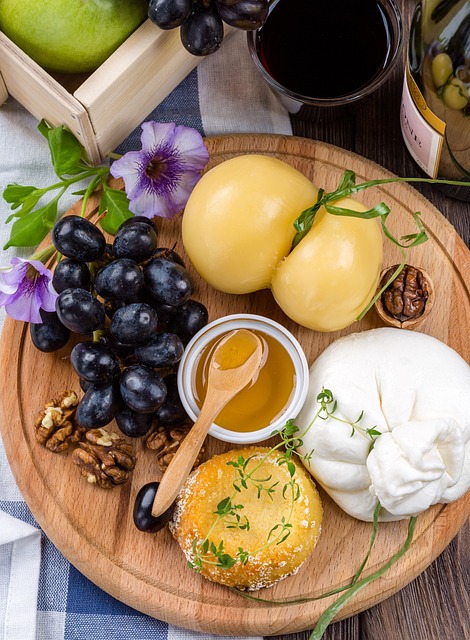
We are a world of vibrant flavors, wholesome ingredients, and a lifestyle that celebrates the joy of eating for health and longevity. The Mediterranean diet is not just a diet; it is a culinary and cultural experience that nourishes both body and soul. It is inspired by the traditional eating patterns of countries bordering the Mediterranean Sea. The Mediterranean diet has numerous health benefits and emphasizes fresh, seasonal produce. It is a sustainable and enjoyable way to achieve optimal well-being.

The Mediterranean Diet is a harmonious blend of flavors and health benefits.
Mediterranean diets are a tapestry woven with an abundance of fruits, vegetables, whole grains, legumes, nuts, seeds, and olive oil. It focuses on fish and seafood, moderate amounts of poultry and dairy, and limited amounts of red meat and sweets. This balanced blend of ingredients not only tantalizes the taste buds, but also provides a wealth of nutrients essential for overall health.

The Mediterranean diet consists of the following components:
Fruit, vegetables, whole grains, legumes, nuts, and seeds are the foundation of the Mediterranean diet. These nutrient-rich foods are abundant in vitamins, minerals, fiber, and antioxidants, all of which play a pivotal role in the prevention and longevity of diseases.
Olive oil, the foundation of the Mediterranean diet, is a rich source of monounsaturated fats, which have been linked to heart health, reduced inflammation, and improved brain function. Furthermore, nuts, seeds, and fatty fish, like salmon, provide omega-3 fatty acids, which are essential for brain health, heart health, and overall well-being.
Fish and seafood are the primary protein sources in the Mediterranean diet, providing a wealth of heart-healthy omega-3 fatty acids and lean protein. The consumption of poultry and eggs is recommended in moderation, while red meat is restricted to occasional indulgences.
Dairy products like yogurt and cheese can be enjoyed in moderation, providing calcium and protein. Nevertheless, it is imperative to select dairy products of superior quality that are minimally processed, such as Greek yogurt and feta cheese.
The Mediterranean diet embraces the vibrant flavors of herbs and spices, such as oregano, basil, rosemary, thyme, garlic, and saffron, as opposed to relying on salt and processed seasonings. These natural flavor enhancers not only provide depth and complexity to dishes, but also offer potential health benefits, such as antioxidant and anti-inflammatory properties.
The Mediterranean diet emphasizes the moderation of consumption of red wine, particularly with meals. Red wine contains antioxidants, such as resveratrol, which have been associated with heart health benefits. It is, however, essential to consume alcohol in moderation and consult with your doctor if you have any concerns.
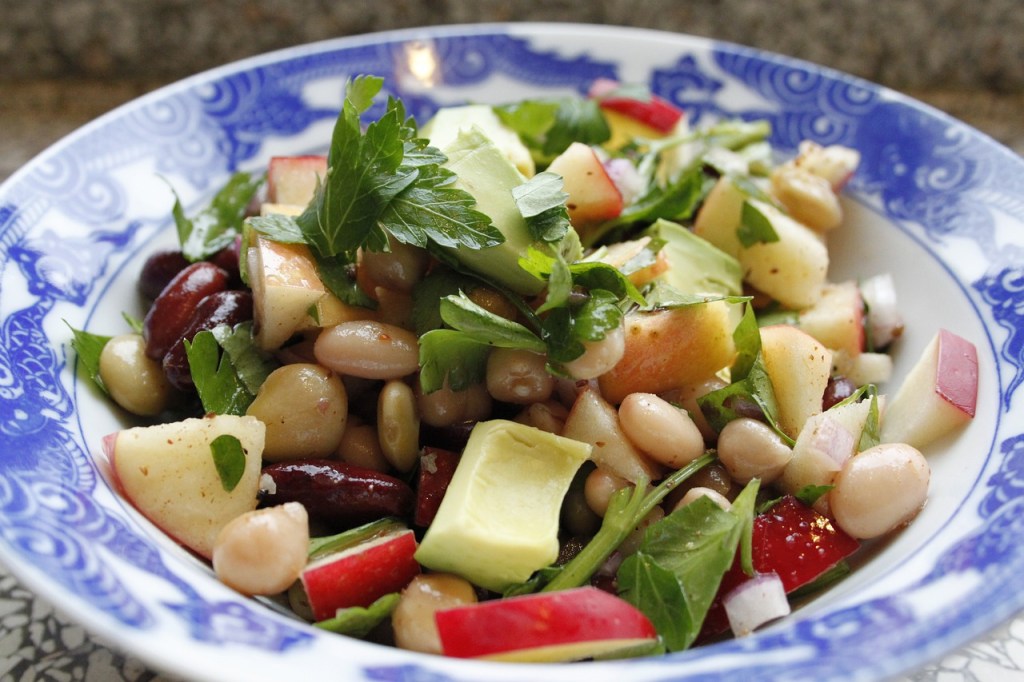
The Health Advantages of the Mediterranean Diet:
The Mediterranean diet has been demonstrated to reduce the likelihood of heart disease, stroke, and heart attacks. The abundance of healthy fats, fiber, and antioxidants helps lower cholesterol, improve blood pressure, and reduce inflammation.
Omega-3 fatty acids and antioxidants have been linked to improved cognitive function and memory, as well as a reduced risk of Alzheimer’s disease and dementia.
The Mediterranean diet’s emphasis on whole, unprocessed foods, healthy fats, and portion control can aid in weight management and mitigate the risk of obesity.
Diabetes Prevention: The diet’s low glycemic index and high fiber content aid in regulating blood sugar levels, thereby reducing the likelihood of type 2 diabetes.
The abundance of antioxidants present in fruits, vegetables, and olive oil has the potential to safeguard against certain types of cancer.
Studies have found that adherence to the Mediterranean diet is associated with increased longevity and a reduced risk of all-cause mortality.

The following is your 7-day Mediterranean Diet Meal Plan:
This sample meal plan provides a glimpse into the delectable and nutritious prospects of the Mediterranean diet. Please feel free to modify it according to your personal preferences and dietary requirements.
Day one of the course is:
- Breakfast includes Greek yogurt with berries, nuts, and a drizzle of honey.
- Lunch consists of lentil soup with whole-wheat bread and a side salad.
- Dinner includes baked salmon with roasted vegetables and quinoa.

Day Two:
- Breakfast consists of oatmeal with sliced fruit, almonds, and a sprinkle of cinnamon.
- Lunch consists of a tuna salad sandwich served with whole-wheat bread and a side of fruit.
- Dinner consisted of chicken breast served with a lemon-herb sauce, brown rice, and steamed broccoli.
Day Three:
- Breakfast is a scrambled egg with spinach, feta cheese, and whole-wheat toast.
- Lunch: Leftover chicken breast served with a mixed green salad.
- Dinner is a lentil stew with vegetables and a dollop of plain yogurt.

Day Four:
- Breakfast: A smoothie made with strawberries, spinach, banana, and almond milk.
- Lunch will consist of hummus with whole-wheat pita bread and vegetables.
- Dinner includes grilled shrimp skewers with a Mediterranean salad and couscous.
Day Five:
- Breakfast consisting of whole-wheat toast topped with avocado, tomato, and a dash of salt and pepper.
- Lunch will be a chickpea salad sandwich on whole-wheat bread.
- Dinner is a baked cod with roasted vegetables and brown rice.

Day Six:
- Breakfast includes a yogurt parfait with granola, fruit, and a drizzle of honey.
- For lunch, we served leftover baked cod with a side salad.
- Dinner: Turkey meatballs with marinara sauce, whole-wheat pasta, and a side of green beans.
Day Seven:
- Breakfast: Omelette with vegetables and a side of fruit.
Lunch: Salad with grilled chicken or fish.
Dinner: Vegetable frittata with a side of whole-wheat bread.
Tips and Tricks for Embracing the Mediterranean Lifestyle: - Cook at home: Prepare most of your meals at home using fresh, seasonal ingredients.
Shop at farmers markets: Explore local farmers markets to find the freshest produce and support local farmers.
Use olive oil generously: Drizzle olive oil on salads, vegetables, and whole-wheat bread.
Eat seafood twice a week: Include fatty fish like salmon, tuna, and mackerel for their omega-3 benefits.
Limit red meat: Enjoy red meat occasionally and opt for lean cuts.
Snack on nuts and seeds: Keep a supply of nuts and seeds on hand for healthy snacking.
Drink plenty of water: Stay hydrated by drinking plenty of water throughout the day.
Enjoy meals with loved ones: Make mealtime a social event and enjoy the company of family and friends.
Be mindful of portion sizes: Pay attention to your hunger and fullness cues, and avoid overeating.
Indulge occasionally: Allow yourself occasional treats in moderation.
Recipe Resources:

The Mediterranean Dish: This website offers a wealth of delicious and authentic Mediterranean recipes. https://www.themediterraneandish.com/
EatingWell: This website features a variety of healthy recipes, including many Mediterranean-inspired dishes. https://www.eatingwell.com/
Oldways: This non-profit organization promotes traditional diets, including the Mediterranean diet, and offers a variety of resources and recipes. https://oldwayspt.org/
Jamie Oliver: This celebrity chef has a collection of Mediterranean recipes on his website. https://www.jamieoliver.com/
Top Ingredients of the Mediterranean Diet:
Olive oil: A staple of the Mediterranean diet, olive oil is a rich source of monounsaturated fats and antioxidants.
Vegetables: A colorful variety of vegetables, such as tomatoes, cucumbers, peppers, eggplant, and leafy greens, provide essential vitamins, minerals, and fiber.
Fruits: Enjoy a variety of fresh fruits, such as berries, grapes, figs, and citrus fruits, for their sweetness, vitamins, and antioxidants.
Whole grains: Whole grains, like brown rice, quinoa, and whole-wheat bread, provide fiber, which is essential for digestive health and blood sugar control.
Legumes: Lentils, chickpeas, beans, and other legumes are excellent sources of protein, fiber, and iron.
Nuts and seeds: Almonds, walnuts, pistachios, and other nuts and seeds are packed with healthy fats, protein, and fiber.
Fish and seafood: Fatty fish, like salmon, tuna, and mackerel, are rich in omega-3 fatty acids, which are essential for heart and brain health.
Herbs and spices: Oregano, basil, rosemary, thyme, garlic, and other herbs and spices add flavor and complexity to dishes, while also offering potential health benefits.
Yogurt and cheese: Enjoy yogurt and cheese in moderation, choosing high-quality, minimally processed varieties.
The Mediterranean diet is more than just a way of eating; it’s a lifestyle that celebrates the simple joys of food, family, and community. By embracing the Mediterranean diet, you’re not only nourishing your body but also enriching your life with flavor, culture, and a deeper connection to the world around you.
Sources info:
nutrimeals.ca/blogs/news/discovering-the-mediterranean-lifestyle-a-nourishing-path-to-health-and-well-being

 SummerSimo Travel Troubles Notes and The Purring Page
Leave a comment