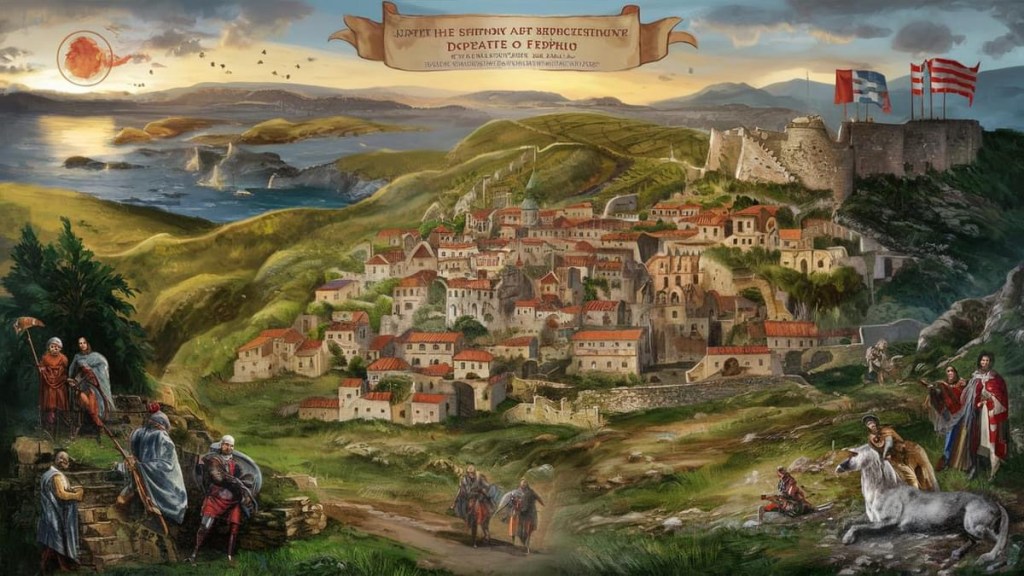
The Despotate of Epirus emerged as a prominent successor state of the Byzantine Empire following the fragmentation caused by the Fourth Crusade’s sack of Constantinople in 1204 CE. Initially, it stood out as the most successful among these states, nearly reclaiming Constantinople itself. However, by 1230 CE, its territorial extent was reduced primarily to Epirus, occasionally extending into neighboring regions such as Thessaly and the Ionian islands. Over the subsequent two centuries, the Despotate of Epirus maintained a precarious independence amidst the overlapping influences of the Byzantine remnants and various Italian powers.
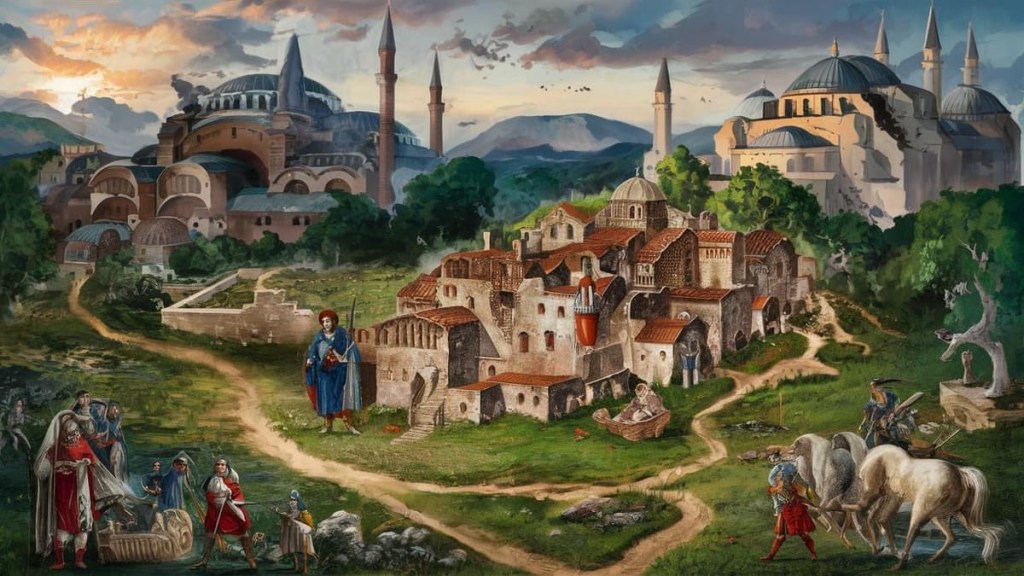
Despite its diminished size, Epirus endured as a distinctive political entity, navigating a complex geopolitical landscape. It faced challenges from both Byzantine factions and Italian city-states, often leveraging alliances to sustain its autonomy. Nevertheless, in 1479 CE, the last vestiges of the Despotate of Epirus succumbed to the expanding Ottoman Empire, marking the end of its long struggle for independence and integrating it into the Ottoman realm.


 SummerSimo Travel Troubles Notes and The Purring Page
Leave a comment