
The vast expanse of the night sky, adorned with a celestial tapestry of twinkling stars, has captivated humanity for eons. It is a canvas upon which our dreams, hopes, and fears have been projected, a realm where we seek answers to life’s most profound questions. From ancient astronomers to modern stargazers, the allure of the night sky remains undiminished, reminding us of our place in the cosmos and the interconnectedness of all things.
The Celestial Clock: Timekeeping Under the Stars
Long before the invention of clocks and calendars, humans relied on the celestial bodies to mark the passage of time. The sun’s daily journey across the sky dictated the rhythm of our lives, while the moon’s phases guided agricultural cycles and religious rituals. The stars, with their seemingly fixed positions, served as navigational beacons for sailors and explorers, helping them traverse vast oceans and uncharted territories.
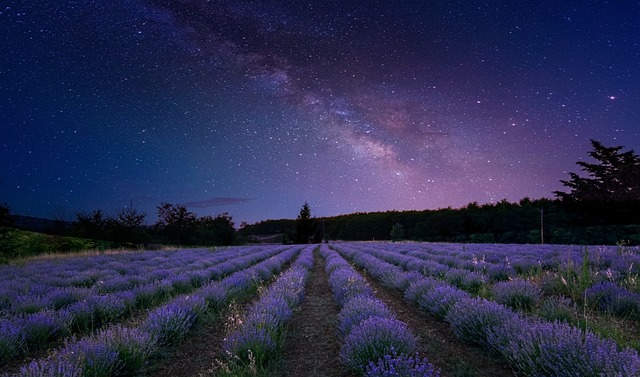
In many cultures, the night sky was seen as a divine creation, a reflection of the gods’ will and power. Ancient Egyptians believed that the Milky Way was a celestial river flowing through the heavens, while the Greeks saw constellations as mythological figures frozen in time. The Mayans developed a sophisticated calendar based on the movements of the stars and planets, predicting eclipses and other celestial events with remarkable accuracy.
Even today, the night sky continues to influence our lives in subtle ways. The circadian rhythms that regulate our sleep-wake cycles are synchronized with the Earth’s rotation and the changing light levels. The full moon has been linked to various phenomena, from increased crime rates to heightened creativity. And for those who live far from the city lights, the night sky remains a source of wonder and inspiration.
The Stargazer’s Guide: Navigating the Night Sky
For the uninitiated, the night sky can seem like a chaotic jumble of stars. However, with a little guidance, it is possible to decipher the patterns and constellations that have fascinated humanity for centuries.
- Start with the basics: Familiarize yourself with the cardinal directions (north, south, east, west) and the celestial equator, an imaginary line that divides the sky into northern and southern hemispheres.
- Learn the constellations: Constellations are groups of stars that form recognizable patterns. Start with the most prominent constellations, such as Orion, Ursa Major (the Big Dipper), and Cassiopeia.
- Use a star chart or app: A star chart or astronomy app can help you identify constellations and other celestial objects. Many apps also provide information about the mythology and history associated with each constellation.
- Find a dark sky location: Light pollution from cities can obscure the stars, so find a location away from urban areas for the best viewing experience.
- Be patient and observant: The night sky is constantly changing, so take your time and enjoy the journey.
The Art of Astrophotography: Capturing the Cosmos
Astrophotography, the art of photographing celestial objects, allows us to capture the beauty and majesty of the night sky in stunning detail. From breathtaking images of distant galaxies to time-lapse videos of the Milky Way, astrophotography opens a window into the cosmos that is both awe-inspiring and humbling.
While astrophotography can be a technically challenging pursuit, it is also incredibly rewarding. With the right equipment and techniques, even amateur photographers can capture stunning images of the night sky.
- Essential equipment: A DSLR or mirrorless camera with manual controls, a wide-angle lens with a fast aperture, a sturdy tripod, and a remote shutter release are essential for astrophotography.
- Camera settings: Use a high ISO setting, a long exposure time, and manual focus to capture faint stars and nebulae.
- Post-processing: Software like Adobe Photoshop or Lightroom can be used to enhance and refine your astrophotography images.
The Magic of Meteor Showers: Nature’s Fireworks Display
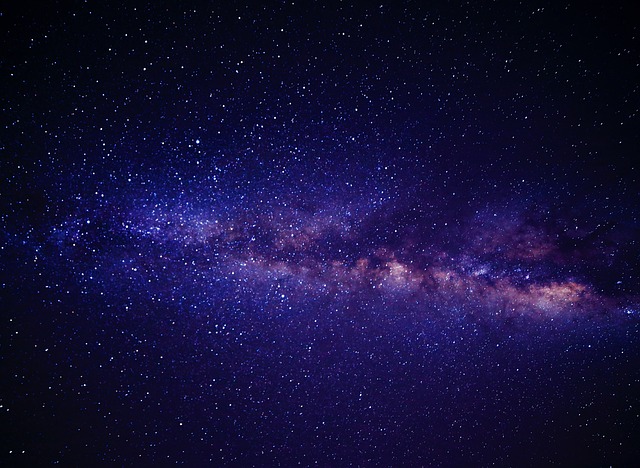
Meteor showers are one of the most spectacular events in the night sky. These celestial displays occur when the Earth passes through a stream of debris left behind by a comet or asteroid. As these tiny particles enter the Earth’s atmosphere, they burn up, creating streaks of light that we see as meteors or “shooting stars.”
Some of the most famous meteor showers include the Perseids (August), the Leonids (November), and the Geminids (December). These showers can produce dozens or even hundreds of meteors per hour, making for a truly unforgettable experience.
The Romance of Stargazing: A Timeless Tradition
Stargazing has long been associated with romance and wonder. From couples sharing a blanket under the stars to poets and philosophers contemplating the mysteries of the universe, the night sky has inspired countless works of art, literature, and music.
In today’s fast-paced world, stargazing offers a welcome respite from the hustle and bustle of daily life. It allows us to slow down, reconnect with nature, and appreciate the beauty and vastness of the cosmos.
Tips for Romantic Stargazing:
- Choose a secluded location: Find a spot away from city lights and other distractions.
- Bring a blanket and comfortable chairs: Make sure you’re comfortable for a long night of stargazing.
- Pack a picnic or snacks: Enjoy a romantic meal or snacks under the stars.
- Dress warmly: Even on summer nights, temperatures can drop quickly, so dress in layers.
- Bring a star chart or app: Learn about the constellations and other celestial objects you can see.
- Turn off your phone: Disconnect from technology and immerse yourself in the moment.
The Spiritual Significance of the Night Sky
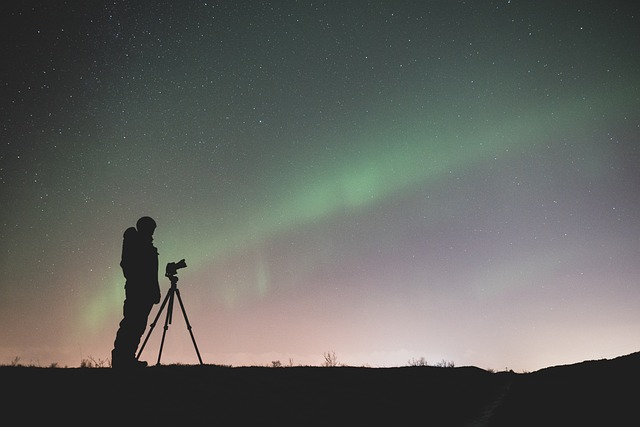
For many people, the night sky holds deep spiritual significance. It is a place where we can connect with the divine, contemplate the mysteries of life, and find solace in the vastness of the universe.
In many religions, the stars and planets are seen as symbols of the divine. The ancient Egyptians believed that the sun god Ra traveled across the sky in a boat, while the Greeks saw the planets as manifestations of their gods.
In Hinduism and Buddhism, the night sky is often associated with enlightenment and transcendence. The stars are seen as gateways to higher realms of consciousness, and meditation under the stars is a common practice.
The Future of Stargazing: Exploring the Universe
As our understanding of the universe continues to expand, so too does our ability to explore it. From powerful telescopes that peer into the depths of space to spacecraft that venture beyond our solar system, we are constantly pushing the boundaries of what is possible.
In recent years, there has been a growing interest in space tourism, with companies like SpaceX and Blue Origin offering suborbital flights to the edge of space. While these experiences are still limited to the wealthy, they offer a glimpse into a future where space travel may become more accessible to the general public.

The night sky, with its endless mysteries and wonders, continues to inspire and challenge us. As we gaze up at the stars, we are reminded of our place in the cosmos and the infinite possibilities that await us. Whether we are simply enjoying the beauty of the night sky or seeking deeper meaning in the cosmos, the stars offer a timeless connection to the universe and a source of wonder that will never fade.
- Outlander by Diana Gabaldon: This historical time-travel romance series sweeps readers away to 18th-century Scotland, where a World War II nurse finds herself transported back in time and falls in love with a Highland warrior. With its rich historical detail, passionate romance, and captivating plot twists, Outlander has become a global phenomenon.
Outlander book by Diana Gabaldon
- Red, White & Royal Blue by Casey McQuiston: A modern fairy tale with a political twist, this LGBTQ+ romance follows the First Son of the United States as he falls in love with a British prince. With its witty dialogue, charming characters, and heartwarming message of acceptance, Red, White & Royal Blue is a feel-good read that will leave you smiling.
Red, White & Royal Blue book by Casey McQuiston
- The Love Hypothesis by Ali Hazelwood: This STEMinist romance novel follows a brilliant astrophysics PhD student who pretends to be dating a renowned professor to convince her friends she’s moved on from her ex. Sparks fly, and soon their fake relationship blossoms into something real. With its witty banter, heartwarming romance, and relatable characters, The Love Hypothesis is a must-read for fans of smart, funny romances.
Love Hypothesis book by Ali Hazelwood
- The Hating Game by Sally Thorne: Enemies-to-lovers with a workplace setting, this hilarious and heartwarming romance follows two executive assistants who despise each other but can’t deny their undeniable chemistry. With its sharp wit, sizzling tension, and satisfyingly sweet ending, The Hating Game is a perfect read for those who love a good banter-filled romance.
Hating Game book by Sally Thorne
- Get a Life, Chloe Brown by Talia Hibbert: This charming and inclusive romance features a chronically ill woman who decides to take control of her life and create a “Get a Life” list. With the help of a handsome building superintendent, she embarks on a journey of self-discovery, love, and acceptance. With its diverse representation, relatable characters, and heartwarming message of body positivity, Get a Life, Chloe Brown is a must-read for anyone looking for a feel-good romance.
Get a Life, Chloe Brown book by Talia Hibbert
These are just a few examples of the many wonderful romance novels available. Whether you’re looking for a historical epic, a modern fairy tale, a STEMinist rom-com, an enemies-to-lovers workplace romance, or an inclusive and empowering story, there’s a romance novel out there for you. Happy reading!
Official Sources:
- Goodreads: A vast online community where readers can discover new books, read reviews, and connect with other book lovers. https://www.goodreads.com/
- Amazon: A major online retailer where you can find a wide selection of romance novels in various formats, including print, ebook, and audiobook.
- Barnes & Noble: Another major bookseller with a diverse collection of romance novels.
- Local bookstores: Don’t forget to support your local independent bookstores, which often have knowledgeable staff who can recommend great romance reads.
- Online book clubs: Joining an online book club is a great way to discover new romance novels and connect with other readers who share your passion.

 SummerSimo Travel Troubles Notes and The Purring Page
Leave a comment