History and Traditions
St. John’s Night, which falls on June 23, has always been considered magical and full of energy. This date coincides with the summer solstice, the time when the sun reaches its peak, bringing with it light, warmth, and fertility. St. John’s water was born precisely out of a desire to capture this beneficial energy and use it for propitiatory purposes.
Rites and Practices
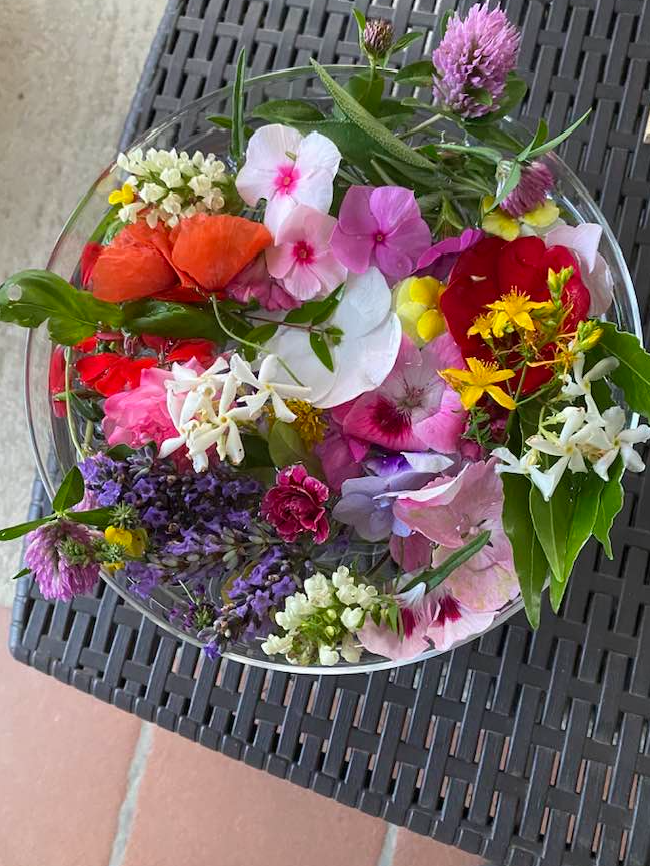
The preparation of St. John’s water is a true ritual. On the evening of June 23, wild herbs and flowers were gathered, each with a symbolic meaning:
Hypericum (or St. John’s Wort): considered a powerful talisman against evil and negativity.
Artemis: a symbol of feminine strength and protection.
Lavender: known for its calming and purifying properties.
Mint: associated with freshness and vitality.
Rosemary: symbol of love and fidelity.
These herbs were immersed in a basin of water and left outdoors overnight so that they could absorb the dew, which was considered “heavenly water” and therefore endowed with special powers. In the morning, the water was filtered and used to wash the face and body, as a sign of purification and rebirth.
Legends and Folk Beliefs
There are many legends associated with St. John’s water. Washing with this water is said to bring good luck, health, love, and beauty. Some folk beliefs also attribute St. John’s water with protective powers against disease and negativity.
St. John’s Water Recipe
To prepare St. John’s water, you will need:
Herbs and wild flowers (St. John’s Wort, mugwort, lavender, mint, rosemary)
A basin of water
A linen or cotton cloth
Gather the herbs and flowers on the evening of June 23. Immerse them in the basin of water and cover it with the towel. Leave the basin outdoors overnight. In the morning, strain the water and use it to wash yourself.
Keywords.
St. John’s water, summer solstice, propitiatory rites, wild herbs, dew, purification, rebirth, good luck, health, love, beauty.
I hope this description of St. John’s water has been comprehensive and has immersed you in the magic of this ancient tradition.

 SummerSimo Travel Troubles Notes and The Purring Page
Leave a comment