Essential oils have emerged as promising alternatives to synthetic antibiotics. Among these, essential oils such as Ravintsara (Cinnamomum camphora ct. cineole) and Oregano (Origanum vulgare) have garnered significant attention due to their potent antimicrobial properties and potential therapeutic applications. This comprehensive investigation investigates the depths of these essential oils, exploring their chemical composition, mechanisms of action, clinical efficacy, safety profiles, and practical applications.
Chemical composition and antibacterial mechanisms are discussed.
Ravintsara essential oil is an essential oil.
Ravintsara essential oil is mainly composed of 1,8-cineole, which contributes to its characteristic camphoraceous aroma. This compound, along with other constituents such as -terpineol, sabinene, and 4-terpineol, has broad-spectrum antibacterial activity.
Mechanisms of action are:
Ravintsara’s lipophilic nature allows them to penetrate bacterial cell membranes, causing structural damage and leakage of cellular contents.
Certain compounds in Ravintsara essential oil have the ability to inhibit crucial enzymes involved in bacterial metabolism and growth, resulting in cell death.
Ravintsara essential oil possesses antioxidant properties that can neutralize free radicals generated by bacteria. This contributes to its antibacterial effects.
Oregano essential oil is an essential oil.
Oregano essential oil is known for its high content of carvacrol and thymol, two phenolic compounds responsible for its potent antimicrobial activity.

Mechanisms of action are as follows:
Oregano essential oil has components that disrupt bacterial cell membranes, compromising their integrity and functionality.
Carvacrol and thymol interfere with bacterial energy production by inhibiting ATP synthesis, an essential for cell survival.
Oregano essential oil has been found to disrupt quorum sensing, a communication system used by bacteria to coordinate virulence and antibiotic resistance.
Clinical efficacy and therapeutic applications are discussed.
The essence of Ravintsara essential oil.
Numerous studies have demonstrated that Ravintsara essential oil is effective against a wide range of bacterial pathogens, including Staphylococcus aureus, Escherichia coli, Pseudomonas aeruginosa, and Streptococcus pneumoniae. It has also been reported to be effective against respiratory infections, skin infections, and viral illnesses.

Therapeutic applications are available.
The inhalation of Ravintsara essential oil can help relieve respiratory congestion and promote relaxation.
Ravintsara oil can be used topically to treat skin infections, wounds, and insect bites.
Ravintsara oil can be ingested in small amounts for its antibacterial and antiviral effects, under professional guidance.
The essence of oregano.
Oregano essential oil has been extensively studied for its antibacterial properties against antibiotic-resistant strains, such as methicillin-resistant Staphylococcus aureus and vancomycin-resistant Enterococcus. Its effectiveness against gastroenteritis, respiratory infections, and fungal infections has also been reported.
Therapeutic applications are available.
Inhalation of oregano essential oil can help clear respiratory passages and combat respiratory infections.
Diluted oregano oil can be applied topically to treat skin infections, acne, and fungal infections like athlete’s foot.
Under professional guidance, oregano oil should be ingested in small amounts for its antibacterial and antifungal effects.
Safety Considerations and Toxicity: Safety Considerations and Toxicity.
Although essential oils are generally deemed safe when utilized appropriately, it is imperative to exercise caution and adhere to the recommended guidelines.
Ravintsara essential oil is an essential oil.
Ravintsara essential oil is generally safe for most individuals, if used in moderation. However, excessive or prolonged usage may result in skin irritation or sensitization. It is advisable for pregnant and breastfeeding women, children, and individuals with specific medical conditions to seek the advice of a healthcare professional prior to utilizing Ravintsara oil.
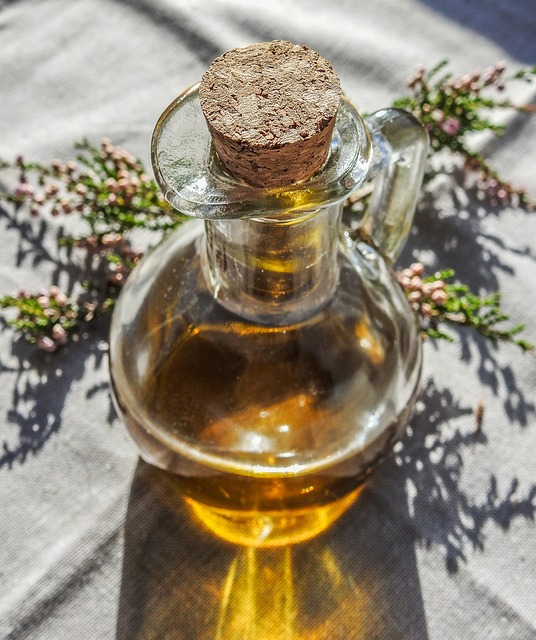
The essence of oregano.
Oregano essential oil, when diluted properly, is generally safe for topical and aromatic use. Nevertheless, its high phenol content can be irritating to the skin and mucous membranes if used undiluted or in excessive amounts. Individuals who are pregnant or breastfeeding, individuals with bleeding disorders, and those taking blood-thinning medications are advised to refrain from ingesting Oregano oil internally.
The method of application is
Essential oils can be administered through several methods, each offering distinct advantages and considerations.
Ravintsara essential oil is an essential oil of Ravintsara.
Aromatherapy involves inhaling 3-5 drops of Ravintsara oil into a diffuser for a duration of 15-30 minutes.
Dissolve 2-3 drops of Ravintsara oil into a carrier oil (e.g., coconut oil, jojoba oil) and apply to the affected area.
Consult a qualified healthcare professional for dosage and guidance.
Oregano essential oil is an essential oil.
Aromatherapy: For 10-15 minutes, diffuse 1-2 drops of Oregano oil into a diffuser.
Apply 1-2 drops of Oregano oil in a carrier oil to the affected area.
Consult a qualified healthcare professional for dosage and guidance.
Future directions and research needs will be determined by future directions and research needs.
Ravintsara and Oregano essential oils show tremendous promise as natural antibiotics, but further research is needed to fully elucidate their mechanisms of action, optimize their therapeutic applications, and establish standardized dosages and guidelines for safe and effective use.
Particular areas that require further investigation include:
Exploring the potential synergistic effects of Ravintsara and Oregano essential oils with other antimicrobial agents or natural compounds could lead to enhanced therapeutic outcomes.
It is essential to conduct rigorous clinical trials to evaluate the efficacy and safety of these essential oils in treating various infectious diseases.
Understanding the pharmacokinetics of Ravintsara and Oregano essential oils, including their absorption, distribution, metabolism, and excretion, is imperative for optimizing their therapeutic application.
Long-term toxicity studies are required to evaluate the safety of the prolonged or repeated usage of these essential oils.
Quality control measures for the production and labeling of essential oils are essential to ensure their purity and therapeutic efficacy.
The significance of essential oils in the field of integrative medicine.
Essential oils such as Ravintsara and Oregano are likely to play an increasingly important role in complementing conventional therapies as the field of integrative medicine continues to evolve. They have the potential to address antibiotic resistance, reduce the risk of adverse effects associated with synthetic antibiotics, and promote overall well-being.
To conclude,
Ravintsara and Oregano essential oils serve as a beacon of hope in the ongoing battle against infectious diseases. Their potent antimicrobial properties, diverse therapeutic applications, and potential to address antibiotic resistance render them indispensable assets in both traditional and modern medicine. Continued research and responsible use of these natural antibiotics can lead to a healthier and more sustainable future.
Ravintsara and Oregano essential oils are potent natural alternatives to synthetic antibiotics, providing a broad-spectrum antimicrobial activity and diverse therapeutic applications. Their effectiveness against various bacterial pathogens, including antibiotic-resistant strains, highlights their potential as valuable tools for the fight against infectious diseases. Nonetheless, it is imperative to utilize these oils with prudence and under the guidance of a qualified individual to guarantee their safe and effective utilization.
Official Links and Sources on Ravintsara and Oregano Essential Oils:
Ravintsara Essential Oil:
- PubMed: A comprehensive database of biomedical and life sciences literature, including research articles on Ravintsara essential oil. You can search for relevant studies using keywords like “Ravintsara essential oil,” “Cinnamomum camphora ct. cineole,” and “antimicrobial activity.” (https://pubmed.ncbi.nlm.nih.gov/)
- National Institutes of Health (NIH): The NIH website provides information on complementary and integrative health approaches, including essential oils. You can search for information on Ravintsara oil and its potential health benefits. (https://www.nccih.nih.gov/)
- European Medicines Agency (EMA): The EMA website provides information on herbal medicinal products, including essential oils. You can search for information on Ravintsara oil and its regulatory status in the European Union. (https://www.ema.europa.eu/)
Oregano Essential Oil:
- PubMed: Similar to Ravintsara oil, you can search for research articles on Oregano essential oil on PubMed using keywords like “Oregano essential oil,” “Origanum vulgare,” “carvacrol,” “thymol,” and “antimicrobial activity.” (https://pubmed.ncbi.nlm.nih.gov/)
- National Institutes of Health (NIH): The NIH website also provides information on Oregano essential oil and its potential health benefits. (https://www.nccih.nih.gov/)
- European Medicines Agency (EMA): You can search for information on Oregano oil and its regulatory status in the European Union on the EMA website. (https://www.ema.europa.eu/)
Additional Resources:
- National Center for Complementary and Integrative Health (NCCIH): The NCCIH website provides information on the safe and effective use of complementary and integrative health approaches, including essential oils. (https://www.nccih.nih.gov/)
- American Herbal Products Association (AHPA): The AHPA website provides information on herbal products, including essential oils, and their quality standards. (https://www.ahpa.org/)
- National Association for Holistic Aromatherapy (NAHA): The NAHA website provides information on aromatherapy and the safe use of essential oils. (https://naha.org/)
Please note that the information provided in this response is for educational purposes only and should not be considered medical advice. Always consult with a qualified healthcare professional before using essential oils, especially if you are pregnant, breastfeeding, or have any underlying health conditions.
Sources
- localwitchdoctor.com/how-common-are-witch-doctors-in-nigeria
- naomedical.com/info/essential-oils-for-scabies-mites-natural-remedies-benefits.html

 SummerSimo Travel Troubles Notes and The Purring Page
Leave a comment