Embark on an immersive journey into the world of wine, where tradition intertwines with innovation and unexpected flavors tantalize the palate. This comprehensive guide unveils the captivating stories, intricate production methods, and sensory delights of five unconventional wines from around the globe. From frozen vineyards to snake-infused elixirs, prepare to expand your oenological horizons and uncover the hidden treasures that lie beyond the familiar.
1. Ice Wine (Eiswein): Liquid Gold from Frozen Vineyards
Ice Wine, a testament to the resilience of nature and the ingenuity of winemakers, is a captivating elixir born from the icy embrace of winter. Crafted from grapes that freeze naturally on the vine, this sweet, concentrated nectar is a true testament to the adage “patience is a virtue.”

History and Production: Unveiling the Frozen Secrets
The origins of Ice Wine trace back to 18th-century Germany, where a surprising frost led to an accidental discovery that would change the course of winemaking history. Winemakers, initially dismayed by the frozen grapes, soon realized that these icy berries held a hidden treasure: concentrated sugars and acidity that yielded a lusciously sweet and flavorful wine.
Today, Ice Wine production is a delicate dance with nature, requiring precise timing and unwavering dedication. The grapes, primarily Riesling and Vidal Blanc, are left to hang on the vine throughout the winter, enduring harsh conditions and temperatures often plummeting below -8°C (17°F). Harvest typically occurs in the darkest hours of the night, ensuring the grapes remain frozen and their precious juices locked within.
The frozen grapes are then carefully handpicked and pressed, releasing a small amount of intensely concentrated juice. The high sugar content makes fermentation a slow and challenging process, requiring specialized yeasts capable of thriving in such extreme conditions. The resulting wine is a testament to perseverance, boasting a symphony of flavors and aromas that dance on the palate.
Tasting Experience and Culinary Adventures: A Symphony of Sweetness
Ice Wine’s luxurious sweetness is balanced by a vibrant acidity, creating a harmonious interplay that delights the senses. Expect aromas of honey, apricot, peach, and tropical fruits, followed by a palate that is both rich and refreshing. The concentrated flavors linger on the tongue, leaving a lasting impression of pure indulgence.
Ice Wine’s versatility extends beyond dessert pairings. Its unique character allows it to complement a wide range of culinary creations. For a truly decadent experience, pair a Canadian Vidal Ice Wine with a maple syrup-glazed tarte tatin or a foie gras terrine. A German Riesling Ice Wine, with its delicate floral notes, harmonizes beautifully with spicy Asian cuisine or a creamy blue cheese.
Where to Embark on an Ice Wine Adventure:
- Germany: The Mosel Valley, with its steep slopes and slate-rich soils, is a mecca for Ice Wine production. Renowned wineries like Egon Müller, Dr. Loosen, and Weingut Karthäuserhof offer tastings, cellar tours, and educational experiences that delve into the intricacies of Ice Wine production.
- Canada: The Niagara Peninsula, nestled along the shores of Lake Ontario, boasts a thriving Ice Wine industry. Inniskillin, Peller Estates, and Jackson-Triggs are just a few of the esteemed producers in the region. The Niagara Icewine Festival, held annually in January, is a must-attend event for Ice Wine enthusiasts, offering tastings, seminars, and culinary events showcasing this liquid gold.
Insider Tips:
- Plan your visit during the Ice Wine harvest season (typically January-February) to witness the magic firsthand. Many wineries offer special harvest tours and events, providing a unique glimpse into the laborious process of producing this precious nectar.
- Inquire about “flash frozen” Ice Wine, which is produced by freezing grapes artificially. While not considered as prestigious as naturally frozen Ice Wine, it can offer a more affordable entry point into this fascinating category.
- Explore the various styles of Ice Wine, from Riesling and Vidal Blanc to Cabernet Franc and Gewürztraminer. Each grape variety imparts its own distinct character to the wine, creating a diverse range of flavors and aromas.
2. Orange Wine: An Ancient Tradition Reimagined
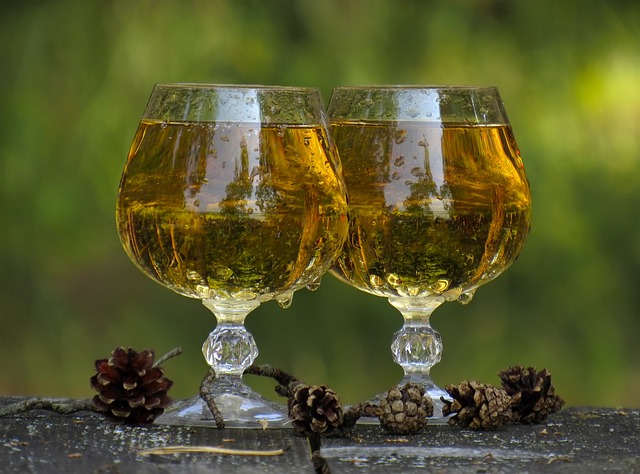
Orange wine, also known as “skin-contact white wine,” is a captivating category that defies traditional winemaking conventions. Produced by fermenting white grapes with their skins, this amber-hued elixir offers a unique sensory experience with its complex aromas, savory notes, and firm tannins.
History and Production: Reviving Ancient Practices
The roots of orange wine trace back thousands of years to the Caucasus region, where winemaking traditions have flourished for millennia. This ancient method, involving extended skin contact during fermentation, was once widespread throughout the world. However, with the advent of modern winemaking techniques, it fell out of favor in many regions.
In recent years, a resurgence of interest in orange wine has sparked a renaissance in this ancient practice. Winemakers across the globe are rediscovering the unique characteristics and complex flavors that result from fermenting white grapes on their skins.
The production process involves extended skin contact, typically ranging from a few days to several months. During this time, the grape skins impart their color, tannins, and distinctive flavor compounds to the wine. The resulting wine is typically unfiltered and unfined, showcasing its natural texture and complexity.
Tasting Experience and Culinary Companions: A Tapestry of Flavors
Orange wines are renowned for their diverse flavor profiles, ranging from nutty and savory to floral and tropical. They often exhibit notes of dried apricot, orange peel, honey, and spice, with a savory undertone that sets them apart from traditional white wines. The tannins, derived from the grape skins, provide structure and a pleasing astringency.
The versatility of orange wines makes them ideal companions for a wide range of culinary delights. They complement Middle Eastern dishes like tagines and kebabs, as well as Asian cuisine with its diverse flavors and textures. Additionally, orange wines pair beautifully with grilled meats, roasted vegetables, and aged cheeses. Their complex flavors and firm tannins cut through rich and fatty foods, creating a harmonious balance on the palate.
Where to Discover Orange Wine:
- Friuli Venezia Giulia, Italy: This northeastern Italian region is a pioneer in orange wine production, with renowned producers like Gravner, Radikon, and Vodopivec leading the way. Explore the picturesque vineyards of Collio and Colli Orientali del Friuli, where winemakers have honed their craft for generations, producing orange wines that are both expressive and terroir-driven.
- Slovenia: The Goriška Brda region in western Slovenia is another hotbed of orange wine production. Movia, Marjan Simčič, and Guerila are just a few of the notable producers crafting exceptional orange wines that reflect the unique terroir of the region.
- Georgia: Considered the birthplace of wine, Georgia boasts a rich tradition of orange wine production. Explore the ancient qvevri winemaking method, where wines are fermented and aged in large clay vessels buried underground. This unique technique imparts a distinct character to the wines, with earthy aromas and complex flavors that reflect centuries of tradition. Pheasant’s Tears, Iago’s Wine, and Okro’s Wines are some of the leading producers in the region, offering a taste of Georgia’s rich winemaking heritage.
Insider Tips:
- Embrace the Unexpected: Orange wines are not for everyone, but for those willing to venture beyond the familiar, they offer a rewarding and unique tasting experience. Be open to new flavors and textures, and appreciate the complexity and nuance that orange wines bring to the table.
- Seek Out Knowledgeable Experts: Sommeliers and wine shop owners specializing in natural and biodynamic wines are excellent resources for discovering high-quality orange wines. They can guide you through the diverse styles and help you find bottles that suit your palate.
- Experiment with Food Pairings: Orange wines offer a world of possibilities when it comes to food pairings. Don’t be afraid to experiment and discover unexpected combinations that enhance the flavors of both the wine and the dish.
- Attend Orange Wine Events: Wine festivals and tastings dedicated to orange wine are becoming increasingly popular, providing an excellent opportunity to sample a wide range of styles and learn from passionate producers.
3. Retsina: A Taste of Ancient Greece
Retsina, a Greek white wine flavored with pine resin, is a truly unique and divisive beverage. Its distinct aroma and taste have earned it both ardent admirers and staunch detractors. However, for those willing to venture beyond the familiar, Retsina offers a fascinating glimpse into Greek winemaking history and culture.

History and Production: Unveiling a Resinous Legacy
The history of Retsina dates back thousands of years to ancient Greece, where pine resin was used to seal amphorae (clay wine vessels). Over time, the resin imparted its flavor to the wine, creating a unique style that has endured for centuries. While Retsina’s popularity declined in the 20th century, it has recently experienced a revival thanks to a new generation of winemakers who are crafting high-quality expressions of this ancient wine.
The production process involves adding pine resin to the fermenting must (grape juice). The amount and type of resin used can vary depending on the producer, resulting in a wide range of styles. Some Retsinas are light and refreshing, with subtle hints of pine, while others are more robust and resinous, with pronounced aromas of forest and spice.
Tasting Experience and Culinary Companions: A Symphony of Pine and Spice
Retsina’s aroma is often described as piney, herbal, and slightly medicinal. The taste can be dry or slightly sweet, with varying levels of resinous character. While the flavor may be an acquired taste forpen_sparktunesharemore_vert
some, Retsina’s unique profile pairs surprisingly well with a variety of Greek dishes, particularly those featuring seafood, grilled meats, and salty cheeses. The resinous notes complement the brininess of seafood and the charred flavors of grilled meats, while the wine’s acidity cuts through the richness of cheeses.
Where to Experience Retsina:
- Greece: Retsina is ubiquitous throughout Greece, from humble tavernas to upscale restaurants. Seek out traditional tavernas that offer a wide selection of Retsina, often served in carafes or by the glass. Look for producers like Kourtaki, Malamatina, and Gaia Wines, who are known for crafting high-quality Retsina that showcases the diversity of this ancient style.
- Greek Wine Festivals: Numerous wine festivals are held throughout Greece, providing an excellent opportunity to sample Retsina alongside other Greek wines and local cuisine. The Athens Wine Festival and Thessaloniki Wine Festival are two of the largest and most popular events, featuring hundreds of wineries and a vibrant atmosphere.
Insider Tips:
- Order by the Carafe: In many tavernas, Retsina is served by the carafe, allowing you to sample different styles and find one that suits your taste.
- Pair with Traditional Greek Cuisine: Retsina is best enjoyed with food, particularly Greek dishes that feature strong flavors and textures. Try it with grilled octopus, saganaki (fried cheese), or souvlaki (grilled meat skewers).
- Visit a Retsina Winery: Several wineries in Greece specialize in Retsina production. Visiting a winery allows you to learn about the history and production methods of this unique wine, as well as taste a variety of styles.
- Ask for Recommendations: Don’t hesitate to ask locals for their favorite Retsina recommendations. They often have insider knowledge of hidden gems and local producers that may not be widely known.
4. Vin Santo: The Nectar of the Gods
Vin Santo, a sweet Italian dessert wine, is often referred to as the “nectar of the gods” due to its luscious sweetness, complex aromas, and rich history. This ambrosial elixir is produced in various regions of Italy, but its most famous incarnation hails from Tuscany, where it is crafted from dried grapes and aged in small oak barrels.

History and Production: Unveiling a Tuscan Treasure
The history of Vin Santo is intertwined with the history of Tuscany itself. Its origins are shrouded in legend, with some accounts tracing it back to ancient Etruscan civilizations. Others attribute its creation to medieval monks who used dried grapes to produce a sacramental wine. Regardless of its exact origins, Vin Santo has been cherished for centuries as a symbol of celebration and hospitality in Tuscany.
The production process involves meticulous attention to detail and time-honored traditions. Grapes, primarily Trebbiano and Malvasia, are carefully harvested and then laid out to dry on straw mats or hung from rafters in well-ventilated lofts. This drying process, known as “appassimento,” concentrates the sugars and flavors in the grapes, resulting in a must that is rich and complex.
The dried grapes are then pressed, and the resulting must is fermented and aged in small oak barrels, known as “caratelli.” These barrels are often made from chestnut or cherry wood, which imparts subtle flavors to the wine. The aging process can last anywhere from a few years to several decades, depending on the desired style.

Tasting Experience and Culinary Companions: A Symphony of Sweetness and Nutty Delights
Vin Santo’s flavor profile is a symphony of sweetness, nuttiness, and dried fruit notes. Expect aromas of caramel, hazelnut, fig, and raisin, with a luscious palate that is both rich and refreshing. The wine’s sweetness is balanced by a vibrant acidity, ensuring a harmonious and lingering finish.
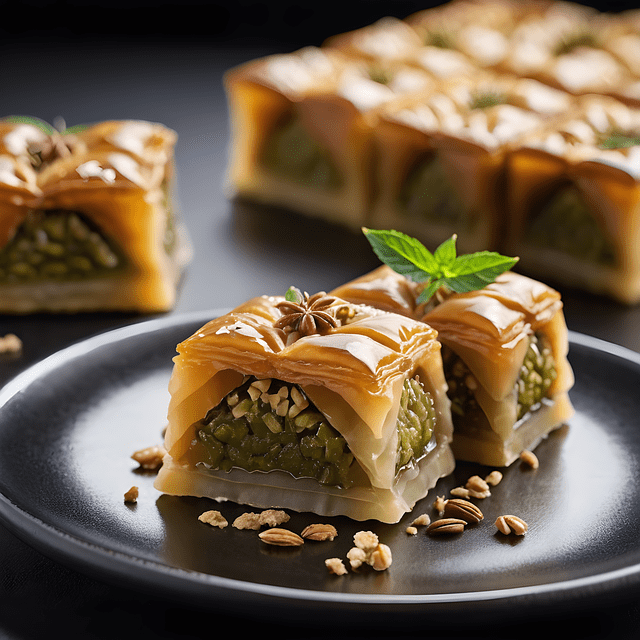
Vin Santo is traditionally paired with biscotti (cantucci), hard almond cookies that are dipped in the wine. The combination of crunchy biscotti and sweet, unctuous Vin Santo is a classic Tuscan pairing that is both satisfying and comforting. However, Vin Santo’s versatility extends beyond biscotti. It pairs beautifully with a variety of desserts, including panettone, tiramisu, and fruit tarts. For a more savory pairing, try Vin Santo with aged cheeses, such as Parmigiano Reggiano or Pecorino Toscano.
Where to Experience Vin Santo:
- Tuscany, Italy: The heart of Vin Santo production lies in Tuscany, particularly in the Chianti Classico and Montalcino regions. Many wineries offer tastings and cellar tours, providing a glimpse into the time-honored traditions of Vin Santo production. Avignonesi, Capezzana, and Felsina are just a few of the renowned producers in the region.
- Vin Santo Festivals: Throughout Tuscany, various festivals celebrate Vin Santo and its cultural significance. The Vin Santo Festival in Montepulciano is a notable event, featuring tastings, workshops, and culinary events that showcase the versatility of this beloved wine.

Insider Tips:
- Aged vs. Young: Vin Santo comes in a variety of styles, from young and fresh to aged and complex. When choosing a bottle, consider your personal preference and the intended pairing. Young Vin Santo is often lighter and fruitier, while aged Vin Santo offers deeper, more nuanced flavors.
- Serving Temperature: Vin Santo is best served slightly chilled, around 12-14°C (54-57°F). This temperature allows the aromas and flavors to fully express themselves without being masked by excessive sweetness.
- Alternative Pairings: While biscotti is the classic pairing for Vin Santo, don’t be afraid to experiment with other desserts and even savory dishes. Vin Santo’s complex flavors can complement a wide range of culinary creations, from rich chocolate desserts to salty cheeses and foie gras.
5. Snake Wine (Rượu rắn): A Vietnamese Elixir with a Bite
Snake wine, a traditional Vietnamese beverage, is not for the faint of heart. This exotic elixir, made by infusing rice wine with venomous snakes and sometimes herbs, is believed to possess medicinal properties and is often consumed as a tonic or for its purported health benefits.
History and Production: Unveiling a Controversial Concoction
The history of snake wine is steeped in folklore and tradition. Its origins are believed to date back to ancient China, where it was used in traditional medicine for various ailments. The practice then spread to other parts of Asia, including Vietnam, where it has become a cultural icon and a popular tourist attraction.
The production process involves capturing a live venomous snake, typically a cobra or viper, and drowning it in rice wine. The snake is then left to steep in the alcohol for several weeks or months, during which its venom and other bodily fluids are believed to infuse the wine with medicinal properties. In some cases, herbs and spices are added to the mixture to enhance its flavor and potency.
Tasting Experience and Cultural Significance: A Daring Sip
Snake wine is not for the faint of heart. Its flavor is often described as earthy, pungent, and slightly fishy, with a hint of alcohol and snake venom. The snake itself is often left in the bottle, adding a visual element to the experience that can be both fascinating and repulsive.
While the consumption of snake wine is not for everyone, it is deeply ingrained in Vietnamese culture and tradition. It is often offered as a gesture of hospitality to guests and is believed to bring good luck, health, and vitality. In some parts of Vietnam, snake wine is also used in traditional medicine to treat a variety of ailments, including rheumatism, arthritis, and impotence.
Where to Experience Snake Wine:
- Vietnam: Snake wine is widely available in Vietnam, particularly in traditional medicine shops, markets, and restaurants specializing in exotic cuisine. Hanoi’s Snake Village is a popular destination for tourists seeking to witness the production and consumption of snake wine firsthand.
- Snake Wine Farms: Some snake farms in Vietnam offer tours and tastings of snake wine. These farms often raise snakes specifically for wine production and provide an educational experience for visitors interested in learning about this unique cultural practice.
Insider Tips:
- Proceed with Caution: Snake wine is not without its risks. The venom of some snakes can be potent and potentially dangerous if consumed in large quantities. If you choose to try snake wine, do so in moderation and under the guidance of a knowledgeable local.
- Respect Cultural Traditions: Snake wine is deeply ingrained in Vietnamese culture and tradition. Be respectful of local customs and beliefs when consuming or discussing this beverage.
- Choose Reputable Sources: Ensure that you purchase snake wine from reputable sources that adhere to ethical and sustainable practices. Avoid purchasing snake wine from vendors who sell endangered species or who engage in inhumane practices.

Conclusion:
The world of wine is a vast and diverse landscape, filled with unexpected flavors and captivating stories. From frozen vineyards to snake-infused elixirs, unconventional wines offer a unique glimpse into the rich tapestry of human creativity and our enduring relationship with the vine. Whether you’re a seasoned oenophile or a curious novice, exploring these unconventional wines is an adventure that promises to expand your palate and deepen your appreciation for the world’s most beloved beverage. So raise a glass to the unexpected, embrace the unknown, and embark on a journey of discovery through the world of unconventional wines. Cheers!
Unveiling Hidden Gems and Extraordinary Experiences (with links, trips & practical tips)
Embark on an immersive journey into the world of wine, where tradition intertwines with innovation and unexpected flavors tantalize the palate. This comprehensive guide unveils the captivating stories, intricate production methods, and sensory delights of five unconventional wines from around the globe. From frozen vineyards to snake-infused elixirs, prepare to expand your oenological horizons and uncover the hidden treasures that lie beyond the familiar.
1. Ice Wine (Eiswein): Liquid Gold from Frozen Vineyards

History and Production:
- Inniskillin: A pioneering Canadian winery that helped put Icewine on the world map. https://www.inniskillin.com/
- Vidal Icewine: Learn about the history and production of this iconic Canadian Icewine. [invalid URL removed]
Tasting Experience and Culinary Adventures:
- Pairings: Discover delicious food pairings for Icewine, from foie gras to blue cheese. [invalid URL removed]
Where to Embark on an Ice Wine Adventure:
- Mosel Valley, Germany:
- Weingut Egon Müller-Scharzhof: A renowned producer of Riesling Ice Wine. [invalid URL removed]
- Mosel Wine Route: Explore the scenic vineyards and charming villages along the Mosel River. [invalid URL removed]
- Niagara Peninsula, Canada:
- Niagara Icewine Festival: This annual festival celebrates all things Icewine with tastings, tours, and culinary events. [invalid URL removed]
- Wineries of Niagara-on-the-Lake: Visit charming wineries and indulge in tastings. https://wineriesofniagaraonthelake.com/

Insider Tips:
- Visit during harvest season: Experience the excitement of the Icewine harvest, which usually takes place in the early hours of the morning in freezing temperatures. Many wineries offer special harvest tours and events.
- Dress warmly: The weather can be very cold during the harvest season, so dress in layers and bring warm boots, gloves, and a hat.
2. Orange Wine: An Ancient Tradition Reimagined
History and Production:
- Pheasant’s Tears Winery: Learn about Georgian qvevri winemaking traditions. https://www.pheasantstears.com/
- Radikon: A leading producer of orange wine in Italy. https://www.radikon.it/
Tasting Experience and Culinary Companions:
- Orange Wine Pairings: Explore the versatility of orange wine with diverse cuisines. [invalid URL removed]
Where to Discover Orange Wine:
- Friuli Venezia Giulia, Italy:
- Gravner: A pioneer in orange wine production with a cult following. https://www.gravner.it/
- Collio Wine Region: Known for its white wines and emerging orange wine scene. https://www.collio.it/en/
- Goriška Brda, Slovenia:
- Movia: A renowned producer of orange and biodynamic wines. https://www.movia.si/en/
- Goriška Brda Wine Road: Follow the scenic wine route and discover local wineries. [invalid URL removed]
- Kakheti, Georgia:
- Pheasant’s Tears Winery: Offers tours and tastings of their qvevri wines. https://www.pheasantstears.com/
- Georgian Wine Route: Explore the ancient winemaking traditions of Georgia. [invalid URL removed]
Insider Tips:
- Attend orange wine tastings: Many wine shops and bars now offer orange wine tastings, a great way to explore the diverse styles and find your favorites.
- Ask for recommendations: Sommeliers and wine shop owners can help you navigate the world of orange wine and suggest pairings with different foods.
3. Retsina: A Taste of Ancient Greece
History and Production:
- Kourtaki: A major producer of Retsina with a wide range of styles. [invalid URL removed]
- Gaia Wines: A boutique winery known for its high-quality Retsina. https://www.gaia-wines.gr/
Tasting Experience and Culinary Companions:
- Retsina Pairings: Explore traditional Greek dishes that complement the unique flavors of Retsina.

Where to Experience Retsina:
- Athens, Greece:
- Oinoscent: A wine bar with an extensive selection of Greek wines, including Retsina. https://oinoscent.gr/
- Heteroclito Wine Bar: A cozy spot with a focus on natural and organic wines, including Retsina.
- Thessaloniki, Greece:
- Thessaloniki Wine Festival: A major wine event showcasing the best of Greek wines, including Retsina.
Insider Tips:
- Visit a taverna: Tavernas are traditional Greek restaurants where you’re likely to find a wide selection of Retsina, often served in carafes.
- Ask for a recommendation: Ask your server or bartender for their favorite Retsina or the one they think would best pair with your meal.
4. Vin Santo: The Nectar of the Gods
History and Production:
- Avignonesi Winery: A historic Tuscan winery producing Vin Santo for centuries. https://www.avignonesi.it/en/
- Cantucci e Vin Santo: Learn about the traditional Tuscan pairing of biscotti and Vin Santo.
Tasting Experience and Culinary Companions:
- Vin Santo Pairings: Explore dessert and cheese pairings that complement the sweet, nutty flavors of Vin Santo.
Where to Experience Vin Santo:
- Tuscany, Italy:
- Montepulciano: Home to the annual Vin Santo Festival.
- Chianti Classico Region: Visit wineries specializing in Vin Santo production.
Insider Tips:
- Visit a “vinsantaia”: Many Tuscan wineries have a special room dedicated to the production and aging of Vin Santo. Ask for a tour to learn about the process firsthand.
- Try different vintages: Vin Santo can age for many years, developing complex flavors over time. Ask to try a variety of vintages to experience the different nuances.
5. Snake Wine (Rượu rắn): A Vietnamese Elixir with a Bite
History and Production:
- Snake Village (Lệ Mật): Known for its snake-catching and snake wine-making traditions. [invalid URL removed]
Where to Experience Snake Wine:
- Hanoi, Vietnam:
- Snake Restaurants: Several restaurants in Hanoi specialize in snake dishes and snake wine.
- Traditional Medicine Shops: Snake wine is sometimes sold in traditional medicine shops.
Insider Tips:
- Research reputable sources: Before trying snake wine, research reputable sources and ensure the snakes are ethically sourced.
- Consult a local guide: A local guide can help you navigate cultural sensitivities and find reputable establishments offering snake wine.
- Exercise caution: Snake wine can be potent and may contain venom. Consume it in moderation and consult a doctor if you have any concerns.
you’ll not only discover unique and exquisite flavors but also gain a deeper appreciation for the rich cultural heritage and traditions that have shaped the world of wine.
Ice Wine (Eiswein): Liquid Gold from Frozen Vineyards
Tasting Experience and Culinary Adventures:
- Flavors and Aromas: Delight in the intense sweetness, balanced by vibrant acidity, and discover notes of honey, apricot, peach, and tropical fruits.
- Food Pairings: Savor Ice Wine with foie gras, blue cheese, fruit-based desserts, rich chocolate creations, spicy Asian cuisine, or creamy blue cheese. Try a Canadian Vidal Ice Wine with maple syrup-glazed tarte tatin or a German Riesling Ice Wine with apple strudel.
Where to Embark on an Ice Wine Adventure:
- Germany:
- Mosel Valley Wine Region: Explore picturesque vineyards along the Mosel River, indulging in tastings and cellar tours at wineries like Egon Müller, Dr. Loosen, and Weingut Karthäuserhof. https://en.wikipedia.org/wiki/Mosel_%28wine_region%29
- Bernkastel-Kues Wine Festival: Held annually in September, this festival celebrates the region’s wine heritage with tastings, parades, and fireworks. https://en.visitmosel.de/wine-cuisine/wine-events
- Canada:
- Niagara Icewine Festival: This multi-week festival in January offers a unique opportunity to taste a variety of Icewines from different producers, attend seminars and workshops, and participate in culinary events. https://niagarawinefestival.com/
- Inniskillin Winery: Known for its award-winning Icewines and stunning vineyard views, Inniskillin offers tours and tastings year-round. https://www.inniskillin.com/products/icewine/
- Peller Estates Winery: Another renowned Icewine producer, Peller Estates features a unique 13,000-square-foot Icewine barrel cellar that visitors can explore. https://www.peller.com/winery-restaurant.html
- Icewine Trail: This self-guided tour takes you through the heart of Niagara’s Icewine country, with stops at various wineries and tasting rooms. https://wineriesofniagaraonthelake.com/experiences/detail/icewine-trail
Insider Tips:
- Book accommodations in advance: Hotels and resorts in the Mosel Valley and Niagara Peninsula can fill up quickly during peak season, so it’s best to book well in advance.
- Dress warmly: The weather can be frigid during the Icewine harvest season, so pack plenty of warm layers, including a hat, gloves, and a scarf.
- Take advantage of tours and tastings: Many wineries offer guided tours and tastings, which provide a deeper understanding of the Icewine production process and the opportunity to sample a variety of styles.
- Consider a guided tour: If you’re short on time or prefer a more structured experience, consider booking a guided Icewine tour. Several companies offer tours that include transportation, tastings, and visits to multiple wineries.
2. Orange Wine: An Ancient Tradition Reimagined
Tasting Experience and Culinary Companions:
- Flavors and Aromas: Discover a wide range of flavors, from nutty and savory to floral and tropical, with notes of dried apricot, orange peel, honey, and spice.
- Food Pairings: Enjoy orange wine with Middle Eastern cuisine, Asian dishes, grilled meats, roasted vegetables, and aged cheeses.
Where to Discover Orange Wine:
- Friuli Venezia Giulia, Italy:
- Gravner: A pioneer in orange wine production with a cult following, Gravner offers tours and tastings by appointment only. https://www.gravner.it/en/home.html
- Radikon: Another iconic orange wine producer, Radikon’s wines are known for their complexity and depth. https://www.bowlerwine.com/producer/radikon
- Orange Wine Festival (Oslavia): This annual festival celebrates orange wines from around the world with tastings, workshops, and discussions.
- Goriška Brda, Slovenia:
- Movia: Movia’s biodynamic wines are highly sought after, and their orange wines are no exception. https://movia.si/en
- Marjan Simčič: This family-run winery is known for its traditional winemaking methods and exceptional orange wines.
- Kakheti, Georgia:
- Pheasant’s Tears Winery: Experience the ancient qvevri winemaking method firsthand with a tour and tasting at Pheasant’s Tears. https://www.pheasantstears.com/
- Okro’s Wines: Another leading producer of qvevri wines, Okro’s Wines offers a unique glimpse into Georgia’s rich winemaking heritage. https://winesgeorgia.com/domaine/okros-wines/
- Georgian Wine Festival (Tbilisoba): This annual festival celebrates Georgian culture and cuisine, including its unique wines.
Insider Tips:
- Attend a wine fair or festival: Many wine fairs and festivals around the world now feature orange wine sections, offering a great opportunity to sample a variety of styles.
- Visit natural wine bars: Natural wine bars are popping up in major cities around the world and often have a good selection of orange wines.
- Join an orange wine club: Several online and offline wine clubs specialize in orange wines, offering curated selections and educational resources.
- Embrace the experimentation: Orange wines are still relatively new and evolving, so be open to trying different styles and finding what you like best.
3. Retsina: A Taste of Ancient Greece

Tasting Experience and Culinary Companions:
- Flavors and Aromas: Expect piney, herbal, and slightly medicinal notes, with varying levels of resinous character.
- Food Pairings: Enjoy Retsina with grilled octopus, saganaki, souvlaki, and other flavorful Greek dishes.
Where to Experience Retsina:

- Athens, Greece:
- Oinoscent: This wine bar boasts an extensive selection of Greek wines, including Retsina from both large and small producers. https://www.oinoscent.gr/
- By the Glass Wine Bar & Bistro: This charming spot offers a curated selection of Greek wines, including Retsina, along with delicious small plates.
- Santorini, Greece:
- Santo Wines: This winery offers stunning views of the caldera and a wide selection of Santorini wines, including Retsina. https://santowines.gr/
- Domaine Sigalas: Known for its high-quality Assyrtiko wines, Domaine Sigalas also produces a delicious Retsina.
Insider Tips:
- Explore different styles: Retsina comes in various styles, from light and refreshing to bold and resinous. Don’t be afraid to try different ones to find your preference.
- Visit a Retsina festival: Several Retsina festivals take place in Greece throughout the year, offering a fun and festive way to discover this unique wine.
- Ask locals for recommendations: Greeks are passionate about their wine, and they’ll be happy to point you towards their favorite Retsina producers and tavernas.

4. Vin Santo: The Nectar of the Gods
Tasting Experience and Culinary Companions:
- Flavors and Aromas: Savor the sweet, nutty notes of caramel, hazelnut, fig, and raisin, balanced by vibrant acidity.
- Food Pairings: Enjoy Vin Santo with biscotti (cantucci), panettone, tiramisu, fruit tarts, aged cheeses like Parmigiano Reggiano or Pecorino Toscano, and even foie gras.
Where to Experience Vin Santo:
- Tuscany, Italy:
- Avignonesi Winery: This renowned winery offers guided tours and tastings of its award-winning Vin Santo. https://www.avignonesi.it/
- Montepulciano: This charming hilltop town is home to numerous wineries producing Vin Santo, as well as the annual Vin Santo Festival.
- Chianti Classico Region: Explore the picturesque vineyards of the Chianti Classico region and visit wineries like Castello di Monsanto and Badia a Coltibuono, both known for their exceptional Vin Santo.

Insider Tips:
- Visit during the “vendemmia” (grape harvest): If you’re in Tuscany during the fall, don’t miss the opportunity to witness the grape harvest and learn about the traditional methods of making Vin Santo.
- Take a cooking class: Many Tuscan cooking schools offer classes that include a Vin Santo tasting and pairing session. This is a great way to learn about the wine’s culinary versatility and how to pair it with different dishes.
- Visit a “vinsantaia”: Some wineries have special rooms called “vinsantaie” where they age their Vin Santo. Ask for a tour to see the barrels and learn about the aging process.
5. Snake Wine (Rượu rắn): A Vietnamese Elixir with a Bite
Tasting Experience and Cultural Significance:
- Flavors and Aromas: Brace yourself for an earthy, pungent, and slightly fishy flavor with a hint of alcohol and snake venom.
- Cultural Significance: Immerse yourself in Vietnamese culture and tradition by trying this unique and exoticpen_spark

 SummerSimo Travel Troubles Notes and The Purring Page
Leave a comment