While a rare sight, pink dolphins are not just a figment of imagination. These captivating creatures, with their unique pigmentation, have been observed in various parts of the world and have captured the hearts and imaginations of those lucky enough to witness them.
The pink dolphins that are most commonly recognized are the dolphins of the Amazon River, commonly referred to as botos. These captivating creatures are indigenous to the Amazon and Orinoco river basins in South America. Interestingly, males tend to exhibit a more vibrant hue than females, despite not being born pink. Their pink color is believed to be influenced by blood vessel visibility, diet, and sun exposure.
Although the Amazon River dolphin is naturally pink, there have been documented instances of pink bottlenose dolphins in other regions of the world. These dolphins, which are typically found in coastal waters, have a unique coloration due to albinism, a genetic condition that affects melanin production. Due to the absence of melanin, their blood vessels are visible through their translucent skin, giving them a pinkish appearance.
Whether it is the vibrant pink hue of the Amazon River dolphins or the softer hue of albino bottlenose dolphins, these uncommon creatures are a testament to the remarkable diversity of life present in our oceans and rivers. Their existence sparks curiosity and wonder, reminding us of the many mysteries that still lie hidden under the waves.
Pink dolphins, scientifically known as Inia geoffrensis, are an intriguing species that is primarily found in the Amazon and Orinoco river basins in South America. These freshwater dolphins are renowned for their distinct pink hue, which can range from a pale blush to a vibrant rose.

The pink hue of these dolphins is not attributable to albinism, as frequently contended. It is believed that this is due to several factors, including blood vessel visibility through their thin skin, diet, and sun exposure. Male dolphins exhibit a greater degree of vivid coloration than their female counterparts, possibly as a result of heightened aggression and scarring.
These intelligent creatures have adapted to their unique environment, navigating murky waters with the help of echolocation. They use their long snouts and sharp teeth to catch fish, crustaceans, and turtles.
Although pink dolphins are a captivating sight, they are confronted with numerous threats to their survival. The challenges that they face include habitat loss, pollution, and accidental entanglement in fishing gear. Conservation efforts are currently underway to safeguard these fragile creatures and their delicate ecosystem.
Interestingly, dolphins with pink pigmentation are not the only ones with unusual pigmentation. There are documented cases of albino bottlenose dolphins whose pale skin reveals a pinkish hue due to the visible blood vessels beneath.
Pink dolphins, whether they are found in the Amazon or elsewhere, are a reminder of the beauty and diversity of life on our planet. Their existence inspires curiosity and wonder, inviting us to explore the mysteries of the natural world further.
Few words about the fake news Of a Carolina Apperarance
The first reported sighting of the pink dolphin in North Carolina appears to have appeared on Reddit, in the subreddit r/Damnthatsinteresting. It gained significant attention there before it spread to other platforms. However, the exact location and details of the initial sighting may require further investigation.Further investigation reveals that the viral images depicting the pink dolphin off the North Carolina coast are likely a fabrication. Several factors contribute to this conclusion, including
Despite widespread attention the images have received, there have been no official confirmations of a pink dolphin sighting from wildlife authorities or marine experts in North Carolina.
The dolphin appears in the exact same pose in all of the circulated photos, raising suspicions about their authenticity. This suggests that the images were digitally manipulated or that the dolphin was a fake object.
The dolphin’s appearance in the photos has been described as having an unusual plastic appearance, further fueling doubts about its legitimacy.
The images were widely shared on social media platforms, but there were no credible sources to support the claims of a pink dolphin sighting.
This incident is reminiscent of a recent hoax involving photos of orcas allegedly spotted off the Outer Banks of North Carolina, which were later debunked as images from a Korean commercial.
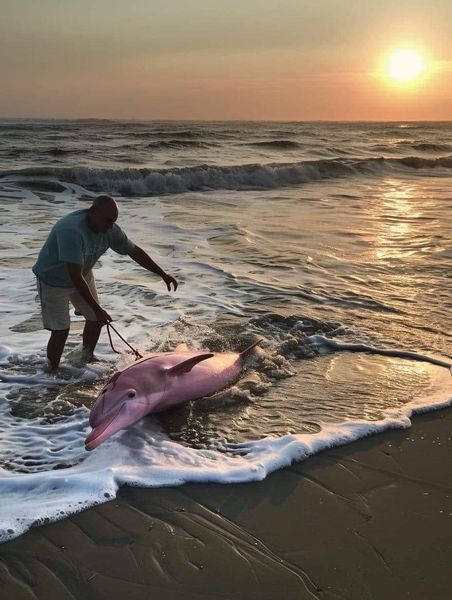
While pink dolphins do exist in other parts of the world, the absence of evidence and the suspicious nature of the images strongly suggest that the North Carolina sighting is not genuine. It is important to approach viral content with a critical eye and verify the information through reliable sources before accepting it as fact.

 SummerSimo Travel Troubles Notes and The Purring Page
Leave a comment