Japan is facing a medical emergency, with 77 people dying from a bacterial infection between the beginning of the year and March. On June 2, the Ministry of Health recorded 977 cases of streptococcal toxic shock syndrome (Stss), a dangerous and highly deadly bacterial infection. Experts are unable to pinpoint the reason for this increase, which has exceeded the record of 941 infections touched in 1999, while last year there were 97 deaths. It is a rare but serious bacterial infection that can develop when bacteria spread to deep tissues and the bloodstream. Patients initially experience fever, muscle pain, and vomiting. However, these symptoms may rapidly escalate to life-threatening levels, resulting in low blood pressure, swelling, and multi-organ failure as the body undergoes shock. Cnn explained that, according to the U.S. Centers for Disease Control and Prevention (CDC) Even with treatment, stss can still be fatal. Most cases are caused by the group A streptococcus (Gas) bacteria, which causes mainly fever and throat infections in children. In rare circumstances, streptococcus A can become invasive when the bacterium produces a toxin that allows it access to the bloodstream. This can cause serious illnesses such as toxic shock. It can also cause ‘flesh-eating’ necrotizing fasciitis, which can lead to loss of limbs. However, according to the CoCs, most patients who contract this disease have other health issues-such as cancer or diabetes-that could reduce their body’s ability to fight infection.
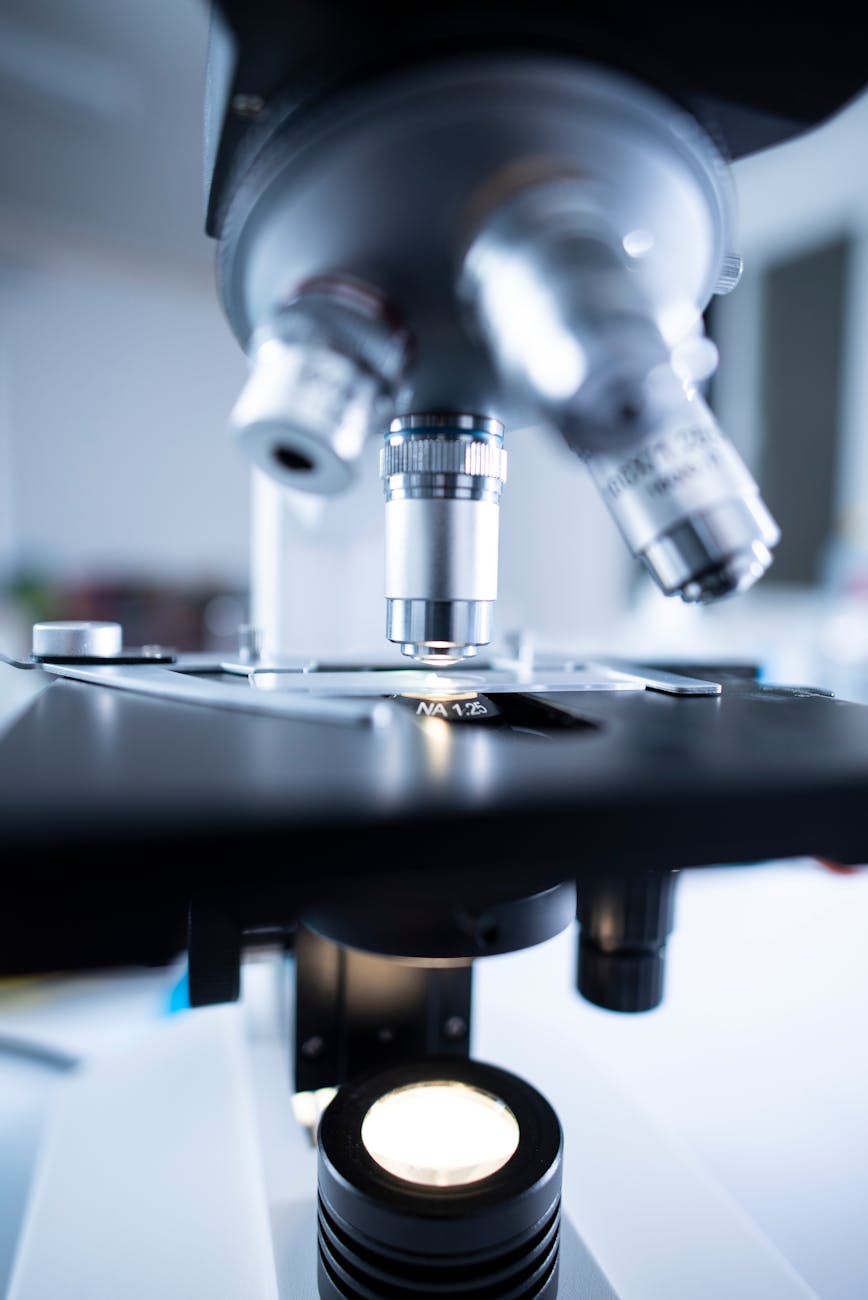
Streptococcal Toxic Shock Syndrome (STSS) Outbreak in Japan: A Growing Concern
Japan is grappling with a rising number of cases and deaths linked to Streptococcal Toxic Shock Syndrome (STSS), a rare but severe bacterial infection. The nation’s Ministry of Health has reported 977 STSS cases as of June 2, 2024, exceeding the previous record set in 1999 and surpassing last year’s total of 97 deaths. The surge in cases has raised alarm among health officials and the public alike, as experts struggle to pinpoint the exact cause of the outbreak.
What is STSS?
STSS is a life-threatening condition caused by the invasion of Group A Streptococcus (GAS) bacteria into deep tissues and the bloodstream. GAS bacteria are commonly associated with mild illnesses like strep throat and skin infections. However, in rare cases, the bacteria can become invasive, producing toxins that trigger a cascade of severe symptoms.
Symptoms and Progression:
Initial symptoms of STSS often resemble those of the flu, including fever, muscle pain, and vomiting. However, the condition can rapidly deteriorate, leading to low blood pressure, swelling, and multi-organ failure. Even with prompt treatment, STSS can be fatal, especially in individuals with underlying health conditions.
Who is at Risk?
While anyone can contract STSS, individuals with weakened immune systems, such as those with diabetes, cancer, or other chronic illnesses, are at higher risk. The outbreak in Japan has affected people of all ages, including children.
Prevention and Treatment:
Currently, there is no vaccine to prevent STSS. Early diagnosis and treatment with antibiotics are crucial for improving outcomes. Practicing good hygiene, such as washing hands regularly and covering wounds, can help reduce the risk of GAS infections.
Unanswered Questions and Ongoing Research:
Despite the rising number of cases, the exact reasons behind the STSS outbreak in Japan remain unclear. Health officials are actively investigating potential factors, including changes in bacterial strains and environmental conditions. Ongoing research aims to shed light on the mechanisms behind GAS infections and develop effective prevention and treatment strategies.
Further Information:
For more information on STSS, you can consult the following resources:
U.S. Centers for Disease Control and Prevention (CDC): https://www.cdc.gov/index.html
World Health Organization (WHO): https://www.who.int
As the situation in Japan unfolds, it is crucial to stay informed and follow the guidance of health authorities. While the outbreak is concerning, it is important to remember that STSS is still a rare condition. By raising awareness and understanding the risks, we can help protect ourselves and our communities.

 SummerSimo Travel Troubles Notes and The Purring Page
Leave a comment