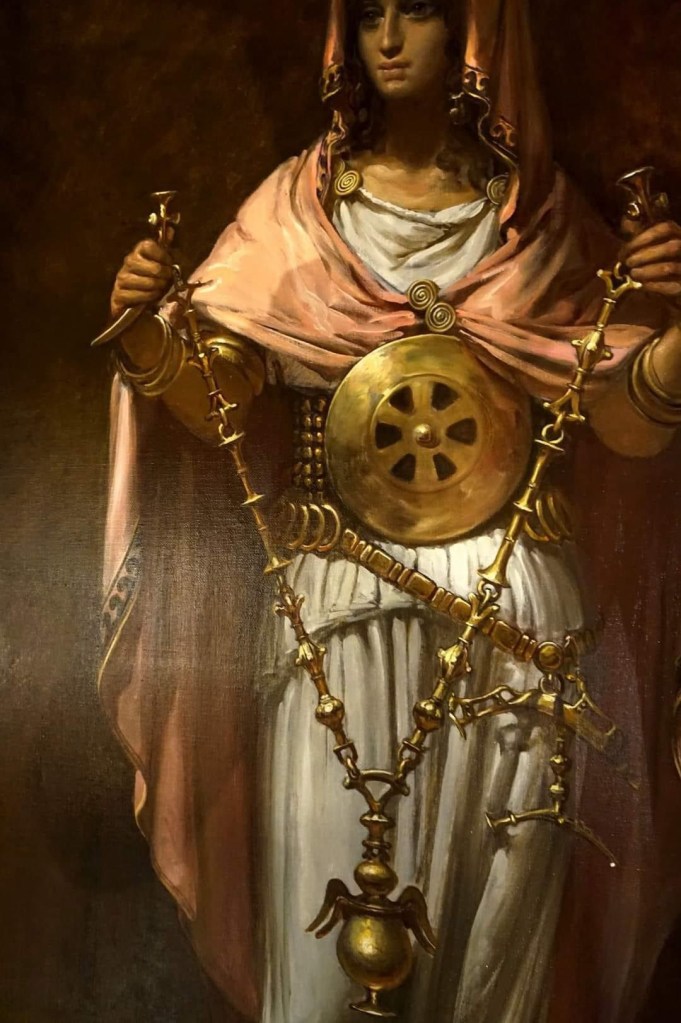
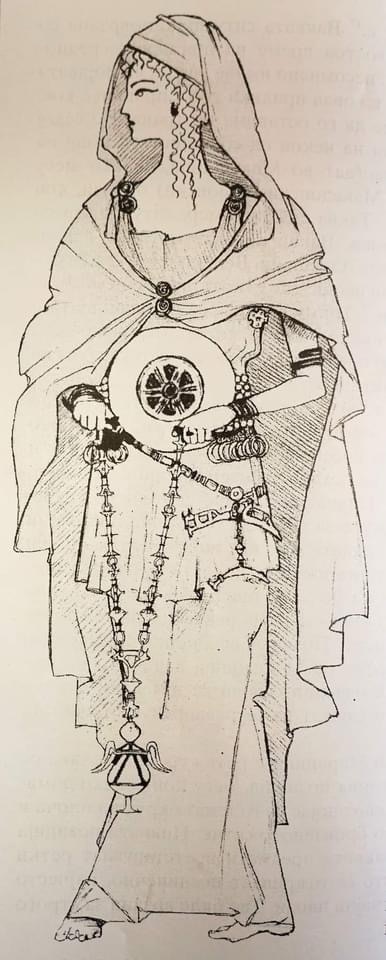
The discovery of the Pajonian priestess at the Lisicin Dol necropolis, located at the Valandov archaeological site in Isar-Marvinci, Macedonia, dates back to the 7th century BC. This finding provides valuable insight into the ancient history of the Macedonian region.
Macedonian Kingdom and the Macedonians:
Historical Context:
- Geographical Location: Ancient Macedonia was located in the northern Greek peninsula, encompassing parts of what are now Greece, North Macedonia, and Bulgaria.
- Early History: The region was initially inhabited by various tribes, including the Paeonians, who lived in the area before the rise of the Macedonian Kingdom.
- Formation of the Kingdom: The Kingdom of Macedon was established around the 8th or 7th century BC. The Argead dynasty, with its legendary founder King Caranus, is traditionally considered the ruling dynasty of early Macedonia.
Significant Developments:
- Rise to Power: Macedonia’s rise began in earnest under the reign of King Philip II (359-336 BC). He reformed the army, introducing the phalanx infantry formation, and expanded the kingdom’s territory through diplomacy and warfare.
- Alexander the Great: Philip II’s son, Alexander the Great, further elevated Macedonia’s status by creating one of the largest empires in history, stretching from Greece to Egypt and into northwest India. His conquests spread Greek culture and influence throughout these regions, a period known as the Hellenistic Era.
Culture and Society:
- Religion: Ancient Macedonians practiced polytheism, worshiping gods from the Greek pantheon. The discovery of the Pajonian priestess suggests a complex spiritual and religious structure within the region, possibly indicating local deities or cults.
- Language and Identity: The Macedonian language was a dialect of Greek, and the people identified themselves as Greeks. However, their distinct culture and political ambitions often set them apart from other Greek city-states.
Archaeological Significance:
- Valandov Site: The Lisicin Dol necropolis at the Valandov archaeological site provides critical evidence of the region’s ancient history. Discoveries like the Pajonian priestess offer insights into the religious practices, burial customs, and societal structures of the time.
- Isar-Marvinci: This site has yielded numerous artifacts, including pottery, jewelry, and inscriptions, shedding light on the daily life and cultural practices of ancient Macedonians.
Conclusion:
The discovery at Lisicin Dol necropolis enriches our understanding of the ancient Macedonian Kingdom and its predecessors. The Macedonian Kingdom, under leaders like Philip II and Alexander the Great, played a pivotal role in shaping the cultural and political landscape of the ancient world. The archaeological findings in Macedonia continue to reveal the rich and diverse heritage of this historically significant region.

 SummerSimo Travel Troubles Notes and The Purring Page
Leave a comment