Favignana Island, part of the Aegadian Islands situated off the western coast of Sicily, Italy, is known for its stunning natural beauty, rich history, and vibrant cultural traditions. One of the island’s unique cultural aspects is the tradition surrounding Casper flowers, which adds a special charm to its heritage.
Historical Background
Favignana has a long and fascinating history dating back to ancient times. The island was known to the Phoenicians and Greeks and later became part of the Roman Empire. Its strategic location made it a valuable asset, and it was often contested by various powers, including the Arabs, Normans, and Spanish.
In the 19th century, Favignana became famous for its tuna fisheries, particularly the “tonnara,” a traditional method of tuna fishing that has been practiced for centuries. The Florio family, a prominent Sicilian family, played a significant role in developing the tuna industry on the island, building one of the largest and most modern tuna processing plants of the time.
Casper Flowers: Tradition and Symbolism
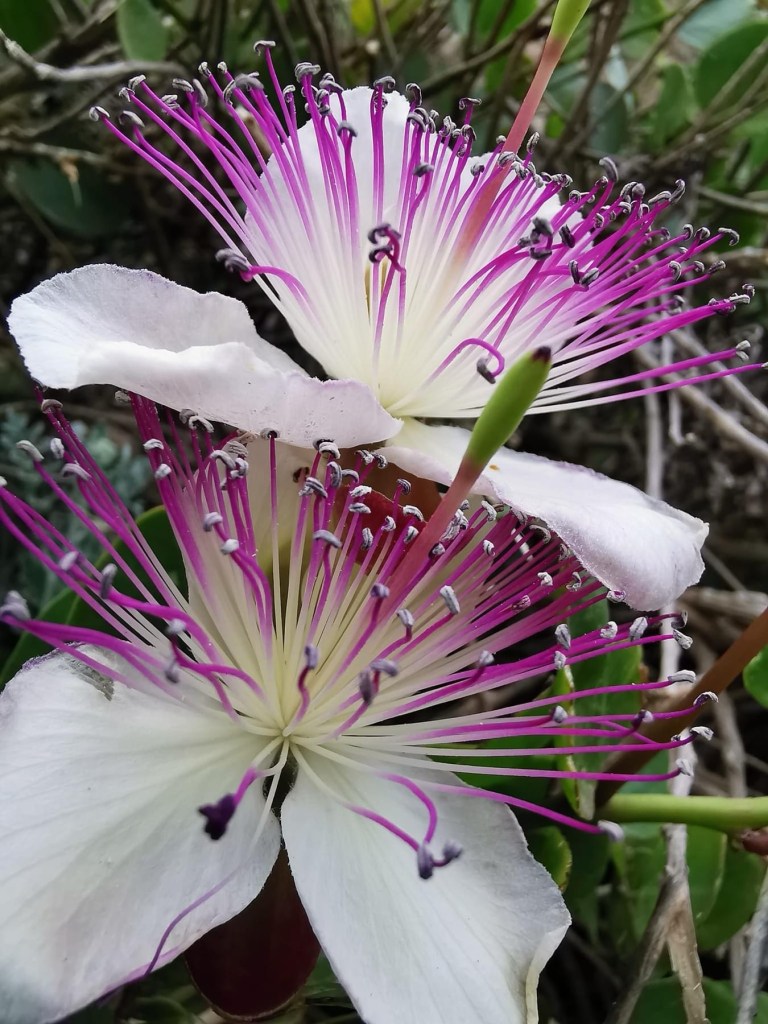
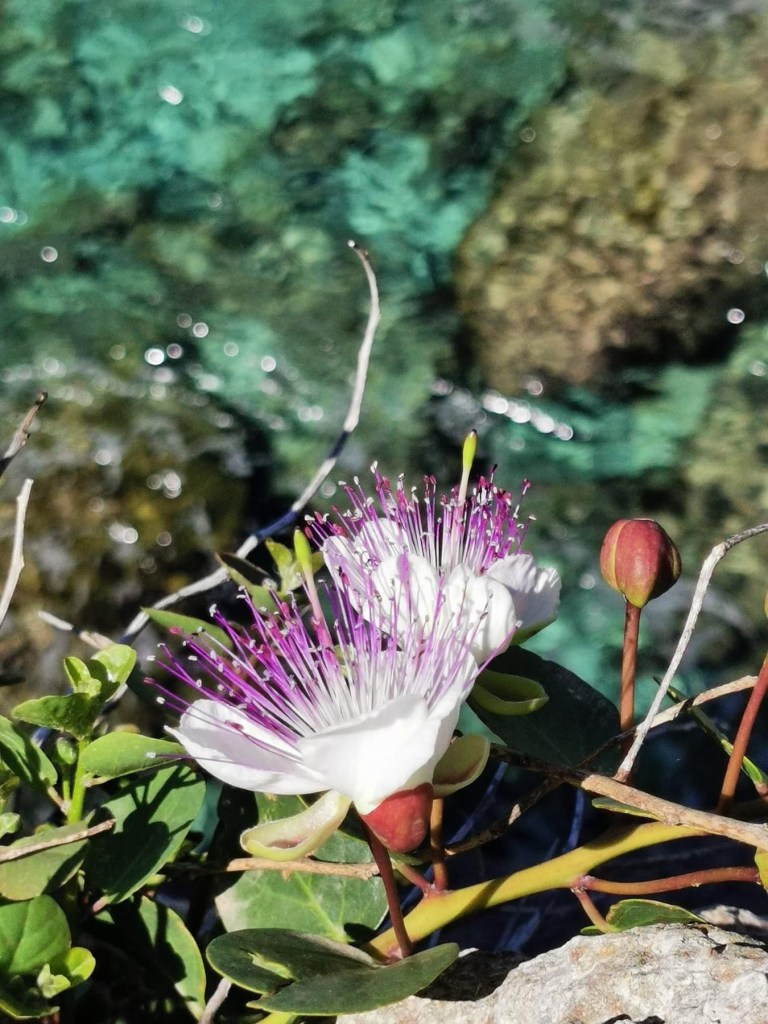
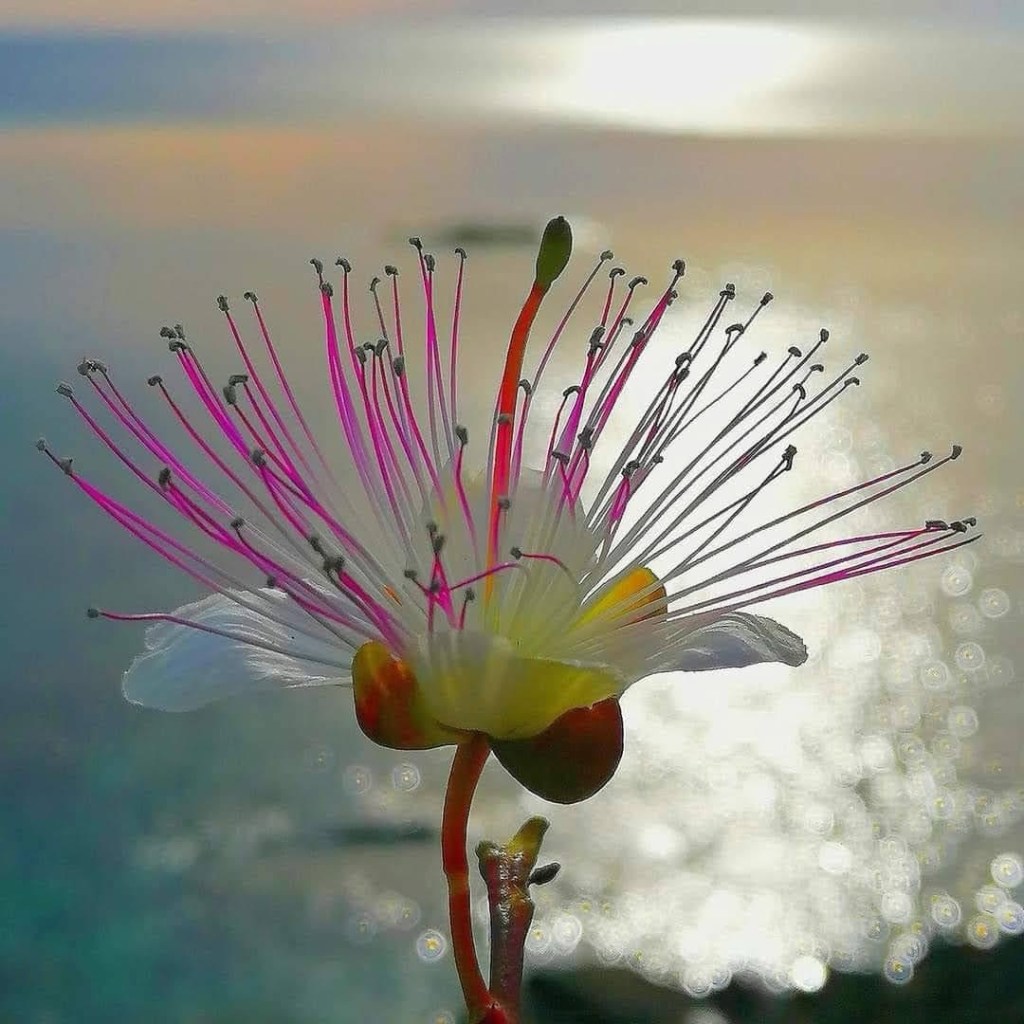
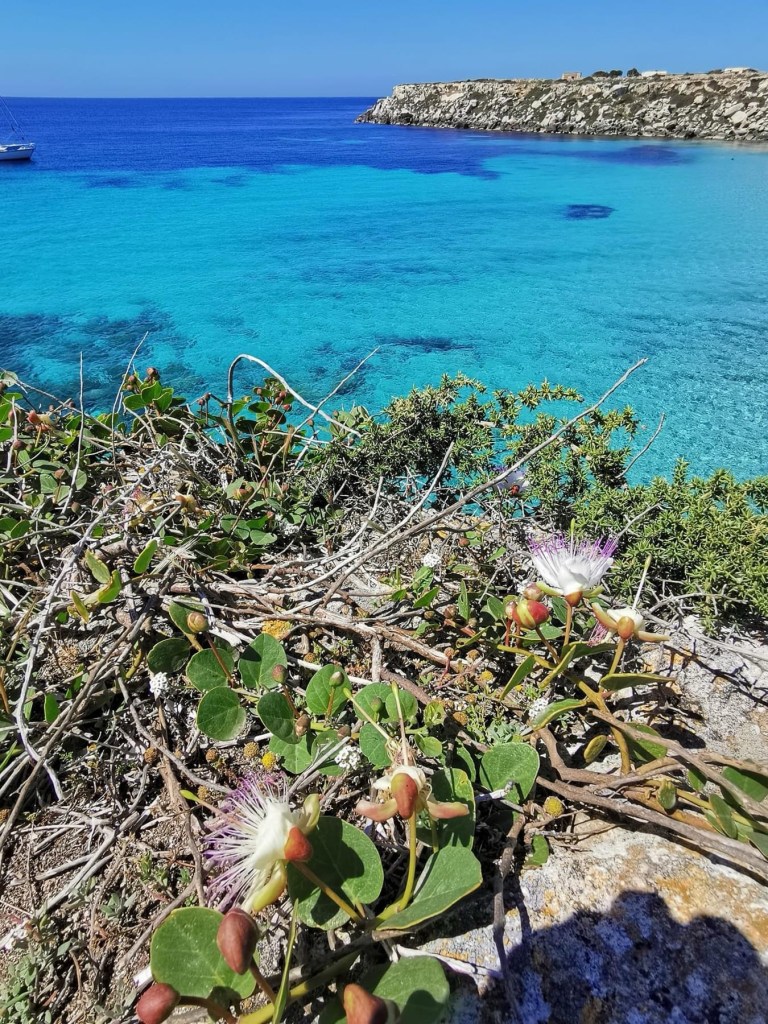
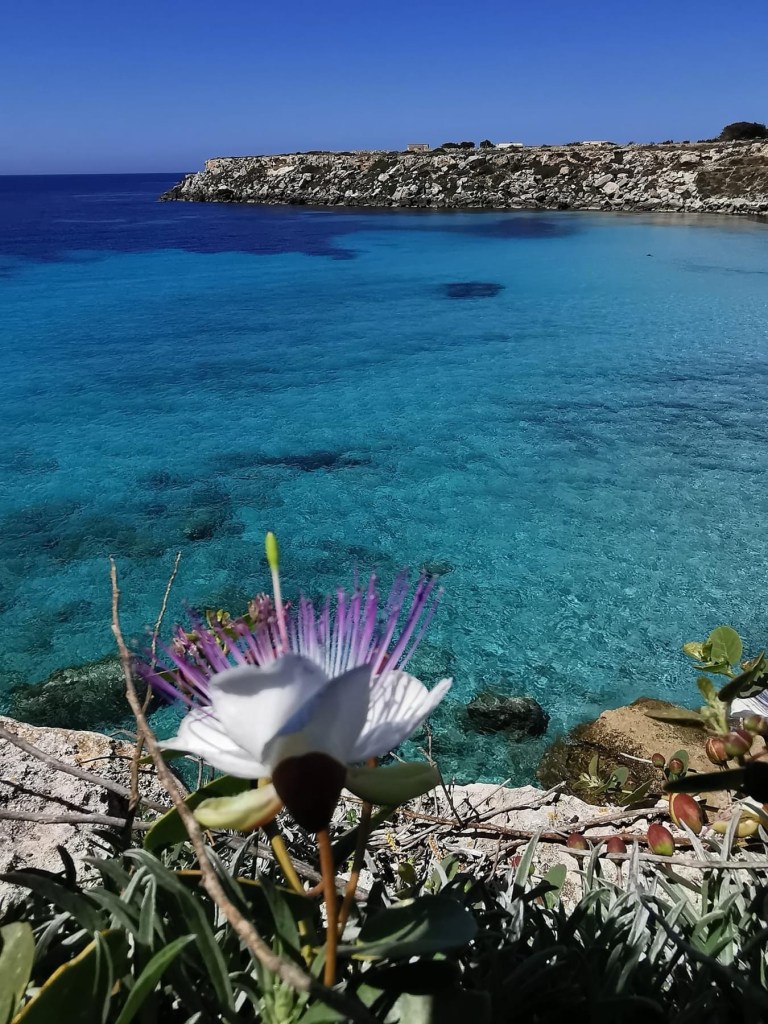
Casper flowers, also known as “fiore di Casper” or “Casparis,” are a unique and beautiful part of Favignana’s natural and cultural landscape. These flowers are typically found in the wild and are celebrated by the local community for their vibrant colors and delicate beauty.
- Cultural Significance: Casper flowers hold a special place in the hearts of the island’s inhabitants. They are often associated with local legends and stories, symbolizing resilience and beauty in the face of adversity. According to one popular legend, the flowers are named after a local hero who defended the island from invaders.
- Traditional Uses: The flowers are used in various local traditions and celebrations. They are often woven into garlands and wreaths for festivals and religious ceremonies. The vibrant blooms are also used to decorate homes and public spaces during special occasions.
Culture and Traditions of Favignana
Favignana’s culture is a rich tapestry woven from its historical influences, maritime heritage, and natural beauty.
- Tuna Fishing (Tonnara):
- The Mattanza: One of the most significant traditional events on the island is the “Mattanza,” a ritualistic tuna fishing event that takes place in May and June. This ancient practice involves a complex system of nets and boats to catch large schools of tuna. Though the practice has declined due to modern fishing methods, it remains an important cultural symbol and is sometimes reenacted for educational and touristic purposes.
- Festivals and Celebrations:
- Feast of Saint Joseph: The Feast of Saint Joseph (Festa di San Giuseppe) is one of the most important religious celebrations on the island. It includes processions, traditional music, and feasting, reflecting the strong Catholic heritage of the community.
- Sea Festival: The Sea Festival (Festa del Mare) celebrates Favignana’s maritime heritage with boat races, seafood feasts, and cultural performances. It is a time of communal joy and pride in the island’s history.
- Local Cuisine:
- Seafood: Favignana’s cuisine is heavily influenced by its maritime environment. Fresh seafood, particularly tuna, is a staple. “Bottarga” (cured fish roe) and “sarde a beccafico” (stuffed sardines) are popular local dishes.
- Traditional Recipes: Traditional recipes are passed down through generations, preserving the island’s culinary heritage. Dishes often feature locally sourced ingredients like capers, olives, and fresh herbs.
- Art and Craftsmanship:
- Handicrafts: The island is known for its artisanal crafts, including pottery, woven baskets, and intricate lacework. These crafts are often sold in local markets and serve as a testament to the island’s artistic traditions.
- Casper Flower Art: Local artisans create beautiful artwork and decorations using Casper flowers, showcasing their vibrant colors and delicate forms.
Natural Beauty
Favignana is renowned for its stunning natural landscapes, crystal-clear waters, and pristine beaches. The island’s limestone formations create dramatic coastal scenery, and the surrounding marine environment is rich in biodiversity, making it a popular destination for diving and snorkeling.
- Cala Rossa: One of the most famous beaches on the island, Cala Rossa, is known for its striking red rocks and turquoise waters. It is a favorite spot for both locals and tourists.
- Marine Reserve: The Aegadian Islands Marine Reserve protects the unique marine ecosystem around Favignana, ensuring the conservation of its natural beauty and biodiversity.
Favignana Island, with its captivating history, rich cultural traditions, and stunning natural beauty, is a true gem of the Mediterranean. The tradition of Casper flowers adds a unique and colorful dimension to the island






 SummerSimo Travel Troubles Notes and The Purring Page
Leave a comment