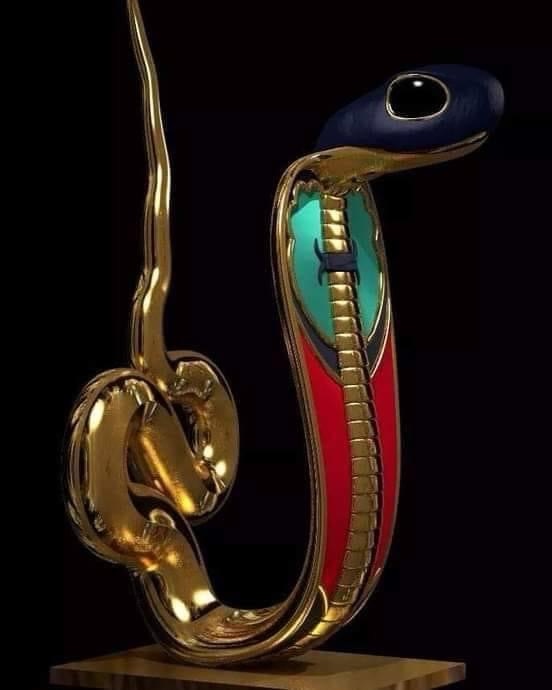
The Golden Uraeus is a significant artifact, emblematic of royal power and divine protection in ancient Egypt. The Uraeus, a stylized representation of a rearing cobra, was often affixed to the headdresses of pharaohs and gods, symbolizing sovereignty, royalty, and divine authority.
King Senusret II, the fourth pharaoh of the 12th Dynasty, ruled during a period of prosperity and stability in the Middle Kingdom. His reign is noted for major developments in art, architecture, and agriculture, including extensive irrigation projects that enhanced the fertility of the Faiyum region.
The pyramid complex at Lahun, where the Golden Uraeus was discovered, is one of the most well-preserved from the Middle Kingdom. Flinders Petrie’s excavation at the site unearthed many valuable artifacts, shedding light on the burial practices and material culture of the period.
The Egyptian Museum in Cairo, where the Golden Uraeus is now displayed, houses one of the world’s most extensive collections of ancient Egyptian antiquities. The museum’s collection includes treasures from various periods of Egyptian history, providing invaluable insights into the civilization’s rich heritage.

 SummerSimo Travel Troubles Notes and The Purring Page
Leave a comment