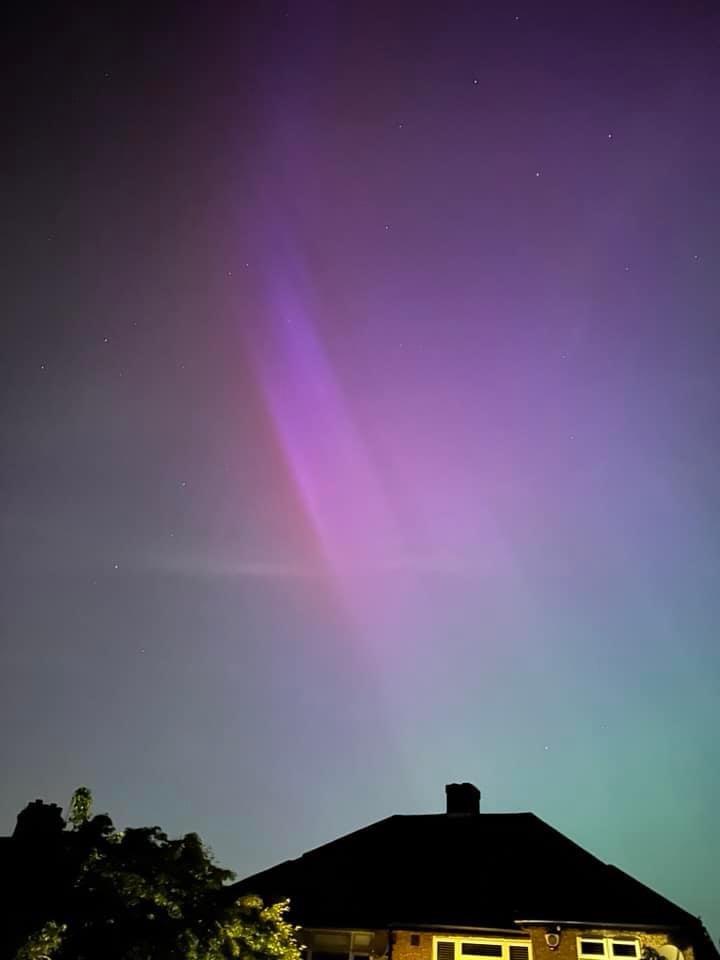
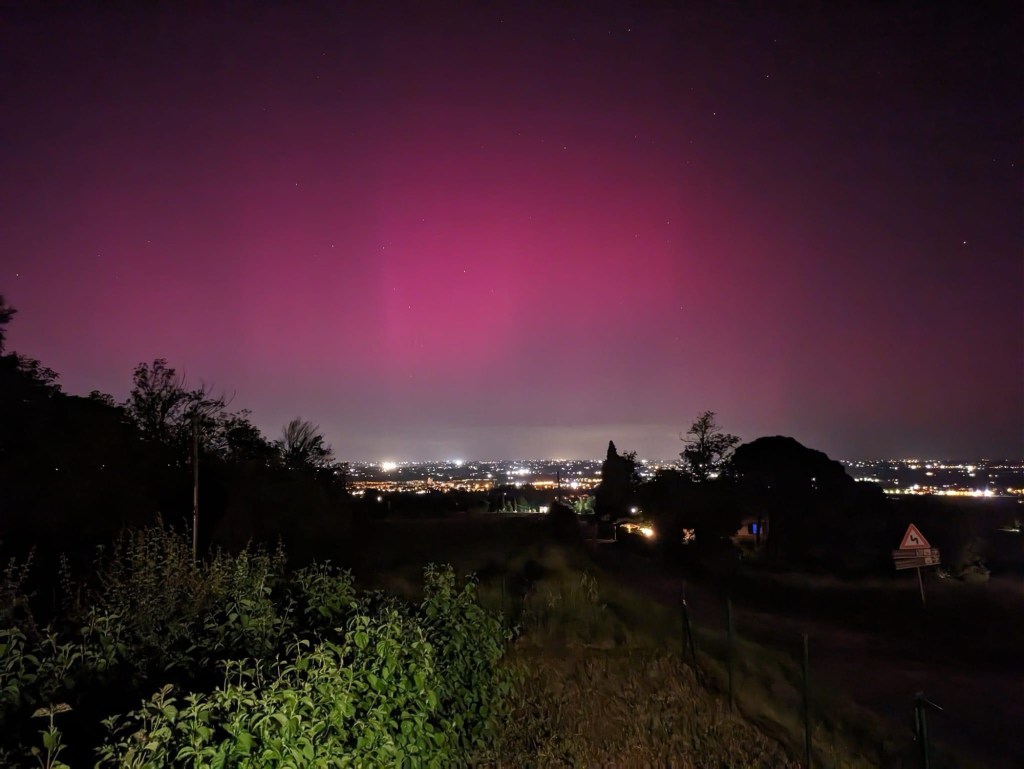
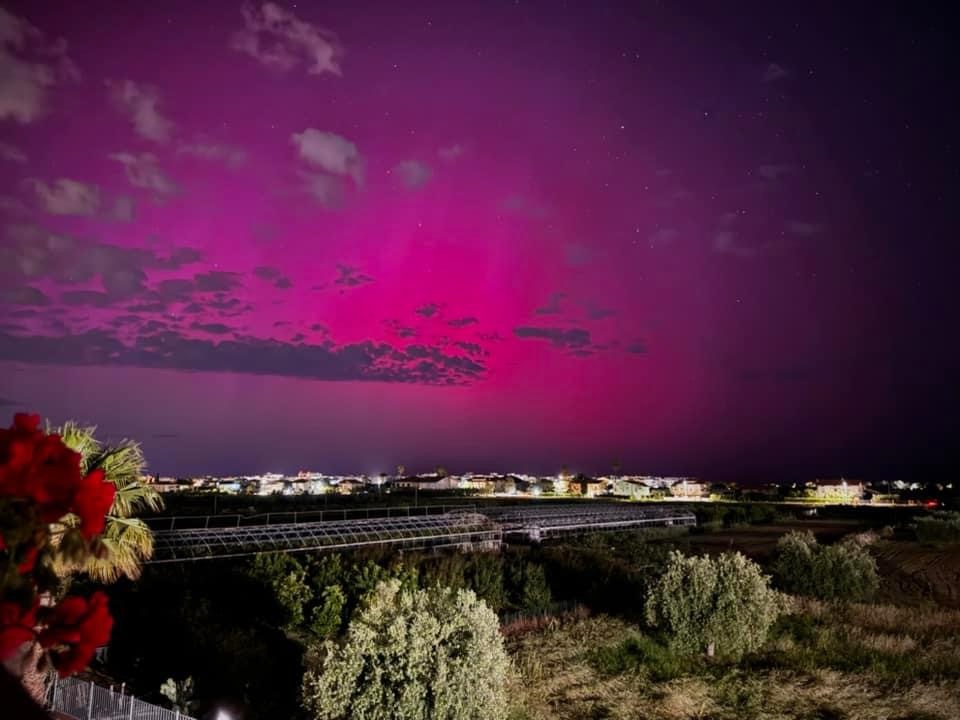
The Northern Lights, also known as the Aurora Borealis, are a natural light display predominantly seen in the high-latitude regions around the Arctic and Antarctic. These lights are the result of collisions between gaseous particles in the Earth’s atmosphere and charged particles released from the sun’s atmosphere. The variations in color are due to the type of gas particles that are colliding. The most common auroral color, a pale green, is produced by oxygen molecules located about 60 miles above the earth. Rare, all-red auroras are produced by high-altitude oxygen, at heights of up to 200 miles. Nitrogen produces blue or purplish-red aurora.
The best time to view the Northern Lights in the Arctic or sub-Arctic regions is from late September to early April, with peak visibility during the equinoxes. The phenomenon isn’t just confined to the northern latitudes; the Southern Lights or Aurora Australis can be observed in the southern hemisphere, but these occurrences are less accessible to the majority of the world’s population.
Viewing the Northern Lights is on many people’s bucket lists, and there are numerous travel destinations famous for their aurora viewing, including Norway, Sweden, Finland, Iceland, and parts of Canada and Alaska in the United States.

 SummerSimo Travel Troubles Notes and The Purring Page
Leave a comment