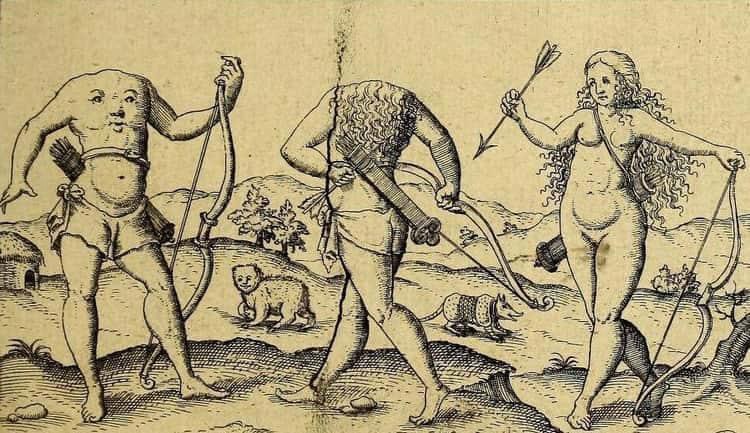
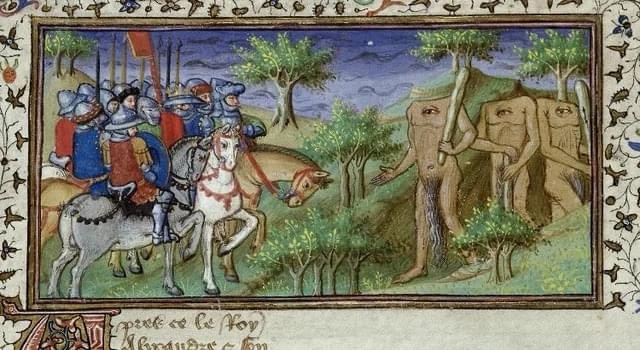
The Blemmyai, also known as Blemmyes in some accounts, were mythical or legendary people described by various ancient and medieval sources, most famously by Herodotus, a Greek historian. According to these ancient descriptions, the Blemmyai were a tribe believed to inhabit parts of North Africa, particularly around Libya and the Sahara Desert. They were characterized as being headless, with their faces—eyes, noses, and mouths—instead located on their chests. This distinct and fantastical feature captured the imagination of many ancient and medieval writers, leading to various mentions and depictions in literature and maps of the time.
Herodotus, writing in the 5th century BCE, provides one of the earliest references to such creatures in his work “Histories.” He situates them in a context of describing the marvels and monstrous races believed to inhabit the far reaches of the known world. In his narrative, the Blemmyai are part of a catalogue of wondrous and often fantastical beings said to live in the more remote and less understood regions of Africa, alongside other creatures like giant snakes, lions, elephants, and even dog-headed men (Cynocephali).
The accounts of the Blemmyai, like those of many other mythical races in antiquity, reflect the fascination with the unknown and the monstrous that characterized ancient explorations and understandings of the world. These stories often served to symbolize the dangers and mysteries of distant lands and were a testament to the limits of the known world at the time. Over the centuries, the Blemmyai continued to be a subject of curiosity, appearing in various works of geography, travel, and fiction, evolving into a symbol of the exotic and the monstrous in the medieval imagination.



 SummerSimo Travel Troubles Notes and The Purring Page
Leave a comment