Thomas Gray’s poem “The Bard”, published in 1757, tells a story of a confrontation between the English conqueror Edward I and the last Bard of Wales. Edward has ordered the Welsh bards put to death in order to suppress their telling of history. The Bard curses Edward and prophesies his ultimate defeat upon the return of Welsh rule, before throwing himself into the river Conway, a final act of defiance. The poem became extremely popular, helping to create an idea of Welsh mountains as synonymous with liberty. – The Yale Center for British Art
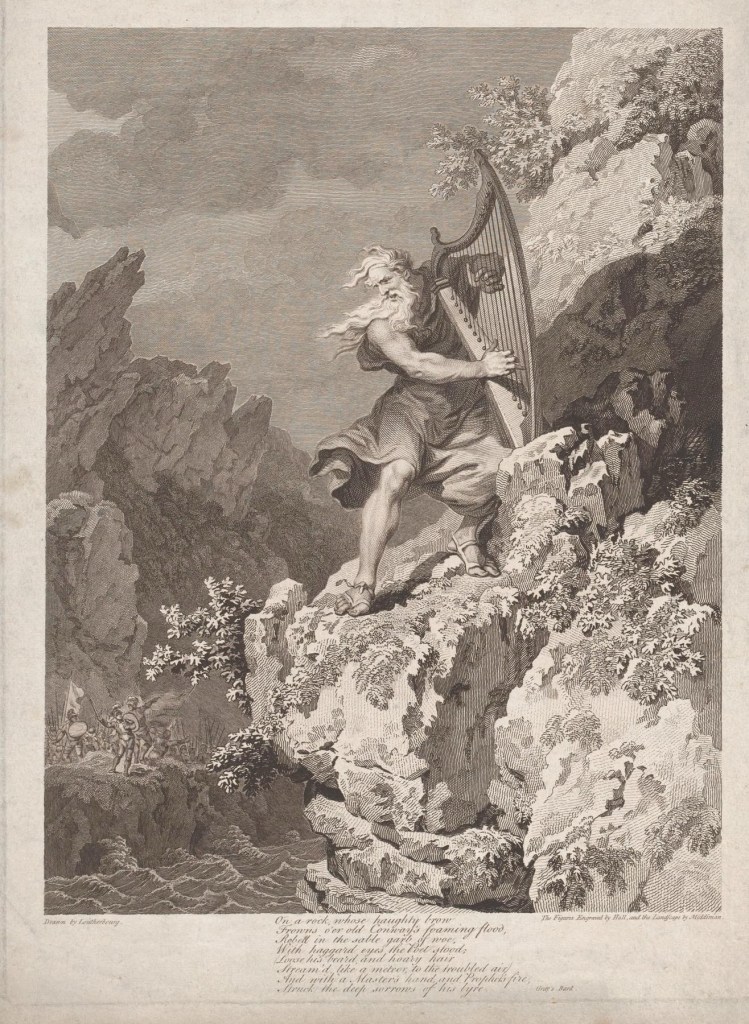
Image 1: “The Bard” 1748 by J. Loutherbourg
This print was made as a frontispiece for Edward Jones’s “Musical and Poetical Relations of the Welsh Bards.”
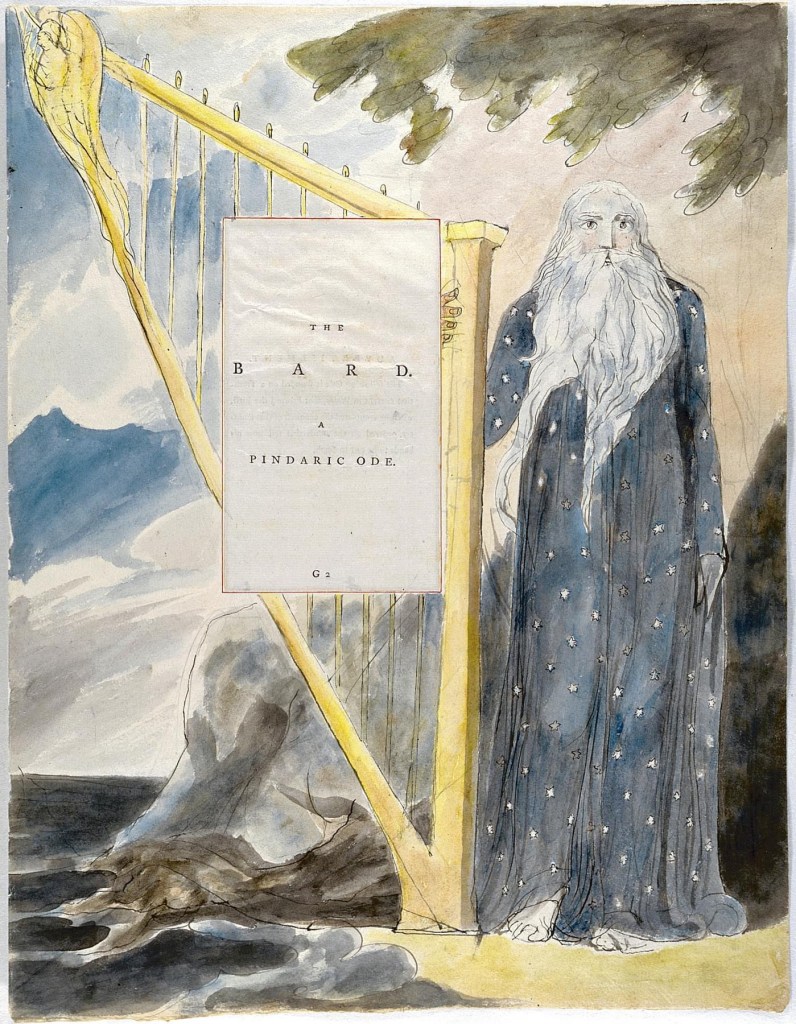
Image 2 : Painted by William Blake between 1797-1798
In 1797 and 1798, the visionary artist William Blake created a series of exquisite illustrations to accompany Gray’s text. Some of the most vivid images highlight the narrative trajectory of the poem. The title page presents a composed Bard, draped in robes and holding his harp. As the poem progresses, the Bard develops a frenetic energy, his hair wild and his eyes lit with passion. The final page shows the Bard, barely colored, almost a force of nature, committing suicide in the Conwy.
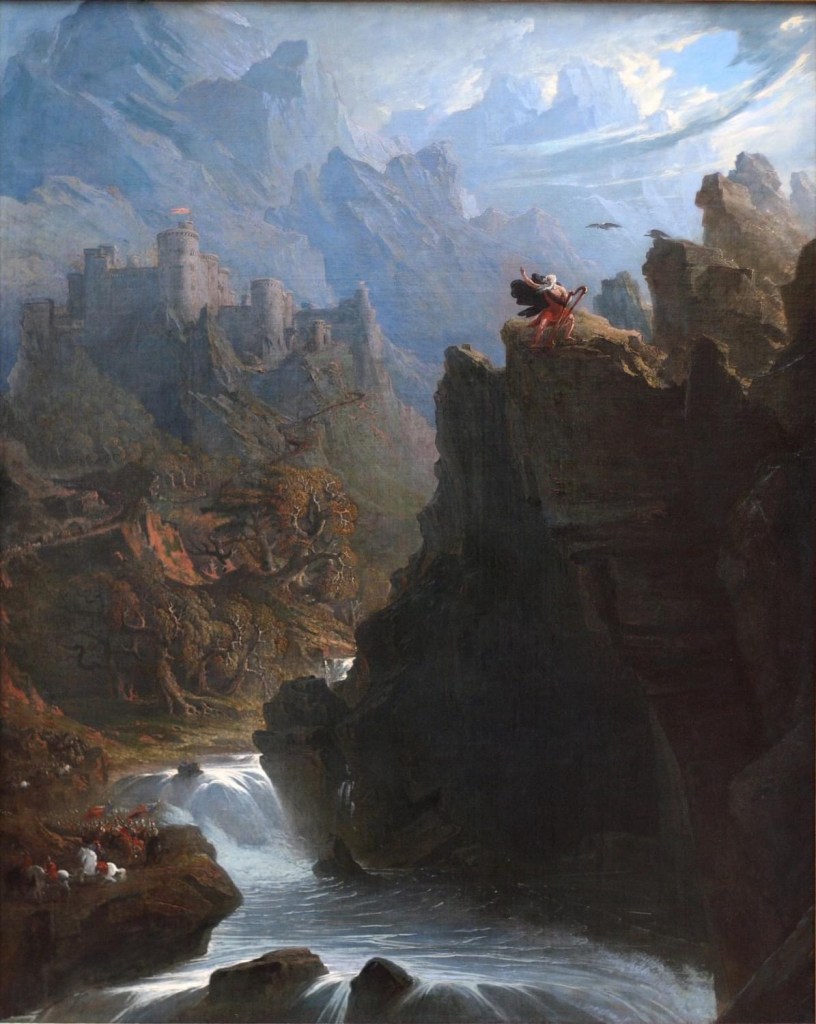
Image 3 : “The Bard” c.1817 by John Martin
Painted around 1817, at the height of the Romantic movement, John Martin’s version of The Bard unites the drama of the poem by Thomas Gray, published in 1757, with a vision of sublime landscape. The Bard stands amid an overwhelming and powerful landscape with ominous clouds, a raging river, and dramatic cliffs evoking the sublime, a combined sense of awe and terror, in the viewer. The Bard’s disproportionate size, particularly in comparison to the advancing troops of Edward I below, makes him seem an element of the landscape, a landmark in his own right.
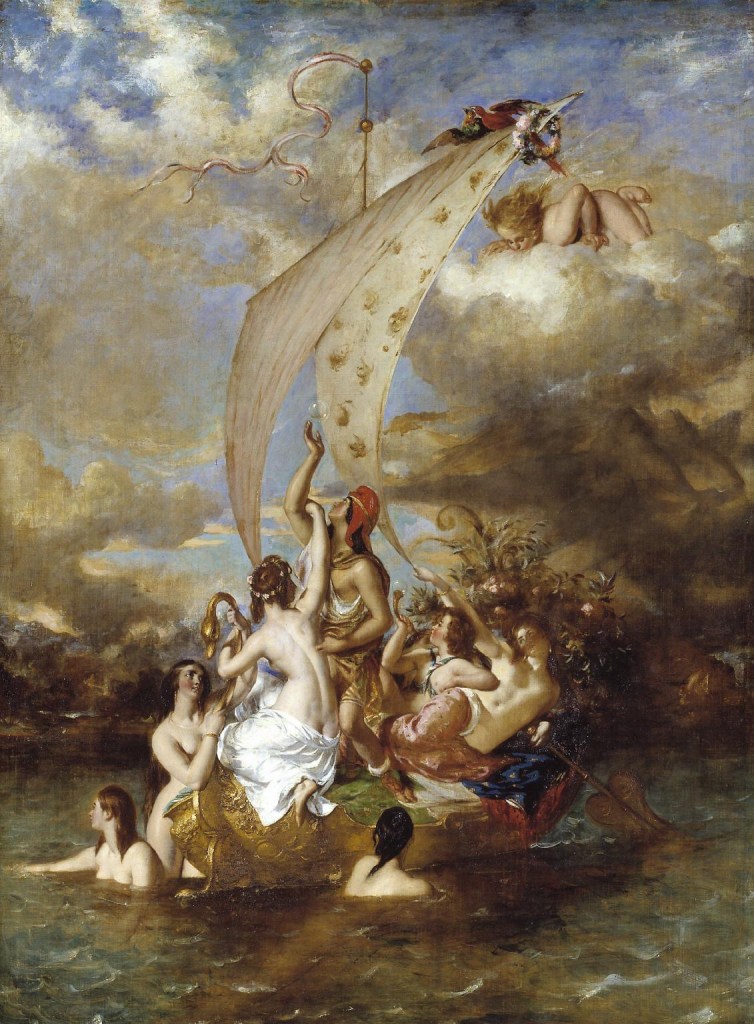
Image 4 : “Youth on the Prow, and Pleasure at the Helm”. Painted in the 1830s by William Etty
The painting was inspired by a metaphor in the poem The Bard in which the apparently bright start to the notorious misrule of Richard II of England was compared to a gilded ship whose occupants are unaware of an approaching storm.

 SummerSimo Travel Troubles Notes and The Purring Page
Leave a comment