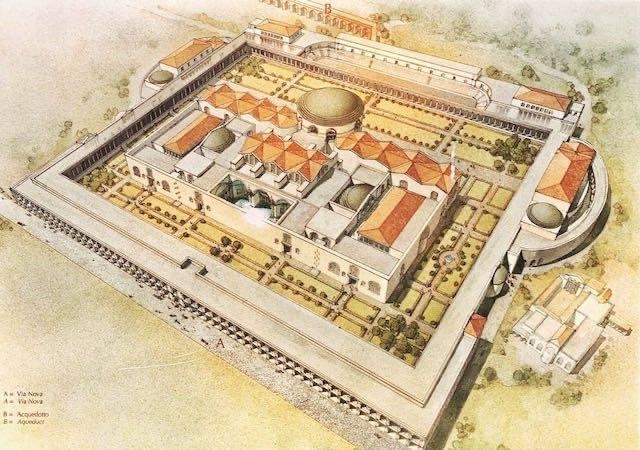
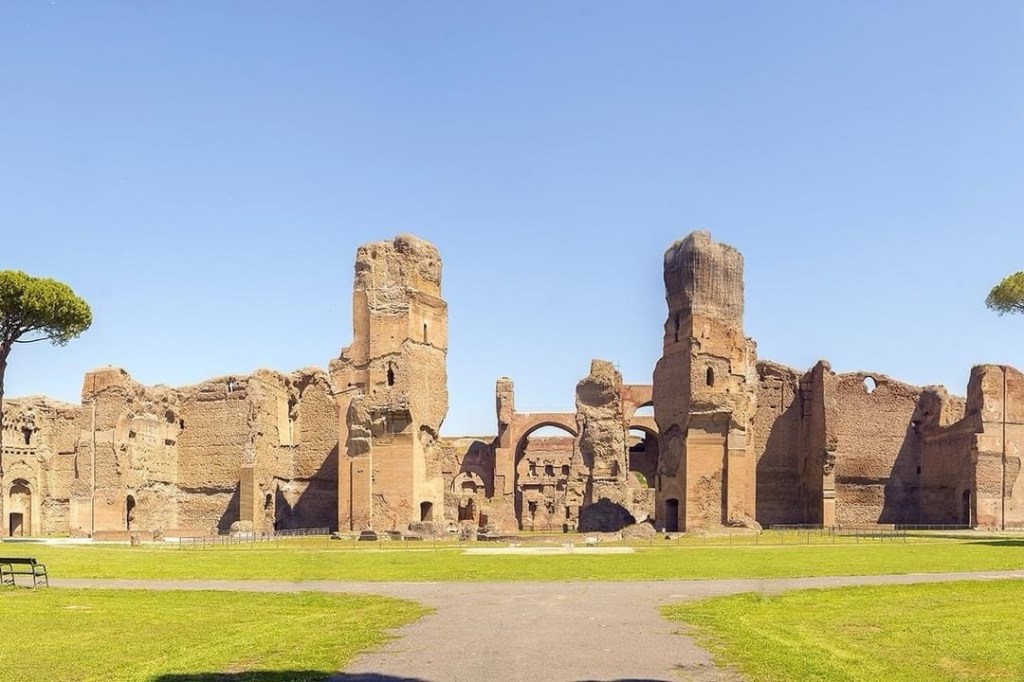
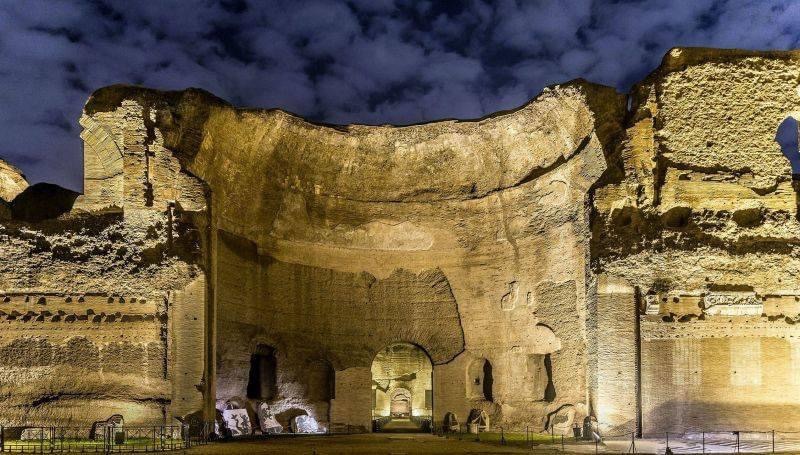
The Baths of Caracalla, the second largest baths complex in ancient Rome, were built between 212 and 219 AD by the emperor Marcus Aurelius Antoninus, better known by his nickname Caracalla.
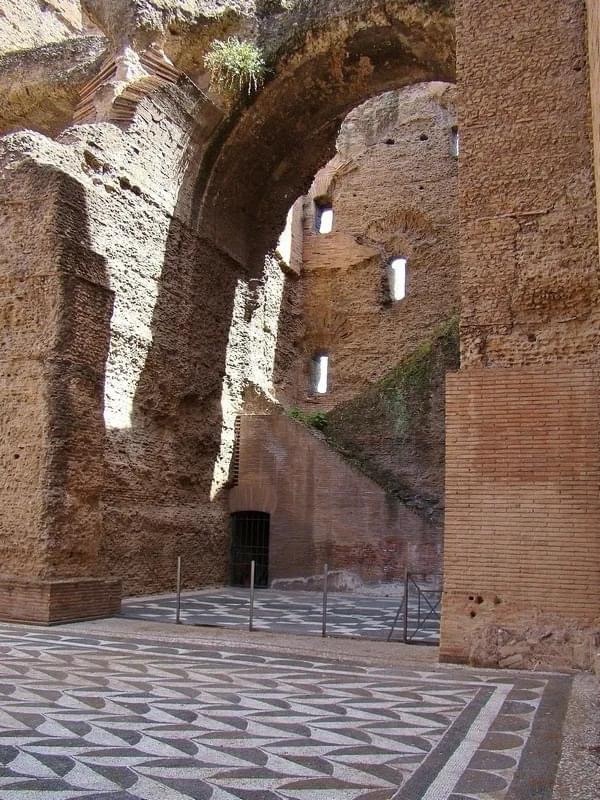
These baths were the most extensive of any surviving Roman bathing establishments and consist centrally of a block of large vaulted bath chambers covering an area of 750 by 380 feet (230 by 115 metres), with courts and auxiliary rooms, surrounded by a garden with space used for exercise and games.
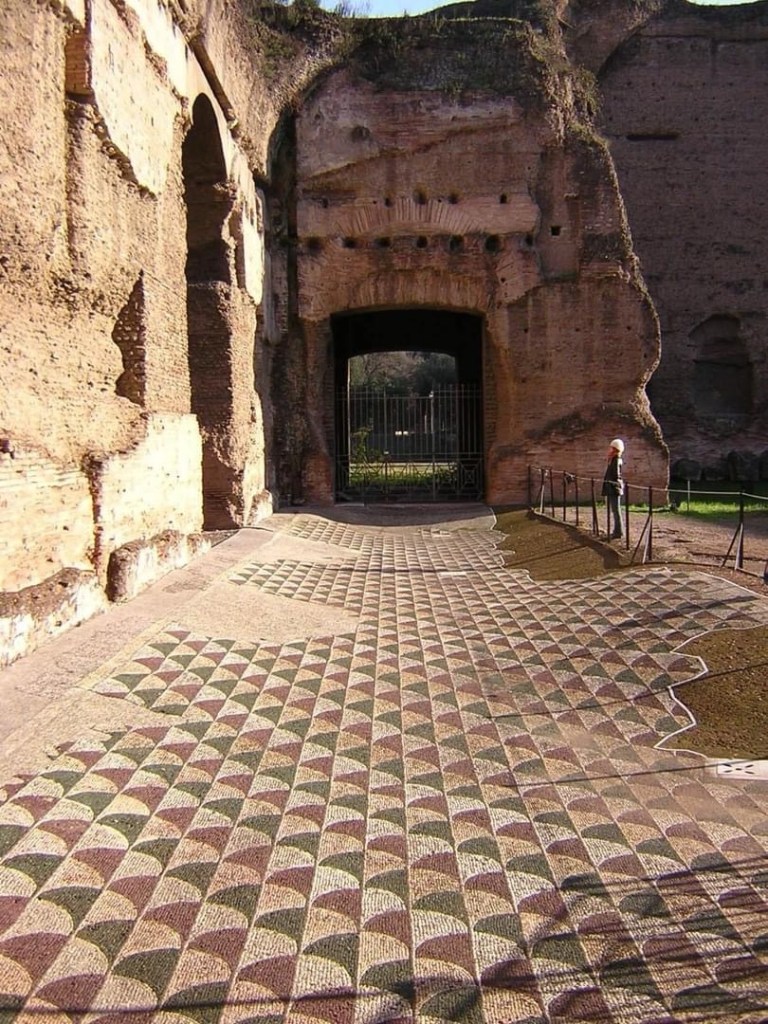
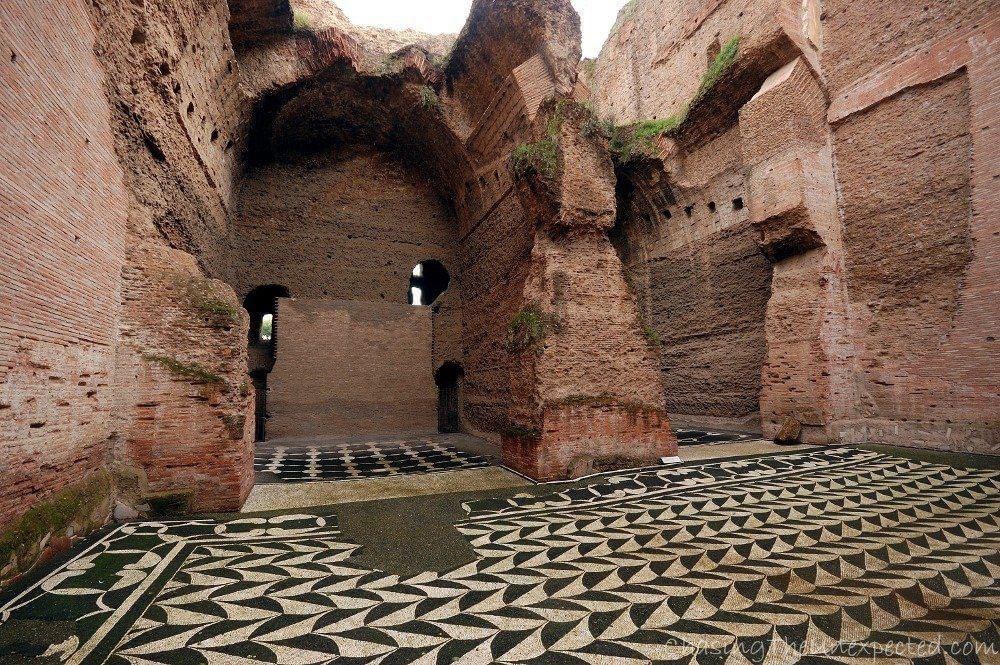
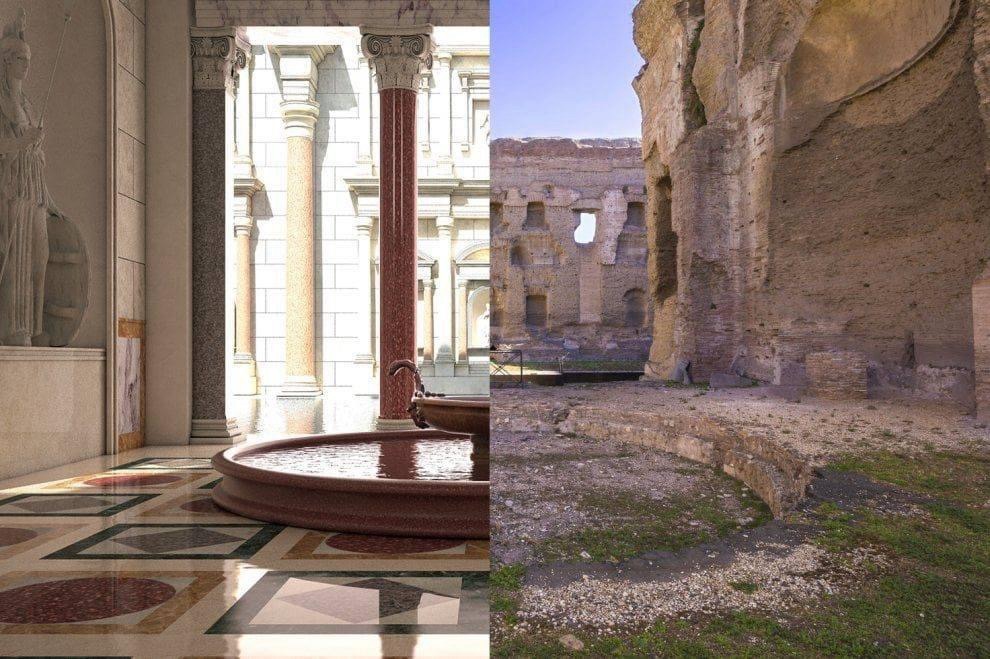
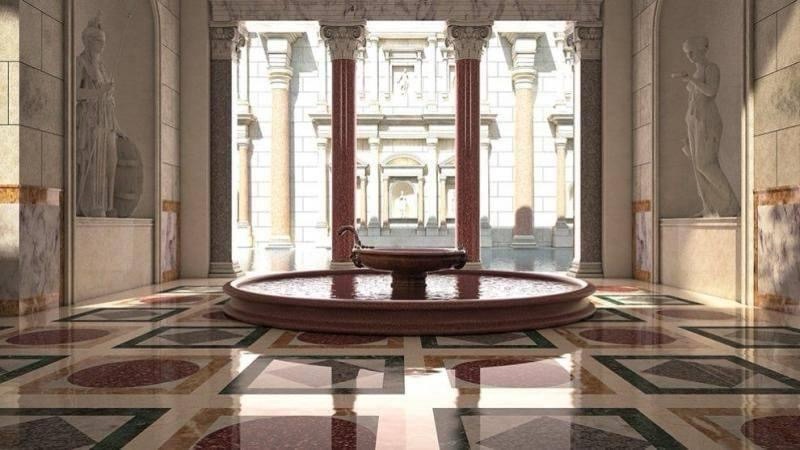
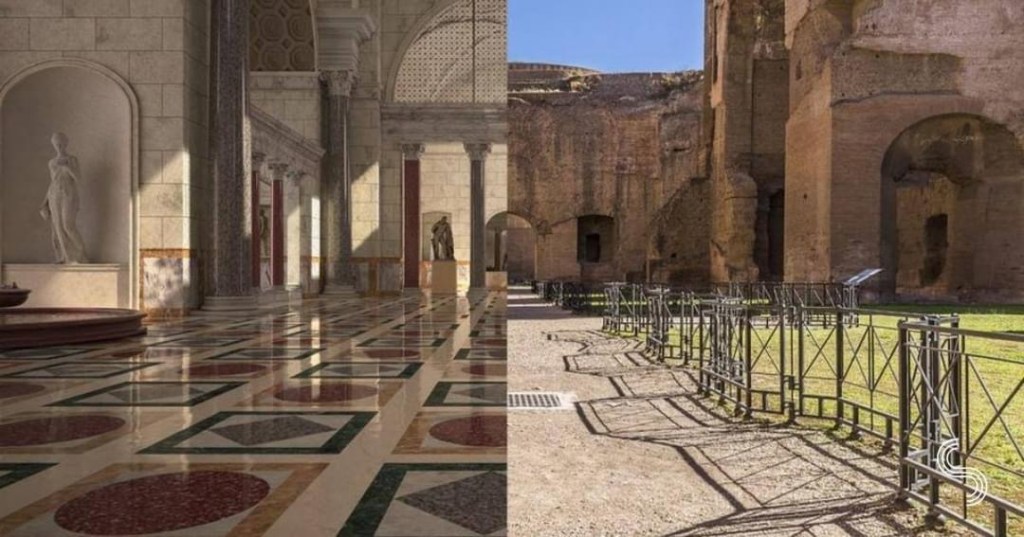
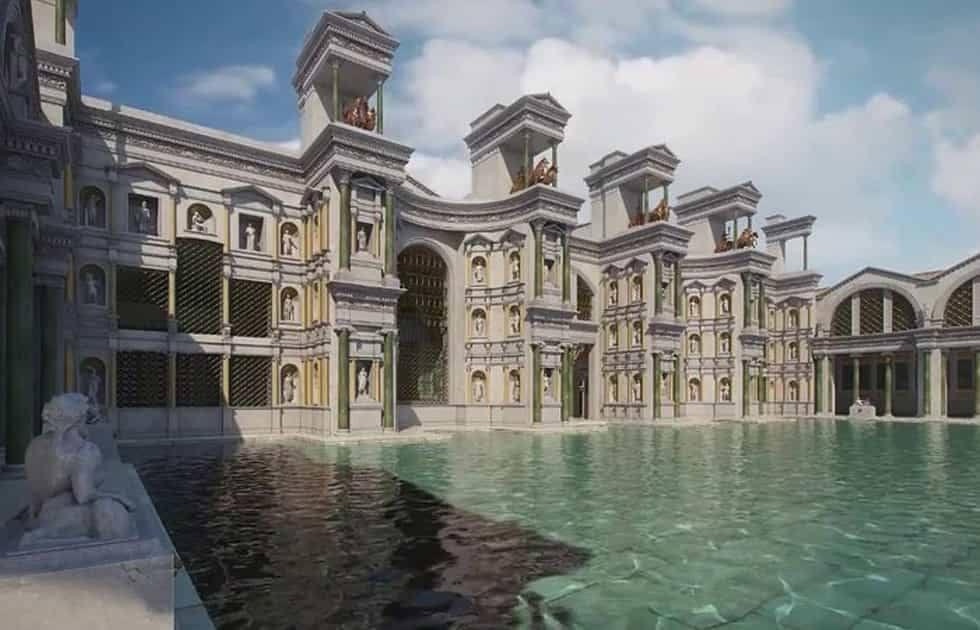
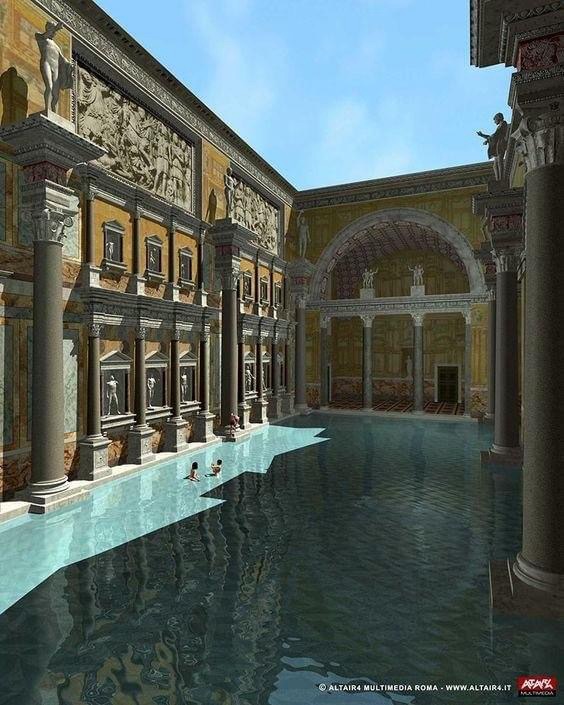
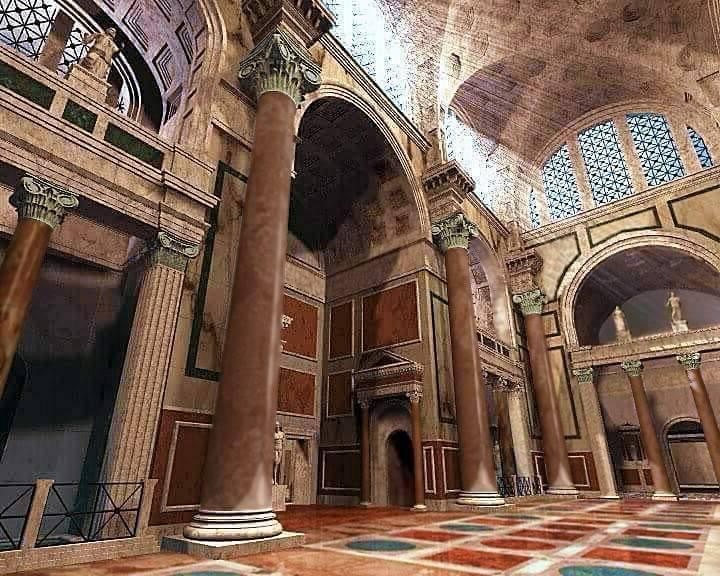
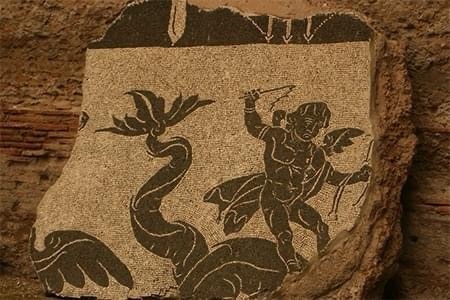
There were three main bath chambers: the frigidarium, or cold room; the caldarium, or hot room; and the tepidarium, or lukewarm room. Between the frigidarium and the tepidarium was the great hall, roofed by an enormous vault with clerestory windows, There were also large open-air swimming pools. Marble was used lavishly, and sculpture, mosaics, frescoes, and other decorations ornamented the interior.
By the 3rd century AD the Romans had built many baths, in Rome and elsewhere, and had acquired great skill in designing functional, fully integrated complexes. The water supply and drainage system, in particular, required careful planning to ensure an adequate flow to and from the numerous hot and cold basins: it has been calculated that the baths used 15-20,000 cubic meters of water per day.
The baths were fed by a branch of the Aqua Marcia aqueduct, which brought pure water to Rome from springs in the hills near Subiaco, over 90 km away. The water flowed into a huge cistern, divided into 18 separate chambers for easy maintenance and with a total capacity of 10,000 cu. m. From here it went by gravity flow through pipes underneath the gardens to the main building. Inside the main building, a complicated distribution system carried the water directly to the cold pools or to boilers over wood fires where it was heated for the warm and hot baths.
Outlets from each basin and in the floor of each room led to the drains, which ran below the level of the distribution pipes and took the waste water to the municipal drain in the valley. Both distribution and drainage pipes were housed in tunnels providing easy access for inspection and maintenance. A third network of tunnels was used to store the enormous amounts of wood required to fuel the furnaces (praefurnia): there were at least fifty of these, some to heat the water and others to heat the rooms by a hot air system beneath the floor (hypocausta). Hollow terracotta tubes ran inside the walls to provide insulation and channel hot air.
Sixteen hundred people could bathe here at the same time. There were rooms for cold, hot and warm baths, splendid ceilings, porticoes, pillared halls, gymnasiums, where the rarest marbles, the most colossal columns, and the finest statues were admired by the people; even the baths were of basalt, granite, alabaster.
The Caracalla bath complex of buildings was more a leisure centre than just a series of baths. The baths were the second to have a public library within the complex. Like other public libraries in Rome, there were two separate and equal sized rooms or buildings; one for Greek language texts and one for Latin language texts. The libraries were located in exedrae on the east and west sides of the bath complex. The entire north wall of the complex was devoted to shops. The reservoirs on the south wall of the complex were fed with water from the Marcian Aqueduct.
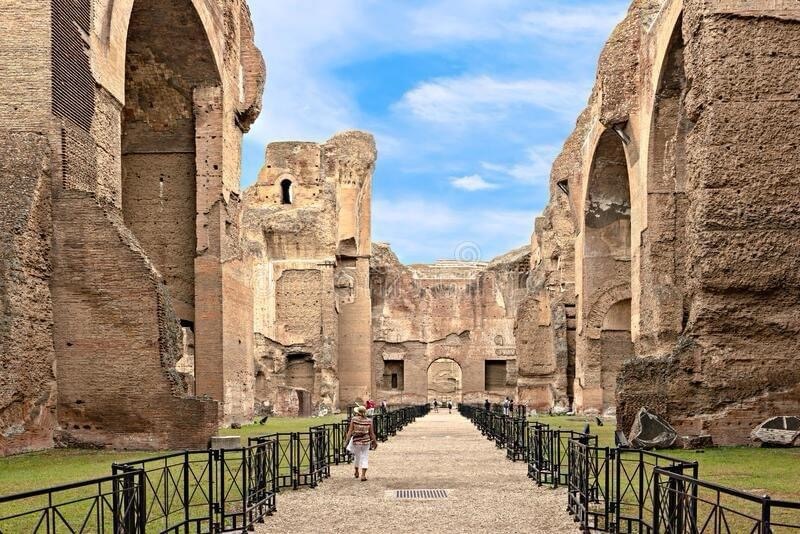
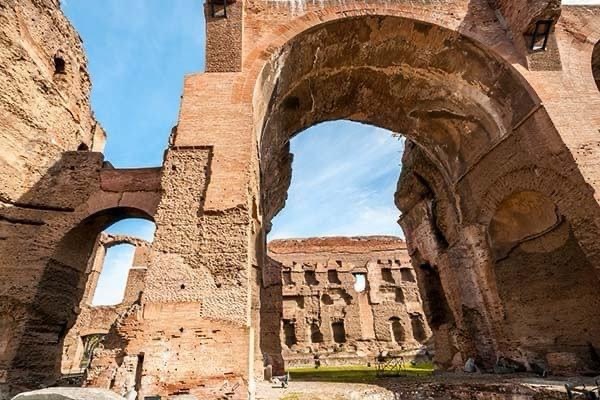
The bath were in operation until the 530s and then fell into disuse and ruin
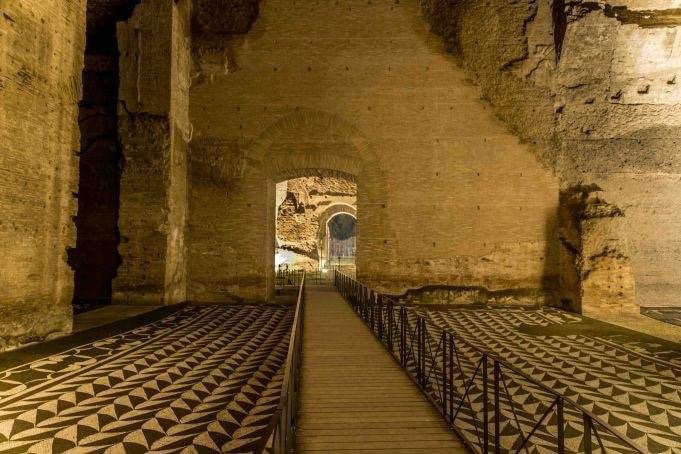
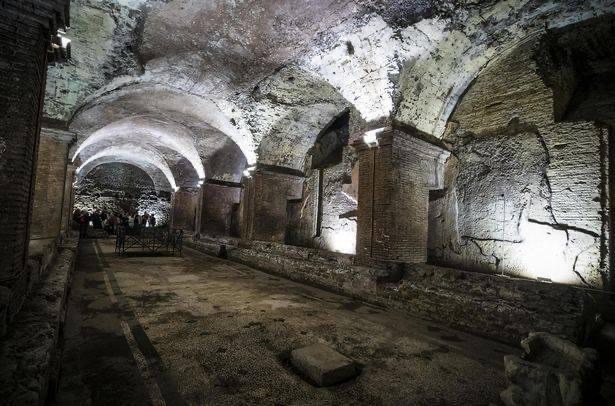
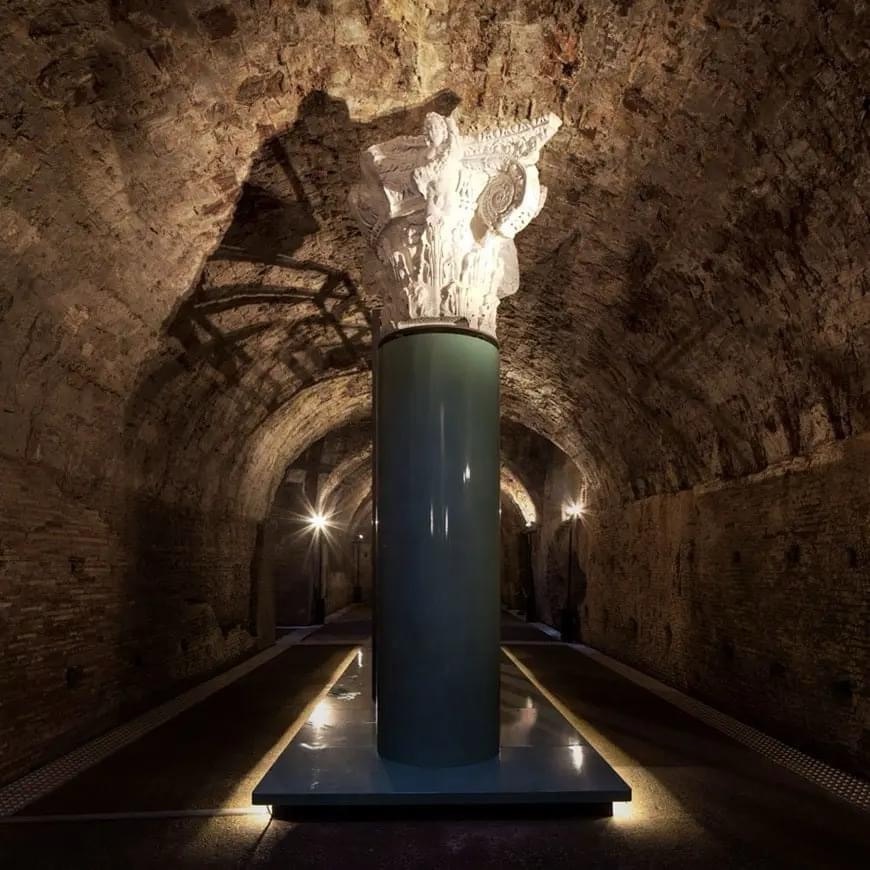
A part of the underground network of tunnels beneath the Baths of Caracalla is now open to the public. The sophisticated heating system and the boilers to heat the water for the huge baths were located in these underground galleries. The galleries also contain one of the largest temples in the Roman empire for the worship of the god Mithra. The Mithraeum has recently been restored.

 SummerSimo Travel Troubles Notes and The Purring Page
Leave a comment