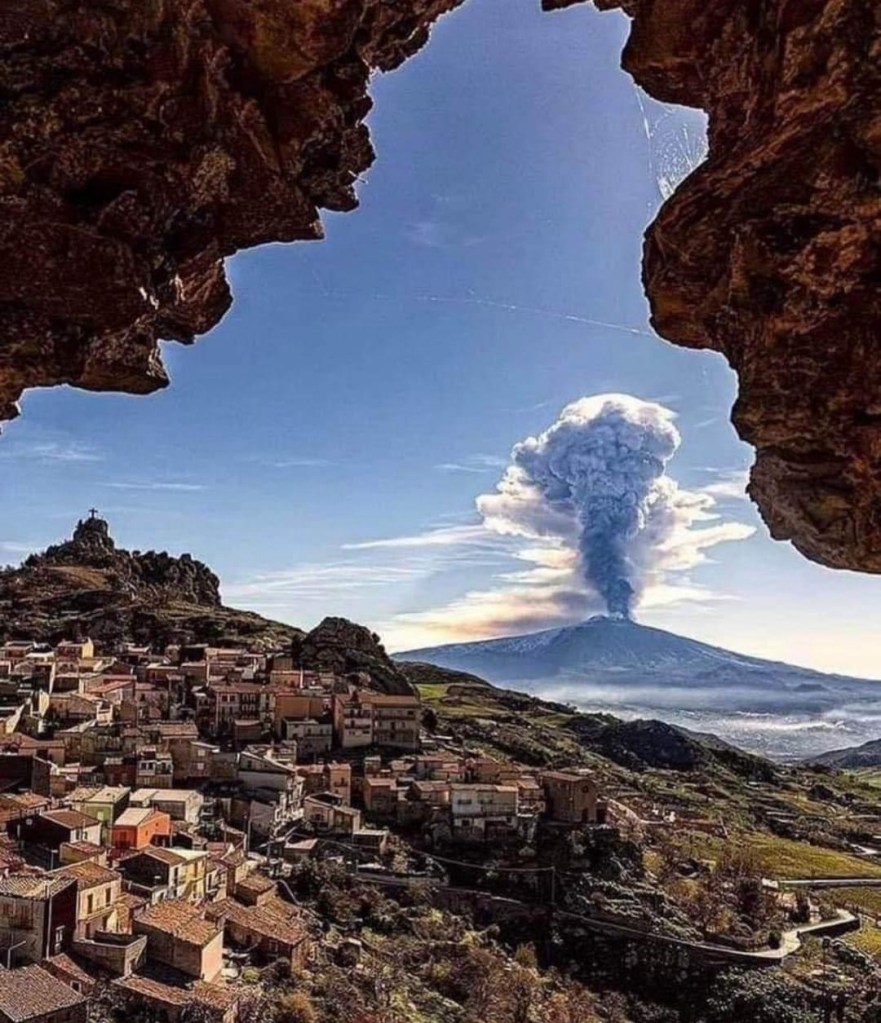
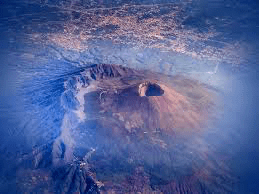
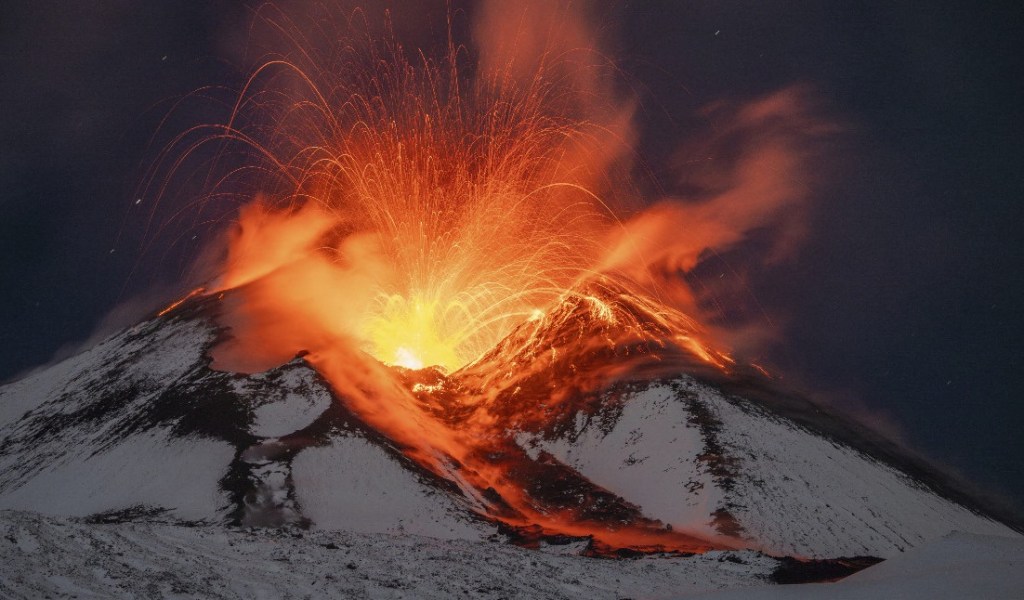
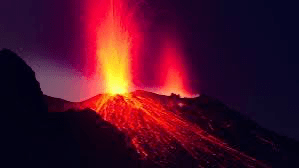
Mount Etna, located on the eastern coast of Sicily, Italy, is one of the most active volcanoes in the world and the tallest active volcano in Europe, standing at about 3,329 meters (10,922 feet) tall, though this height can vary with each eruption. Its frequent eruptions are often accompanied by lava flows, ash clouds, and pyroclastic flows, contributing to the volcano’s dynamic landscape and fertile surrounding soils.
Etna’s activity has been recorded for thousands of years, with its eruptions shaping the geography and history of Sicily. The fertile volcanic soils support extensive agriculture, with vineyards and orchards spread across the lower slopes of the mountain, producing high-quality wines and fruits.
The volcano is also a significant scientific and tourist attraction. Numerous hiking trails and guided tours offer opportunities to explore its craters, lava flows, and rugged terrain. The Parco dell’Etna, established in 1987, encompasses a large area around the volcano, protecting the unique environment and promoting sustainable tourism and research.
Despite the potential dangers it poses, Etna’s eruptions are closely monitored by the Istituto Nazionale di Geofisica e Vulcanologia (INGV), which provides valuable data for understanding volcanic activity and mitigating risks to the local population and infrastructure.

 SummerSimo Travel Troubles Notes and The Purring Page
Leave a comment