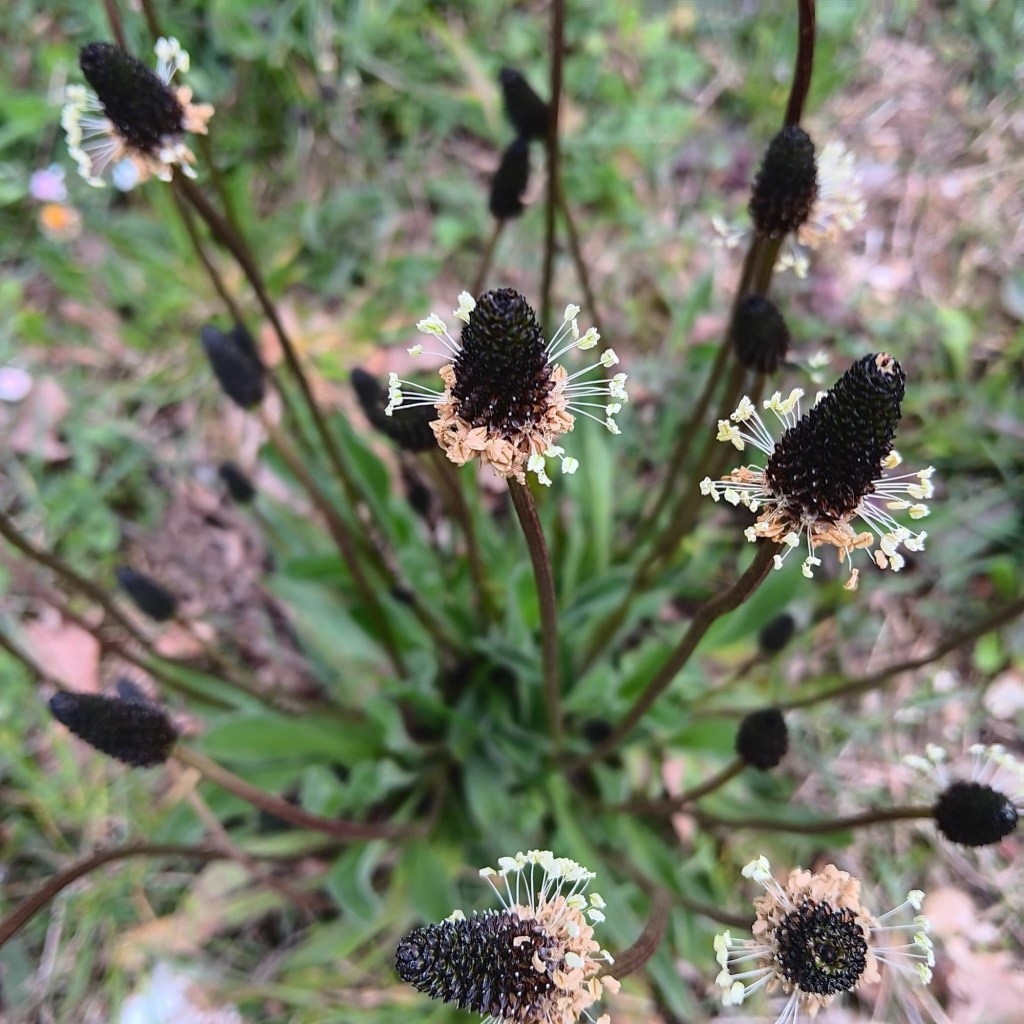
Ribwort plantain (Plantago) is a genus of herbaceous perennial plants that is very common in Italy and many other parts of the world, growing easily in grassy areas, along roadsides, in lawns, fields and untended gardens, adapting to different types of soil. It is easily recognized by its narrow and long or broad and round leaves, depending on the species, and by its small flowers growing on a petiole.
Where to Find It
Plantain can be found almost anywhere, from urban to rural environments. It grows best in sunny or partially shaded areas and can be harvested at almost any time of year, although it is best to do so before the plant flowers to make the most of its properties.
How to Use It
Plantain is known for its medicinal properties, including emollient, healing, anti-inflammatory and antibacterial effects. Here are some ways it can be used:
- For wounds and insect bites: Fresh crushed leaves can be applied directly to wounds, scratches or insect bites to relieve pain and promote healing.
- As an infusion: Infusions can be prepared from the dried leaves to relieve symptoms of coughs, colds or gastrointestinal problems. To prepare the infusion, use about one to two teaspoons of dried leaves per cup of boiling water, leaving to steep for 10 to 15 minutes.
- In the kitchen: Young leaves can be eaten raw in salads or cooked as spinach. They have a slightly bitter taste that can enrich various dishes.
- Cataplasms: For skin problems such as eczema or irritation, poultices can be prepared with the fresh crushed leaves or a paste made from the dried leaves ground and mixed with a little water.
Before using plantain or any other plant for medicinal purposes, it is important to make sure you have no allergies or contraindications and, if possible, consult a health professional.

 SummerSimo Travel Troubles Notes and The Purring Page
Leave a comment