Are there any activities or hobbies you’ve outgrown or lost interest in over time
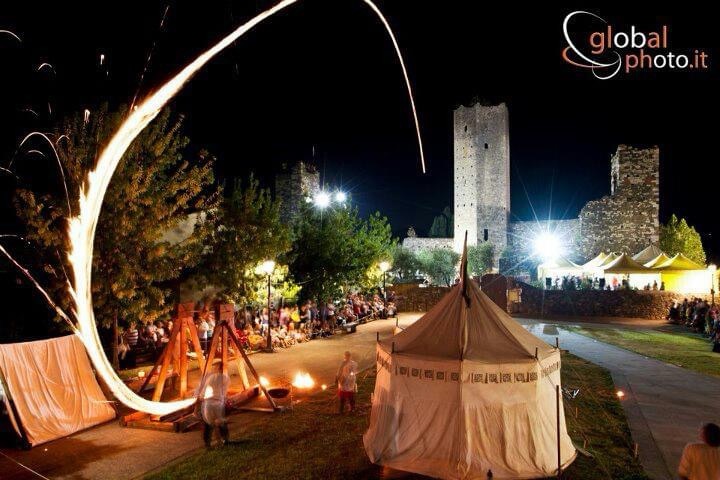
In the intricate tapestry of time, there are moments that breathe life into the pages of history, allowing us to relive and connect with our rich cultural heritage. Italian reenactments, with their vibrant performances and attention to detail, ignite these flames of history, transporting us to another era.
Reenactments provide a window into the past, daring us to imagine what it would have been like to witness historical events firsthand. Whether it be the grandeur of a medieval joust or the chaos of a World War II battle, these reenactments recreate the sights, sounds, and emotions of bygone eras. The passion and dedication of the participants are evident in their meticulously crafted costumes and authentic weapons, ensuring an immersive experience for both participants and spectators alike.
Italy, with its rich and storied past, provides the perfect backdrop for these historical reenactments. From the Roman gladiators to the Renaissance masters, the country’s cultural tapestry spans centuries, offering a wealth of material for reenactors to draw upon. Cities and towns across Italy come alive with the echoes of history during these events, as participants take to the streets in meticulously designed costumes, parading through ancient alleyways and majestic piazzas.
The impact of these reenactments extends far beyond mere entertainment. They serve as a vehicle for education and preservation, ensuring that future generations have a tangible connection to their history. By witnessing these performances, young and old alike can gain a deeper understanding of the events that shaped their ancestors’ lives, fostering a sense of pride and respect for their cultural heritage.
Italian reenactments not only preserve the past, but they also breathe new life into forgotten traditions and crafts. Artisans and craftsmen who specialize in historical methods and materials are able to showcase their skills and keep these ancient trades alive. Through their dedication, they ensure that knowledge and techniques passed down through generations continue to thrive in the modern world.
As spectators, we have the privilege of joining this journey through time, escaping the boundaries of our present and immersing ourselves in the vibrant tapestry of Italy’s history and heritage. The flames of history, fanned by the passion and dedication of reenactors, illuminate the intricate threads that connect us to our past, guiding us towards a future enriched by the wisdom and experiences of those who came before.
It’s a pity that my job, life, and the whirlwind animating my days have consumed so much of my time lately, depriving me of the magic that I am here to describe. However, it hasn’t outgrown or lost interest; it’s just something that I can devote less time to.
Reenactment events in Italy, especially focusing on the medieval and Baroque periods, offer a unique window into the country’s rich history and cultural heritage. These events are meticulously planned to provide an immersive experience, drawing on the historical and cultural context of Italy’s diverse regions. Participants and spectators alike are transported back in time, engaging directly with the customs, warfare techniques, and daily life of bygone eras.
Medieval Reenactments:
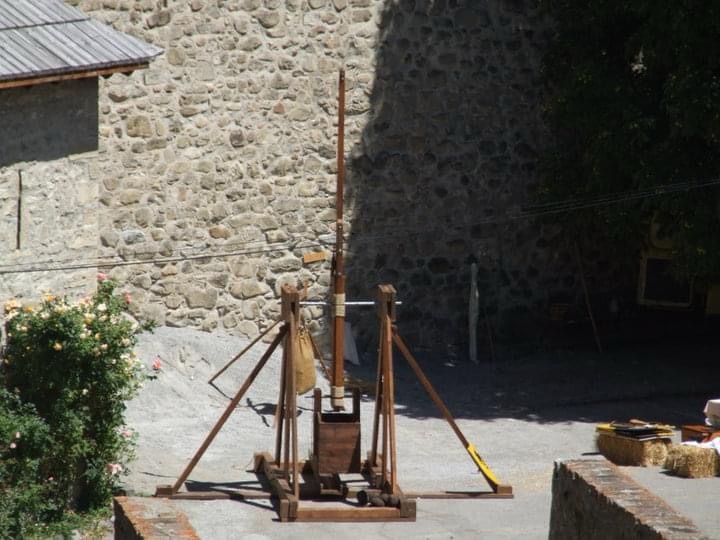
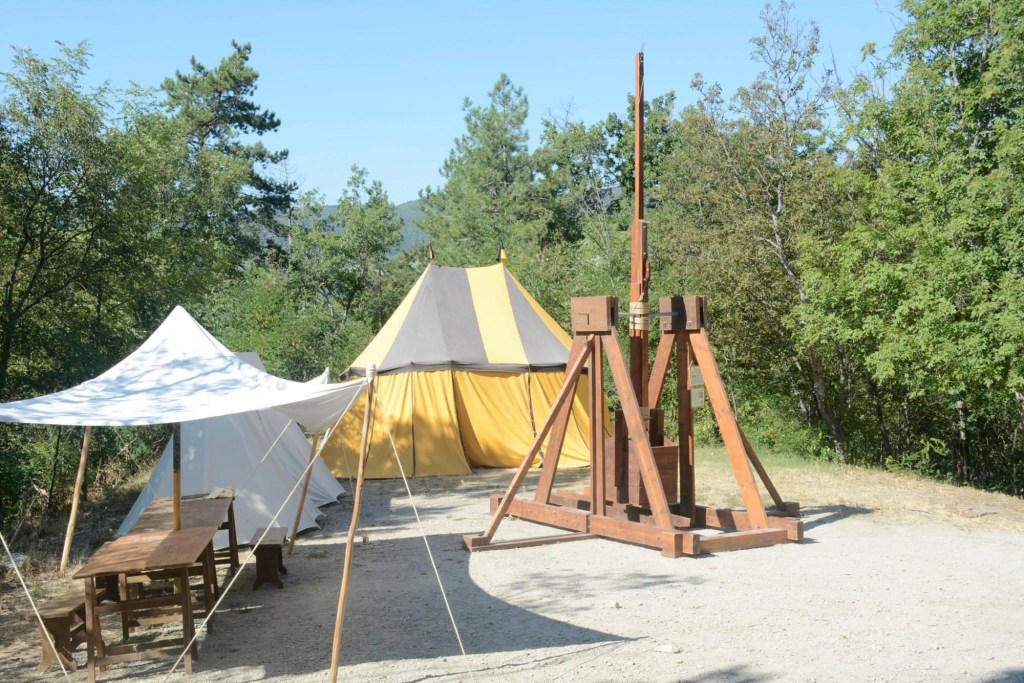
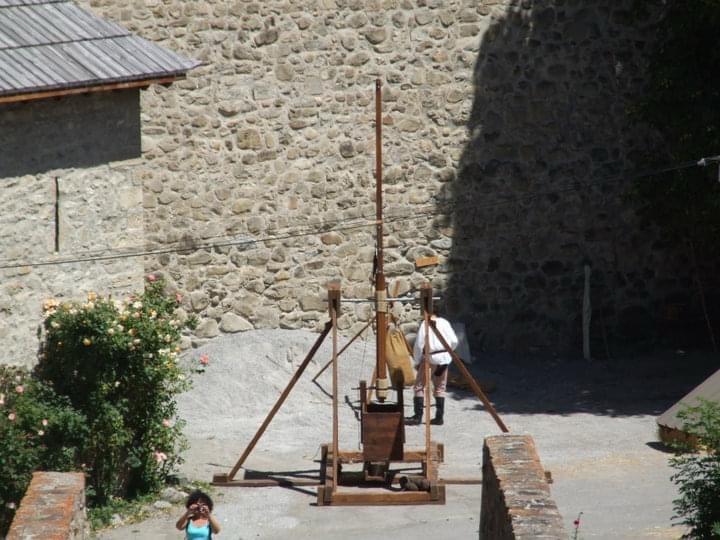
In medieval reenactment events, Italy pays homage to its storied past, from the early Middle Ages through to the Renaissance. These events often feature representations of daily life, crafts, and cuisine, alongside dramatic recreations of battles and sieges. A standout feature of many medieval reenactments is the trebuchet, a powerful siege engine used to hurl projectiles at fortress walls. The construction and operation of trebuchets are demonstrated, showcasing the ingenuity and engineering skills of the medieval period.
Baroque Reenactments:
Baroque reenactments in Italy delve into the lavish and ceremonious aspects of the 17th and early 18th centuries. These events are characterized by their focus on the artistic, architectural, and musical heritage of the Baroque period. Participants often wear elaborate costumes, and events may include recreations of Baroque opera and theatre, as well as courtly dances. The use of muskets and the depiction of military encampments give insight into the warfare and military tactics of the Baroque era.
Specific Events:
- Palio di Siena: While not a direct reenactment of a specific historical event, the Palio di Siena is a traditional medieval horse race that captures the competitive spirit and communal identity of medieval Italian city-states. Held twice a year in Siena, the event includes a grand parade that showcases medieval costumes and banners representing the city’s districts.
- Battle of Canne della Battaglia: This is a reenactment of the historic battle between the Roman Republic and Hannibal’s Carthaginian army in 216 BC. Though earlier than the medieval period, it features strategies and tactics that continued to influence military engagements into the medieval era.
- Il Palio dell’Assunta in Feltre: A medieval reenactment that takes place in Feltre, Veneto, focusing on 15th-century life with tournaments, parades, and the recreation of a medieval market. This event showcases the martial skills of the era, including archery and jousting, rather than siege warfare.
Cultural and Educational Impact:
These reenactments are not merely about spectacle; they serve as educational tools that bring history to life, allowing people to experience firsthand the complexities and nuances of Italy’s past. They foster a deeper appreciation for the craftsmanship, strategic thinking, and daily challenges of life in medieval and Baroque Italy. Through these living history events, Italy preserves and celebrates its heritage, making it accessible to both locals and visitors from around the world.
The reenactment events of medieval and Baroque periods in Italy not only serve as a bridge to the past but also hold significant pedagogical value, offering an immersive learning experience for children, teens, and young adults. These events go beyond the traditional classroom setting, providing a hands-on approach to history that engages participants in a multidimensional learning experience. This active involvement in historical reenactments fosters a deep respect for history, culture, and the complexities of societal development over the ages.
Educational Aspects:
- Historical Empathy: By taking part in or witnessing the reenactments, young people gain a firsthand understanding of the living conditions, challenges, and perspectives of people from the past. This experiential learning fosters empathy and a deeper appreciation for the struggles and achievements of earlier generations.
- Critical Thinking: Engaging with history in such a vivid manner encourages participants to think critically about the evolution of societies, the causes and effects of specific events, and the interconnectedness of different historical periods. It prompts questions and discussions that deepen their understanding of history beyond dates and facts.
- Cultural Awareness: Through these reenactments, young individuals learn about the diversity of cultural practices, traditions, and values that have shaped human history. This awareness cultivates an appreciation for cultural heritage and encourages respect for different cultures and their contributions to the world’s tapestry.
Sociological Aspects:
- Social Cohesion: Participating in reenactments can foster a sense of community and belonging among young people. Working together to accurately portray historical events requires teamwork, communication, and mutual respect, which can strengthen social bonds and community ties.
- Identity and Heritage: For many participants, reenactments are a way to connect with their local or national identity. They offer a sense of pride in one’s heritage and an opportunity to contribute to the preservation and dissemination of cultural traditions.
- Skill Development: Beyond historical knowledge, young people involved in reenactments often learn practical skills such as crafting, cooking, martial arts, and even early forms of engineering (such as operating a trebuchet). These activities promote problem-solving, creativity, and physical fitness.
Pedagogical Value:
The pedagogical value of reenactment events lies in their ability to transform abstract historical knowledge into tangible experiences. By actively participating in the recreation of historical events, young people are not just passive recipients of information but become engaged learners who experience the complexity of history with all their senses. This approach to learning can ignite a lifelong interest in history and culture, encouraging continuous exploration and understanding of the past and its relevance to contemporary issues.
In summary, the reenactment of medieval and Baroque periods in Italy offers an enriching educational and sociological experience that benefits young people by enhancing their historical knowledge, social skills, and cultural understanding. These events provide a unique and engaging way to learn about the past, fostering a deep respect for history and its impact on the present and future.



 SummerSimo Travel Troubles Notes and The Purring Page
Leave a comment