What’s your favorite candy?
Tracing the evolution of the candy world from the 17th century to the present requires an exploration of various facets, including changes in flavors, advertising approaches, shifts in taste preferences, and the psychological and educational impacts of candy consumption and marketing.
17th Century to 19th Century: The Emergence of Candy
In the 17th century, candy was largely a luxury item in Europe, made with expensive sugar and enjoyed by the wealthy. Flavors were primarily derived from natural ingredients like honey, fruits, and nuts. By the 18th century, as sugar became more widely available, candy became more accessible to the general population. The Industrial Revolution in the 19th century led to mass production and the advent of modern candy.
Early 20th Century: The Advent of Modern Candy and Advertising
The early 20th century saw a burst of creativity in candy flavors and forms, with the invention of many candies that are still popular today. This era also marked the beginning of targeted advertising with colorful packaging and brand mascots, which helped create brand loyalty among young and old alike.
Mid-20th Century: The Boom of Candy Advertising
The mid-20th century was the golden age of advertising. Candies were marketed heavily on television, in magazines, and on radio, often aimed at children with catchy jingles and animated characters. The flavors became more varied and often more artificial, as manufacturers began to incorporate synthetic ingredients to create novel tastes and vibrant colors.
Late 20th Century: Shifts in Taste and Health Awareness
As health awareness increased, the candy industry faced criticism for its role in dental issues and obesity. In response, some companies began producing sugar-free or low-sugar options. There was also a nostalgic return to natural flavors and artisanal candy, contrasting with the artificial flavors that dominated the mid-century.
21st Century: Diversification and Nostalgia
The 21st century has seen a diversification of the market with a strong trend towards nostalgia, with the revival of vintage brands and flavors. At the same time, globalization has introduced a variety of international flavors to new markets. The internet era has transformed advertising, with a shift towards social media and influencer endorsements.
Psychological and Pedagogical Impact
Psychologically, candy has been both a source of reward and a subject of control, used by parents and educators as a tool for behavioral management. This has raised questions about the ethics of marketing sugary products to children. Pedagogically, the discussion around candy has been used to educate about nutrition and health choices.
Conclusion
The transformation of the candy industry reflects broader cultural, economic, and technological changes. From a rare treat to a daily snack, candy has evolved to meet changing consumer tastes and respond to the social concerns of each era. Through its history, candy has been at the intersection of pleasure, commerce, and debate, continuing to adapt and thrive in the global market.
The currently candy market is quite diverse and competitive, with many brands holding significant shares in different regions and categories. Mars Wrigley Confectionery, Mondelez International, Ferrero Group, and The Hershey Company are among the leading global players, with products like M&M’s, Snickers, Cadbury Dairy Milk, Ferrero Rocher, and Hershey’s Kisses being some of the top-selling candies worldwide.
Market leadership can fluctuate due to seasonal sales, marketing campaigns, and consumer trends, so pinpointing a single candy as the market leader can be challenging without the latest data.
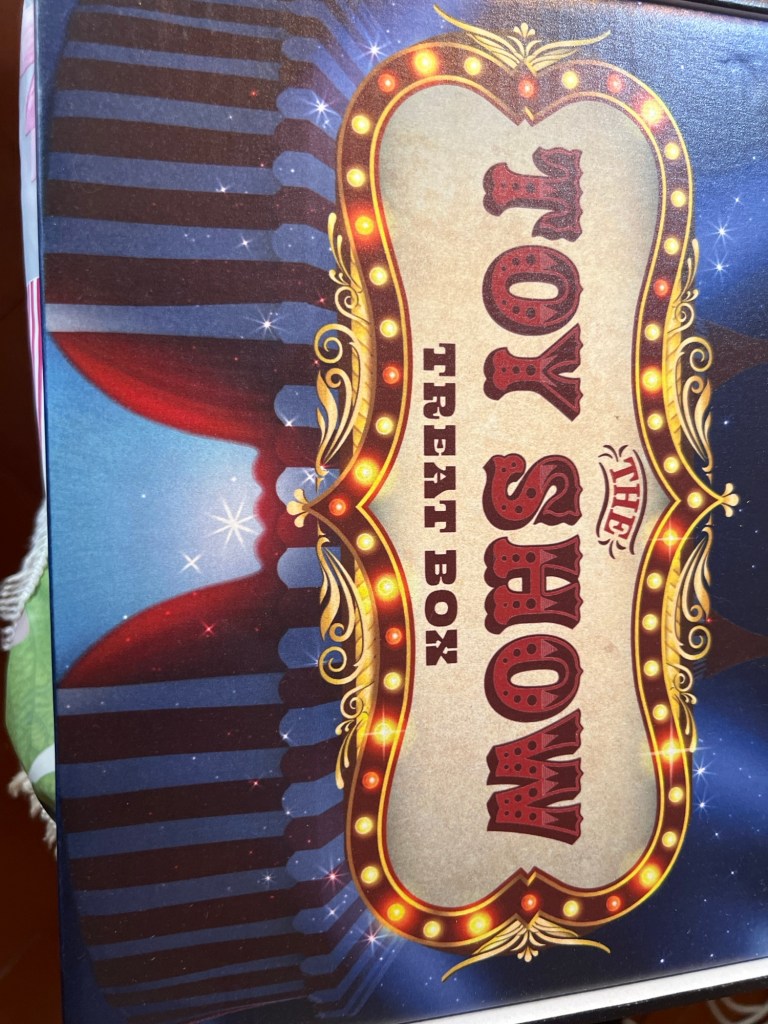
However my favorite candy comes from Cadbury and is a specific item called The Toy Show Box! Right out of Ireland thanks to my Sister in Law!!!


 SummerSimo Travel Troubles Notes and The Purring Page
Leave a comment