My envisioned Beauty
Exterior:
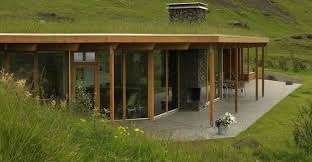
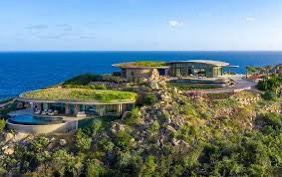
The house is nestled on a picturesque hill, surrounded by lush greenery and tall trees, creating a serene and tranquil atmosphere. The exterior of the house is designed to blend harmoniously with the natural surroundings. It features a combination of sustainable materials such as reclaimed wood, natural stone, and locally sourced bricks.
Veggie Garden:
Adjacent to the house, there’s a spacious veggie garden where a variety of organic fruits, vegetables, and herbs are grown. The garden utilizes permaculture principles, incorporating companion planting, composting, and rainwater harvesting systems to promote a self-sustaining ecosystem.
Solarium:
One side of the house opens up to a solarium, a glass-enclosed space that allows ample natural light to flood the interior. The solarium doubles as a greenhouse, featuring planters and shelves for cultivating a wide range of ornamental plants, flowers, and even some exotic species.
Swimming Pool:
The house boasts an eco-friendly swimming pool that integrates various sustainable features. It utilizes a natural filtration system, such as a biofiltration or a wetland system, to cleanse the water without the need for harsh chemicals. The pool area is surrounded by native plants, creating a seamless transition between the pool and the surrounding landscape.
Fountain:
In the central courtyard, there’s a mesmerizing fountain that serves as a focal point. The fountain is designed to recirculate water, minimizing water consumption. It incorporates a solar-powered pump to reduce energy usage and features an elegant sculpture made from recycled materials, adding an artistic touch to the space.
Zen Garden:
Adjacent to the house, a serene Zen garden provides a tranquil retreat for meditation and relaxation. It features carefully raked gravel, strategically placed rocks, and minimalist plantings such as bamboo and Japanese maple trees. The Zen garden offers a peaceful oasis where one can reconnect with nature and find inner calm.
Sustainable Features:
To ensure the house is truly eco-compatible, it incorporates additional green solutions such as:
- Solar Panels: The roof is equipped with an array of solar panels that harness renewable energy, powering various systems within the house.
- Rainwater Harvesting: The house features a rainwater collection system that channels rainwater from the roof into underground storage tanks. This water can be used for irrigation, toilet flushing, and other non-potable purposes, reducing dependency on the municipal water supply.
- Energy-Efficient Appliances: All appliances within the house are selected for their high energy efficiency ratings, reducing overall energy consumption.
- Passive Cooling and Heating: The house is designed to maximize natural ventilation and optimize insulation, minimizing the need for artificial cooling and heating.
By combining the beauty of nature, sustainable materials, and innovative green solutions, this house on the hill provides a harmonious and eco-friendly living space.
By utilizing these sustainable materials, the house minimizes its environmental impact, promotes resource conservation, and creates a unique and environmentally conscious living space:
- Reclaimed Wood: The house incorporates reclaimed wood sourced from salvaged materials like old barns, warehouses, or fallen trees. This reduces the demand for new timber and prevents valuable resources from going to waste. Reclaimed wood is used for various elements, such as flooring, beams, and accent walls, adding warmth and character to the interior.
- Natural Stone: Locally sourced natural stone, such as limestone or granite, is used in the construction of the house. Natural stone is a durable and long-lasting material that requires minimal processing and has a low carbon footprint. It is used for exterior cladding, walkways, and patio areas, creating an organic and rustic aesthetic.
- Earth Blocks: Some sections of the house, particularly the walls, are constructed using earth blocks or adobe bricks. Earth blocks are made from a mixture of clay, sand, and straw, and they are sun-dried or kiln-fired for strength. This construction technique is energy-efficient, as it minimizes the need for energy-intensive manufacturing processes.
- Bamboo: Bamboo is a rapidly renewable resource that is incredibly versatile and durable. It can be used for various purposes in the house, such as flooring, cabinetry, and decorative elements. Bamboo is known for its strength and sustainability, as it grows quickly and requires minimal water and pesticides to thrive.
- Recycled Materials: Throughout the house, recycled materials are incorporated into the design. For example, countertops or tiles made from recycled glass or porcelain, reclaimed metal for light fixtures or railings, and recycled plastic for decking or outdoor furniture. These materials help reduce waste and promote a circular economy.
- Low VOC Paints: Volatile Organic Compounds (VOCs) are harmful chemicals found in many conventional paints. To ensure good indoor air quality, the house utilizes low VOC or zero VOC paints. These paints have reduced levels of toxic emissions, contributing to a healthier living environment.

 SummerSimo Travel Troubles Notes and The Purring Page
Leave a comment