Kitchen Nightmares
I love cooking finding one favorite recipe it’s crazy I have too many!!! Sooooo…
Here’s a rendition of one of the oldest recipes for goulash, incorporating traditional Hungarian spices and techniques passed down through generations:
Ingredients:
- 2 pounds (900 grams) beef, preferably chuck or round, cut into bite-sized cubes
- 2 large onions, finely chopped
- 2 cloves of garlic, minced
- 2 tablespoons lard or vegetable oil
- 2 tablespoons Hungarian sweet paprika
- 1 teaspoon caraway seeds
- 1 teaspoon marjoram
- 1 bay leaf
- Salt and pepper to taste
- 2 medium-sized tomatoes, diced
- 2 green bell peppers, sliced
- Water or beef broth, as needed
- Sour cream (optional), for serving
- Fresh parsley, chopped (for garnish)
Instructions:
- Heat the lard or vegetable oil in a large, heavy-bottomed pot over medium heat. Add the chopped onions and minced garlic, and sauté until they turn translucent and start to caramelize slightly.
- Add the beef cubes to the pot, and cook until they are browned on all sides. This step helps to develop the rich flavors of the dish.
- Sprinkle the sweet paprika over the meat and onions, stirring to coat everything evenly. The paprika is a key ingredient in goulash and gives it its distinctive flavor and vibrant red color.
- Add the caraway seeds, marjoram, bay leaf, salt, and pepper to the pot. Stir well to combine, allowing the spices to infuse into the meat.
- Toss in the diced tomatoes and sliced green bell peppers. These ingredients provide a fresh and tangy element to balance the richness of the meat and spices.
- Pour enough water or beef broth into the pot to just cover the ingredients. Bring the mixture to a boil, then reduce the heat to low and cover the pot. Allow the goulash to simmer gently for about 2 to 3 hours, or until the meat is tender and the flavors have melded together.
- While simmering, periodically check the pot and add more liquid if necessary to maintain a stew-like consistency. Traditional goulash should have a thick but still soupy texture.
- Once the goulash is done, taste and adjust the seasoning if needed. Remove the bay leaf before serving.
- Serve the goulash hot, preferably with a dollop of sour cream on top. The creaminess of the sour cream complements the spiciness of the dish. Garnish with chopped fresh parsley for added freshness and color.
This recipe captures the essence of traditional Hungarian goulash, incorporating the flavors and techniques passed down through generations. Enjoy the rich, hearty flavors and the comforting warmth of this classic dish.
Traditionally, Hungarian goulash is often served with crusty bread that can absorb the flavorful sauce. A few popular options include:
- Hungarian White Bread: A dense and crusty white bread is a classic choice. It has a chewy texture and a thick crust that holds up well when dipped in the goulash.
- Sourdough Bread: Sourdough bread with its tangy flavor and chewy crumb pairs wonderfully with goulash. It adds a delightful depth of flavor to each bite.
- Rye Bread: Rye bread has a robust and slightly earthy flavor that can complement the rich and savory goulash. Its dense texture also makes it great for soaking up the sauce.
- Baguette: If you prefer a lighter and airier bread, a crusty baguette can be a good choice. Its thin and crispy crust contrasts nicely with the tender meat and vegetables in the goulash.
Ultimately, the choice of bread depends on your personal preference. Opt for a bread that has a sturdy structure and can hold up to the saucy goulash without becoming too soggy. Enjoy experimenting with different types of bread to find the perfect accompaniment to your goulash.
When it comes to selecting a wine to accompany Hungarian goulash, there are a few options that can complement the rich flavors of the dish. Here are a couple of recommendations:
- Hungarian Red Wine: To truly embrace the Hungarian culinary experience, consider pairing your goulash with a red wine from Hungary. Look for a full-bodied red such as Egri Bikavér (Bull’s Blood) or Villányi Franc. These wines often have robust flavors, good tannin structure, and notes of dark fruits and spices that can complement the hearty nature of goulash.
- Austrian Red Wine: Hungary’s neighbor, Austria, produces excellent red wines that can also harmonize well with goulash. Look for a red wine made from the Zweigelt or Blaufränkisch grape varieties. These wines typically have medium to full body, vibrant acidity, and flavors of dark berries and spice.
- Syrah/Shiraz: A Syrah/Shiraz wine can be a versatile choice for goulash. It offers a bold and robust profile with dark fruit flavors, pepper notes, and often a hint of smokiness. The intensity of Syrah can match well with the rich flavors of goulash.
- Malbec: Another red wine option to consider is Malbec. Hailing from Argentina, Malbec offers ripe dark fruit flavors, gentle tannins, and a touch of spiciness. It can provide a nice contrast to the flavors of the goulash.
Hungarian goulash pairs well with a variety of sides that can complement its flavors and add a balanced meal. Here are a few traditional Hungarian side dishes that you can consider:
- Nokedli (Hungarian Dumplings): Nokedli are small, soft egg dumplings similar to spaetzle. They are often served alongside goulash to soak up the delicious sauce. You can make them from scratch or find pre-made nokedli at specialty stores.
- Hungarian Cucumber Salad: This refreshing salad adds a cool and tangy element to the meal. Thinly sliced cucumbers are dressed with vinegar, sour cream, dill, and a touch of sugar. It provides a refreshing contrast to the rich and hearty goulash.
- Hungarian Potato Side Dishes: Potatoes are a staple in Hungarian cuisine and make excellent side dishes for goulash. You can prepare them in various ways, such as boiled potatoes with butter and parsley, roasted potatoes with paprika and garlic, or mashed potatoes with sour cream.
- Hungarian Red Cabbage: A traditional Hungarian red cabbage side dish can add a vibrant splash of color to your meal. Shredded red cabbage is braised with vinegar, sugar, and spices like cloves and bay leaves until tender and slightly sweet.
- Pickles: Pickled vegetables such as cucumbers, peppers, or sauerkraut are frequently served alongside goulash to provide a tangy and crunchy element that cuts through the richness of the stew.
- Crusty Bread: As mentioned earlier, a crusty bread like Hungarian white bread, sourdough, or rye can be an excellent accompaniment to goulash. It’s perfect for dipping into the flavorful sauce.
My favorite is Hungarian nokedli dumplings:
an old recipe for Hungarian Nokedli Dumplings that is simple and authentic and for me is the best:
Ingredients:
- 2 cups all-purpose flour
- 2 large eggs
- 1/2 cup milk
- 1/2 teaspoon salt
- Water (for boiling)
- Butter or lard (for tossing)
Instructions:
- In a large mixing bowl, combine the flour and salt.
- In a separate bowl, whisk together the eggs and milk until well combined.
- Gradually pour the egg mixture into the flour mixture while stirring continuously. Mix until a thick, sticky batter forms.
- Bring a large pot of salted water to a boil.
- Hold a dumpling board or a colander with large holes over the boiling water.
- Using a spoon or spatula, press the batter through the holes of the dumpling board or colander, allowing small droplets to fall into the boiling water. As an alternative, you can use a knife to cut small pieces of the batter and drop them directly into the boiling water.
- Let the dumplings cook in the boiling water for about 1-2 minutes, or until they float to the surface. They should be soft and tender.
- Using a slotted spoon or a strainer, remove the cooked dumplings from the boiling water and transfer them to a colander or a bowl.
- Repeat the process with the remaining batter until all the dumplings are cooked.
- Toss the cooked dumplings with a little bit of butter or lard to prevent sticking and add flavor.
- Serve the nokedli dumplings alongside your Hungarian goulash or other dishes.
For accompany the Goulash with this Noodles :
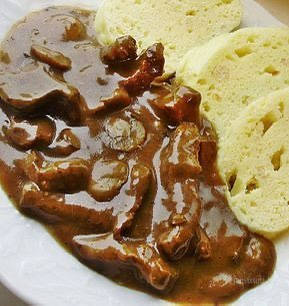

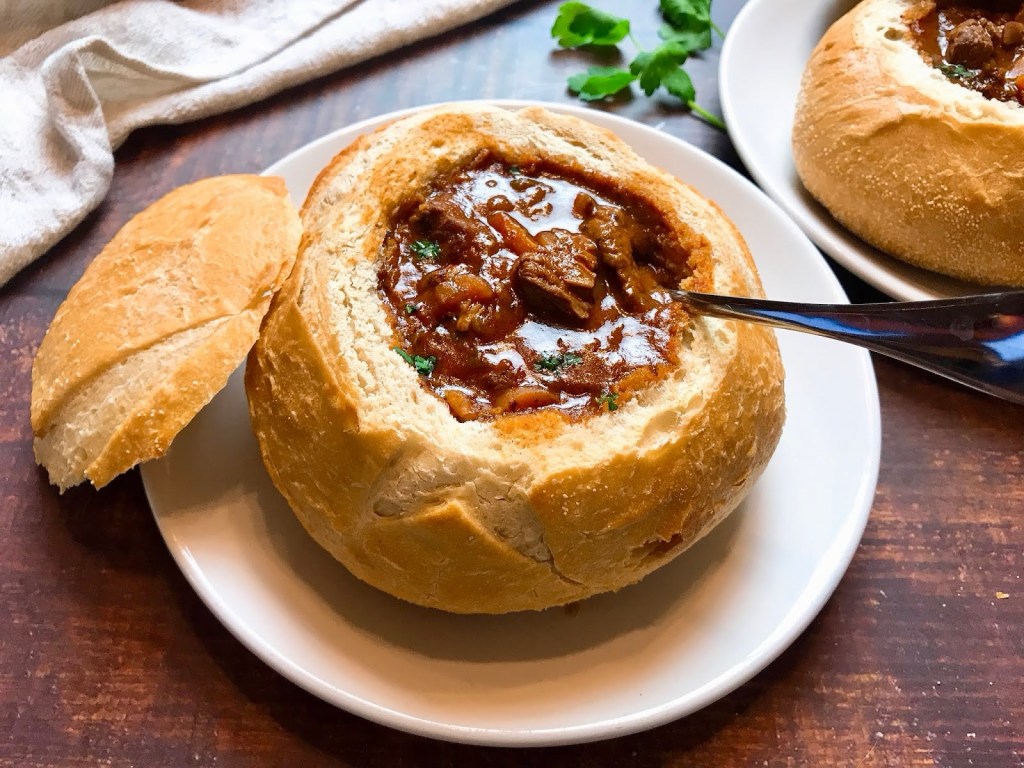

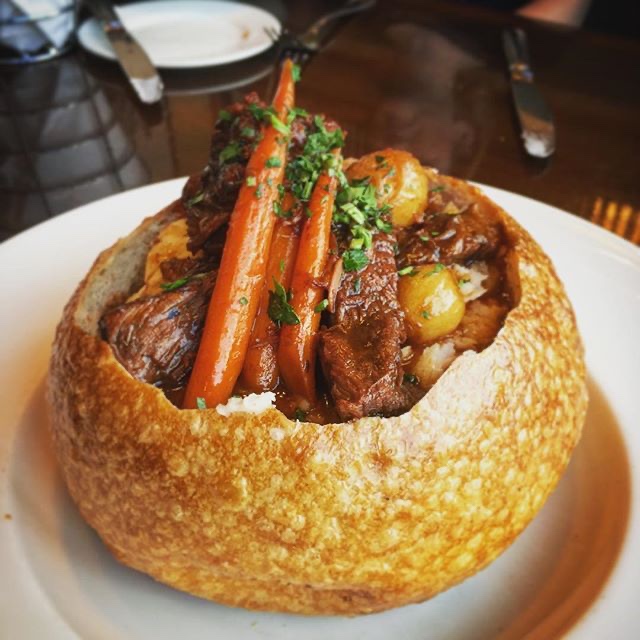
- Brown the Meat: Before simmering the meat in the stew, it’s important to brown it first. This step adds depth and richness to the dish. Heat some oil in a large pot or Dutch oven and sear the meat on all sides until nicely browned. This will enhance the flavor of the goulash.
- Use Hungarian Paprika
- Adjust the Consistency: Depending on your preference, you can adjust the consistency of the goulash. If you prefer a thicker stew, allow it to simmer uncovered for a longer time to reduce the liquid. If you want a thinner consistency, you can add a bit more broth or water.
- Serve with Nokedli Dumplings: Once the goulash is ready, serve it alongside the nokedli dumplings. The dumplings will soak up the flavorful sauce and provide a delightful texture contrast.
Remember, Hungarian goulash is a versatile dish, and variations exist across different regions and households. This is my favorite combination so feel free to adapt the recipe and seasonings to suit your taste preferences. Enjoy your homemade Hungarian goulash with the delicious nokedli dumplings!

 SummerSimo Travel Troubles Notes and The Purring Page
Leave a comment