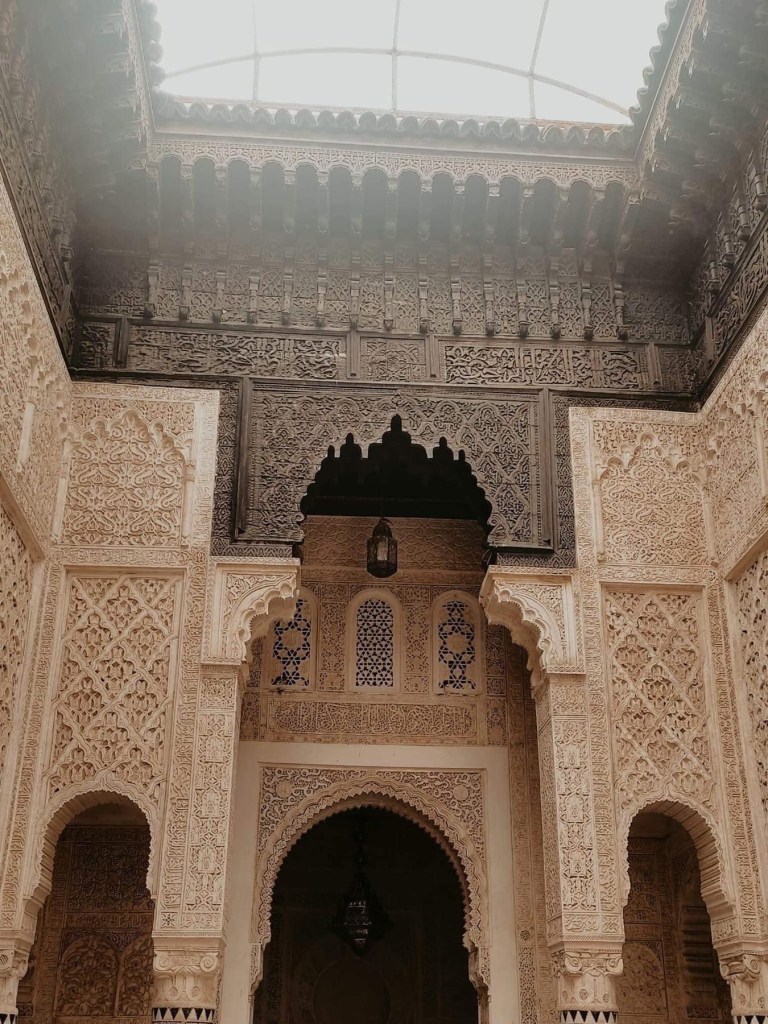
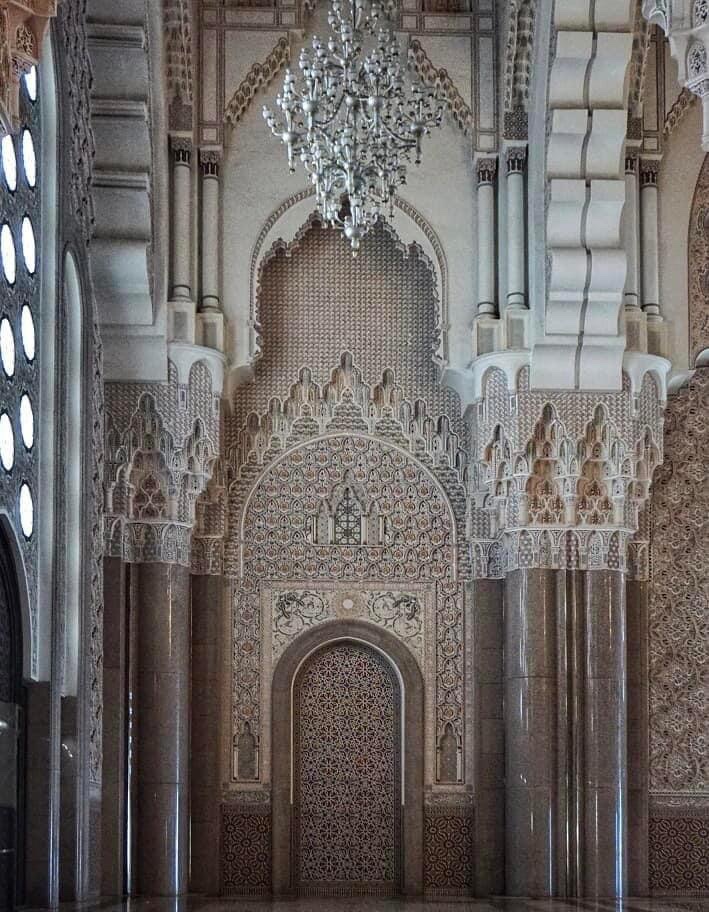
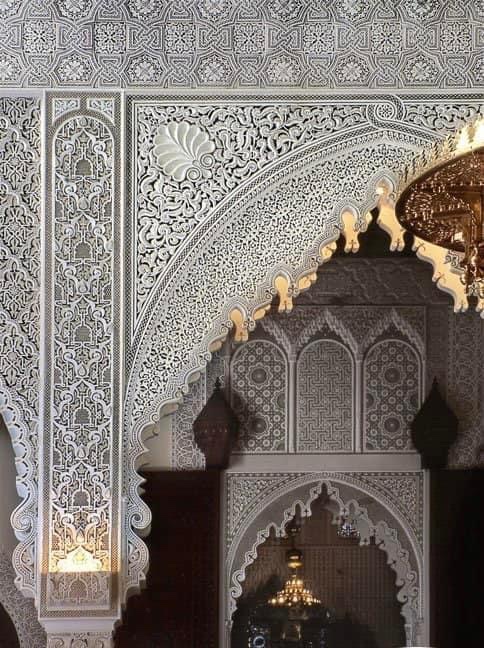
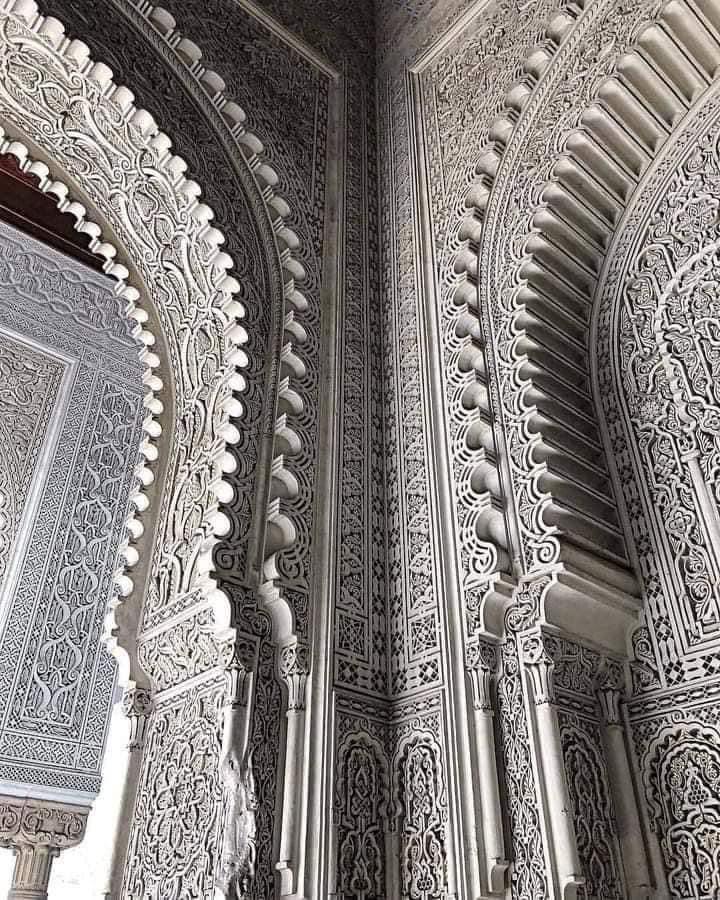
Moroccan gypsum, also known as Moroccan plaster, is a traditional building material that has been used in Morocco for centuries. It is a type of plaster made from natural gypsum, which is a soft sulfate mineral that is found in large deposits in Morocco.
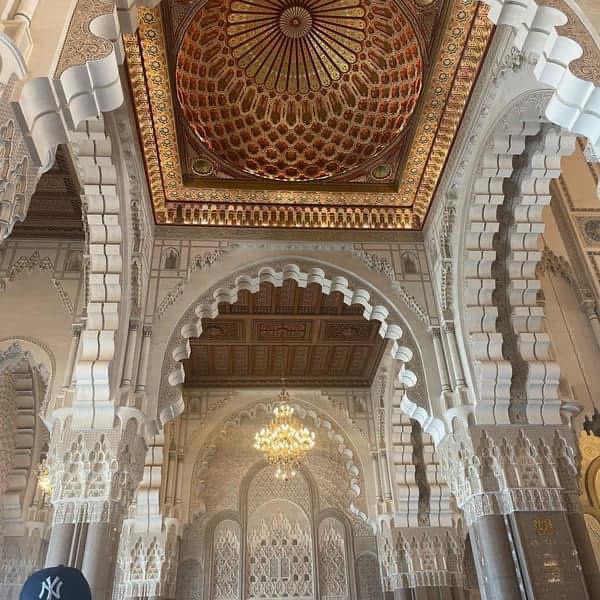
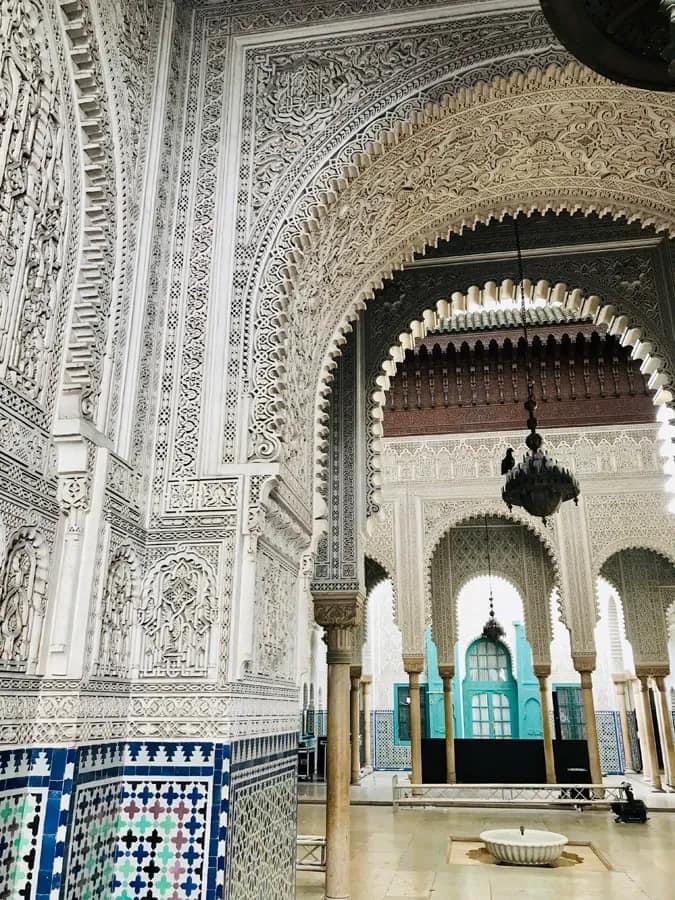
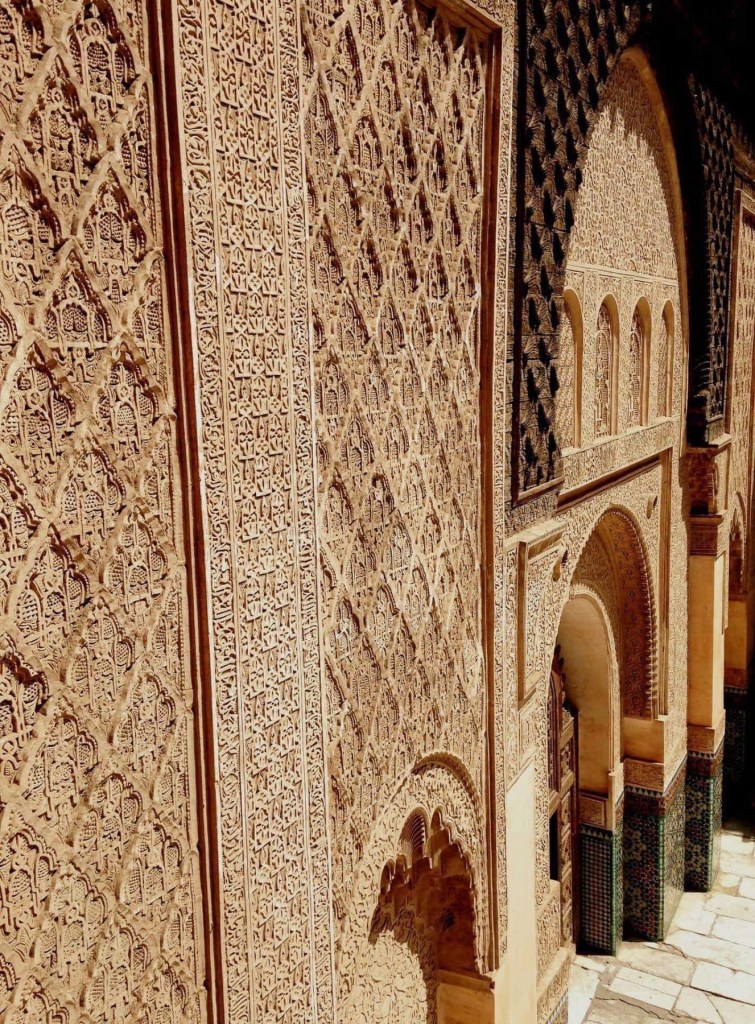
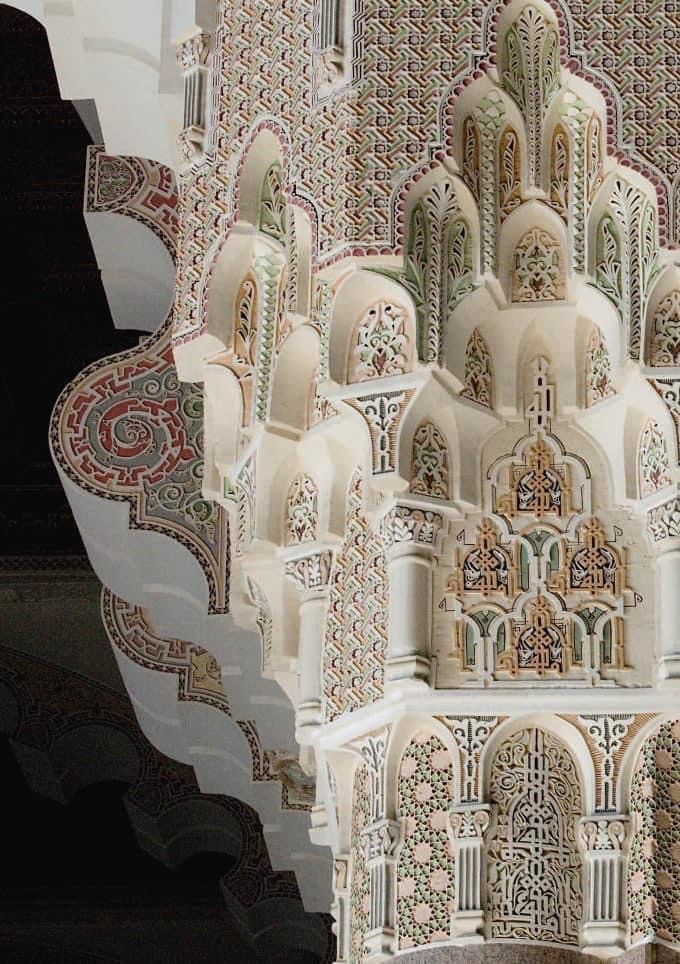
Moroccan gypsum is known for its unique texture and decorative qualities. It is often used to create ornate patterns and designs on walls and ceilings, and can be carved or molded into a variety of shapes and forms. It is also valued for its insulating properties, which help to regulate temperature and humidity in buildings.
Moroccan gypsum is typically mixed with water, sand, and lime to create a plaster that is applied to walls and ceilings. After the plaster has dried, it is polished with a smooth stone to create a glossy finish.
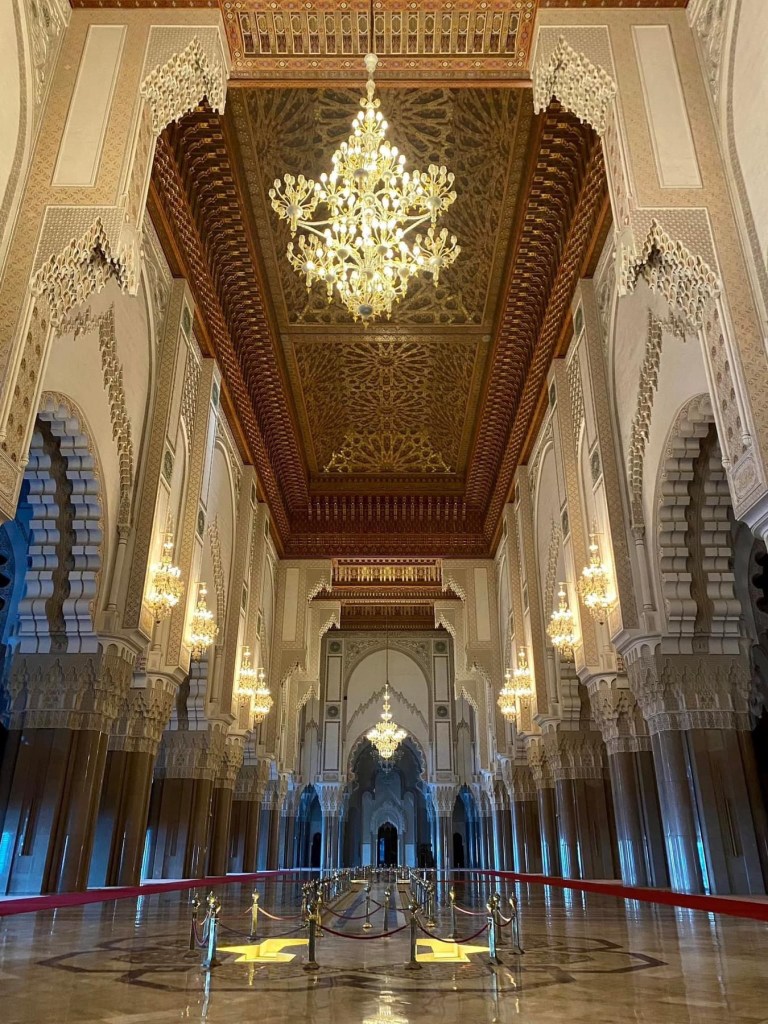
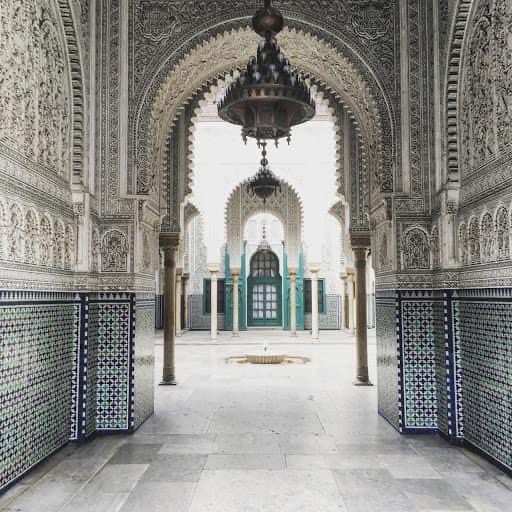
Moroccan gypsum is still widely used in traditional Moroccan architecture, particularly in the cities of Fez and Marrakech, where it is an important part of the decorative style known as Moroccan zellige. It is also used in modern architecture and interior design, and has gained popularity around the world for its unique beauty and versatility.
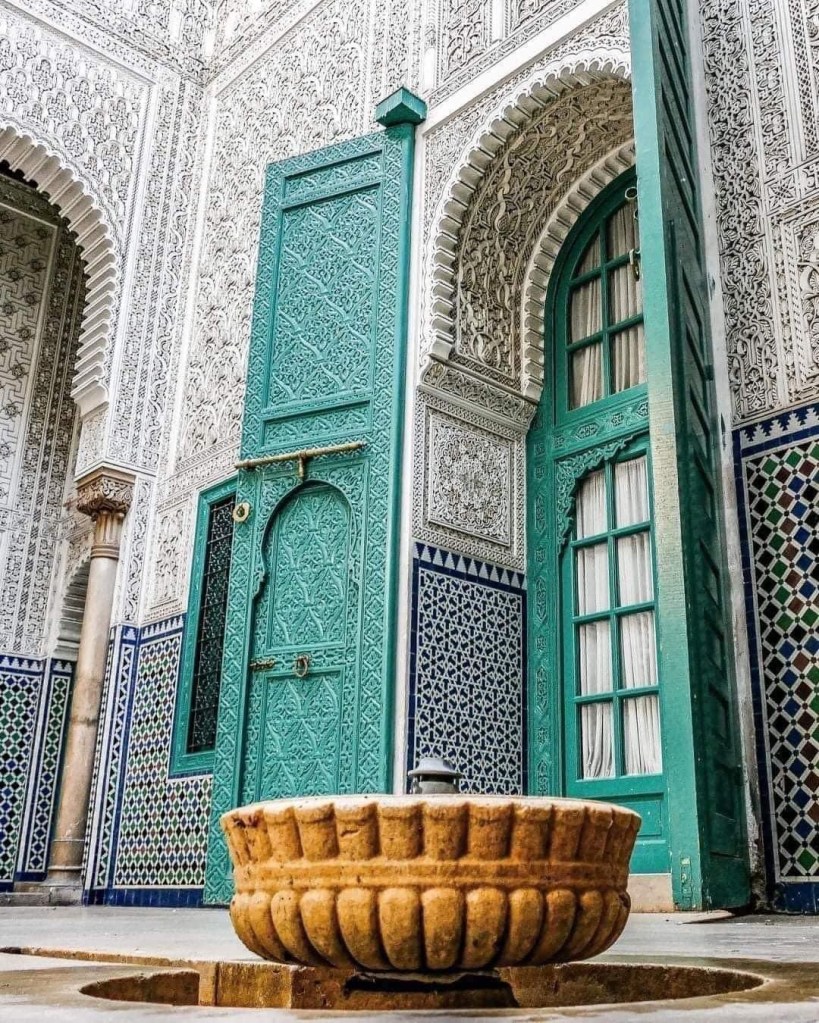
Moroccan zellige is a style of decorative tile work that is unique to Morocco and is characterized by its complex geometric patterns and vibrant colors. It is different from other decorative styles in Morocco in several ways.
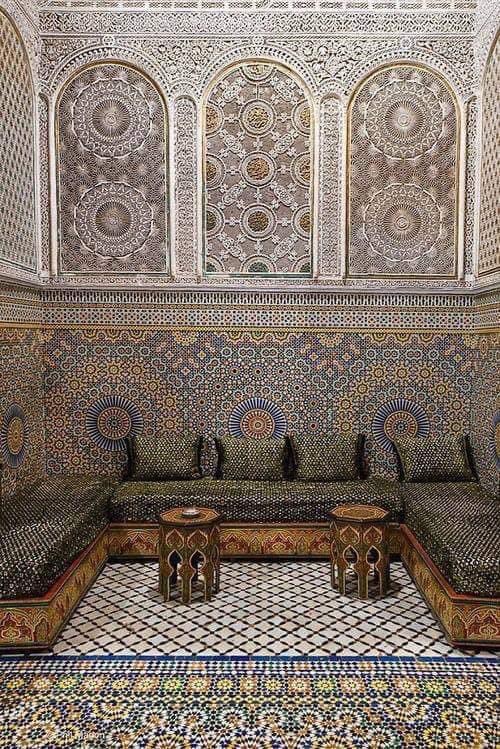
Firstly, zellige is made up of small, hand-cut tiles, usually in a square or rectangular shape. These tiles are arranged in intricate geometric patterns that can include stars, crosses, and other shapes. The tiles are set into a plaster matrix, which allows for flexibility in design and makes zellige suitable for use on curved surfaces such as domes.
Secondly, zellige is known for its bold and vibrant colors. The tiles are often glazed in shades of blue, green, yellow, and red, and can be arranged in complex patterns that create a kaleidoscope effect.
Finally, zellige is a highly labor-intensive craft that requires skilled artisans to cut and shape each tile by hand. The process of creating zellige tiles has remained largely unchanged for centuries, and the craft is still practiced by artisans in Morocco today.
The use of zellige in Moroccan architecture and design has evolved over time, reflecting changes in style, technology, and culture. Here are some of the key developments in the use of zellige over time:
- Origin: The use of zellige dates back to the 10th century, when it was first introduced to Morocco by Muslim craftsmen from Andalusia. Zellige was originally used to decorate mosques and other religious buildings, and was seen as a way to create a sense of beauty and harmony in Islamic architecture.
- Expansion: Over time, the use of zellige expanded beyond religious buildings to include secular buildings such as palaces, homes, and public spaces. Zellige became increasingly elaborate and complex during this period, with artisans developing new patterns and techniques to create ever-more-intricate designs.
- Colonial period: During the colonial period in the 19th and early 20th centuries, Moroccan architecture was influenced by European styles such as Art Deco and Art Nouveau. Zellige continued to be used during this period, but often in a more subdued form that reflected European tastes.
- Revival: In the mid-20th century, there was a renewed interest in traditional Moroccan architecture and design, and zellige experienced a revival. Artisans began to experiment with new colors, patterns, and techniques, and zellige became increasingly popular in contemporary architecture and design.
- Contemporary period: Today, zellige continues to be an important element of Moroccan architecture and design, and is often used in a more modern and eclectic style that combines traditional techniques with contemporary materials and aesthetics. Zellige is also popular in interior design, with designers using it to create striking feature walls, backsplashes, and other decorative elements.

 SummerSimo Travel Troubles Notes and The Purring Page
Leave a comment