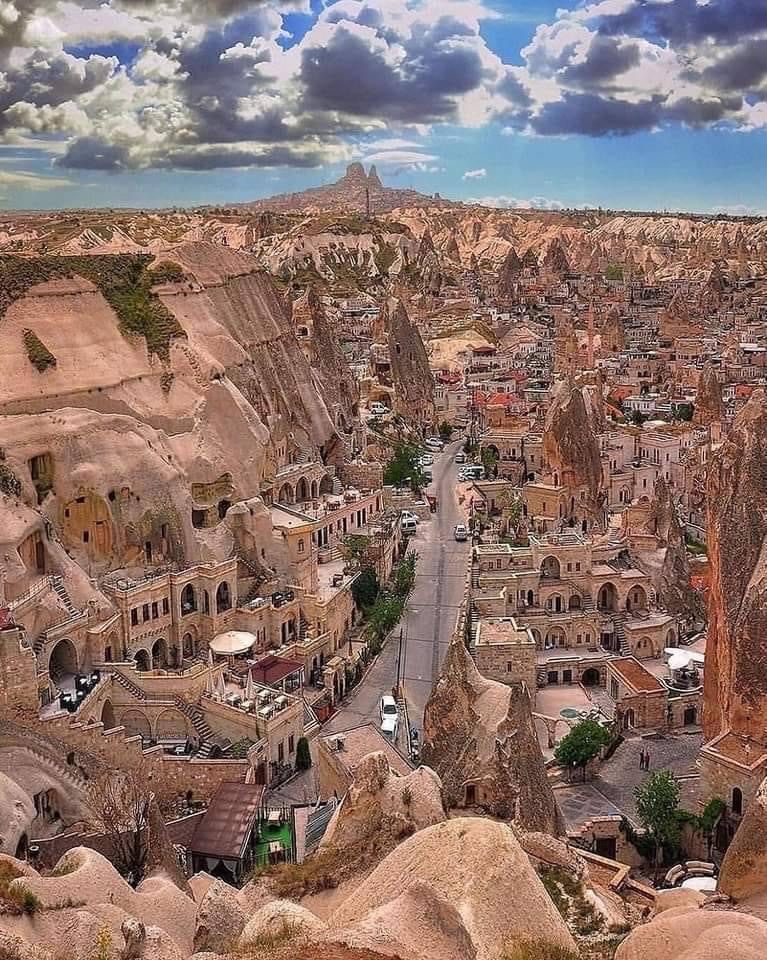
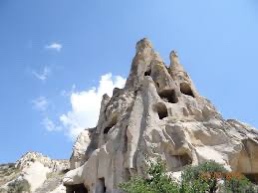
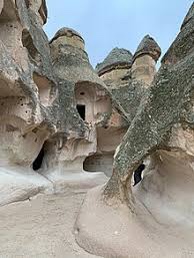
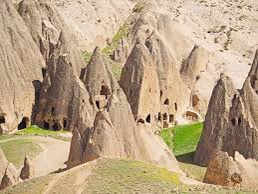
Cappadocia is a historical region in central Turkey known for its unique landscape, ancient underground cities, and rock-cut churches. The region is characterized by its distinctive cone-shaped rock formations, known as “fairy chimneys,” which were formed by volcanic eruptions and erosion over millions of years.
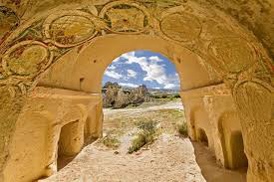
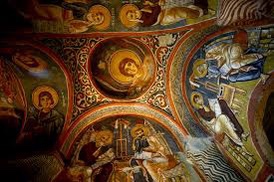
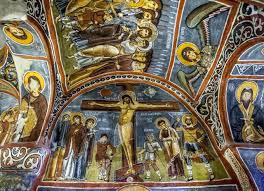
The area has a rich history and has been inhabited by various civilizations over the centuries, including the Hittites, Persians, Romans, Byzantines, and Ottomans. The region also played an important role in early Christianity, and many of the rock-cut churches and monasteries in Cappadocia are decorated with frescoes depicting scenes from the Bible.
One of the most popular activities in Cappadocia is hot air ballooning, which offers a stunning view of the unique landscape from above. Other popular activities include hiking, visiting the underground cities, and exploring the rock-cut churches and monasteries.
Some of the most famous sites in Cappadocia include the Goreme Open-Air Museum, which features a collection of rock-cut churches and monasteries dating back to the 10th century, and the Derinkuyu Underground City, which is one of several ancient underground cities in the region that were used for shelter and defense during times of war.
Rock-cut Churches
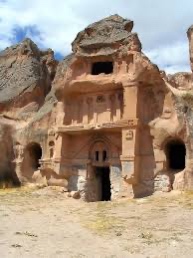
Rock-cut churches and monasteries in Cappadocia that are worth visiting:
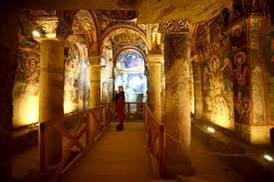
- Goreme Open-Air Museum: This is one of the most popular tourist attractions in Cappadocia and is a UNESCO World Heritage site. The museum features a collection of rock-cut churches and monasteries dating back to the 10th century, including the Karanlik Kilise (Dark Church), which is known for its well-preserved frescoes.
- Selime Monastery: This is a large complex of rock-cut buildings located in a remote valley in Cappadocia. The monastery dates back to the 13th century and was used by Christian monks until the 20th century. It features a large cathedral, a refectory, and several other rooms cut into the rock.
- St. Barbara Church: This is a small but well-preserved rock-cut church located in the town of Cavusin. The church was built in the 11th century and features frescoes depicting scenes from the Bible.
- Tokali Church: This is one of the oldest and largest rock-cut churches in Cappadocia. It was built in the 10th century and features a large central dome and well-preserved frescoes depicting scenes from the life of Jesus.
- Uchisar Castle: This is not a church or monastery, but rather a large rock formation that was carved into a fortress by the Byzantines. The castle offers panoramic views of the surrounding landscape and is a popular spot for watching the sunset.
- Certainly, here are some additional rock-cut churches and monasteries to visit in Cappadocia:
- Apple Church: This is a small rock-cut church located in the town of Ortahisar. It features well-preserved frescoes depicting scenes from the Bible, including the Last Supper and the Crucifixion.
- Cavusin Church: This is a large rock-cut church located in the town of Cavusin. It was built in the 5th century and features several well-preserved frescoes depicting saints and biblical scenes.
- St. John the Baptist Church: This is a small rock-cut church located in the town of Cavusin. It was built in the 11th century and features frescoes depicting scenes from the life of John the Baptist.
- St. Catherine Chapel: This is a small rock-cut chapel located in the town of Goreme. It was built in the 11th century and features well-preserved frescoes depicting scenes from the life of Jesus and the Virgin Mary.
- Karlik Kilise (Dark Church): This is a rock-cut church located in the Goreme Open-Air Museum. It is known for its well-preserved frescoes depicting scenes from the Bible, including the Last Judgment and the Betrayal of Jesus.
- Soganli Valley: This is a remote valley in Cappadocia that features several rock-cut churches and monasteries. The churches date back to the 9th and 10th centuries and feature well-preserved frescoes depicting scenes from the Bible and the lives of the saints.
- Pancarlik Church: This is a large rock-cut church located in the Pancarlik Valley. It was built in the 11th century and features well-preserved frescoes depicting scenes from the Bible and the lives of the saints.

 SummerSimo Travel Troubles Notes and The Purring Page
Leave a comment