The Danish Vikings were a group of seafaring warriors and traders who came from what is now modern-day Denmark and who played a significant role in the history of Europe during the Viking Age. The Viking Age lasted from the late 8th century to the mid-11th century and saw the Vikings raiding, trading, and settling in various parts of Europe, including the British Isles.
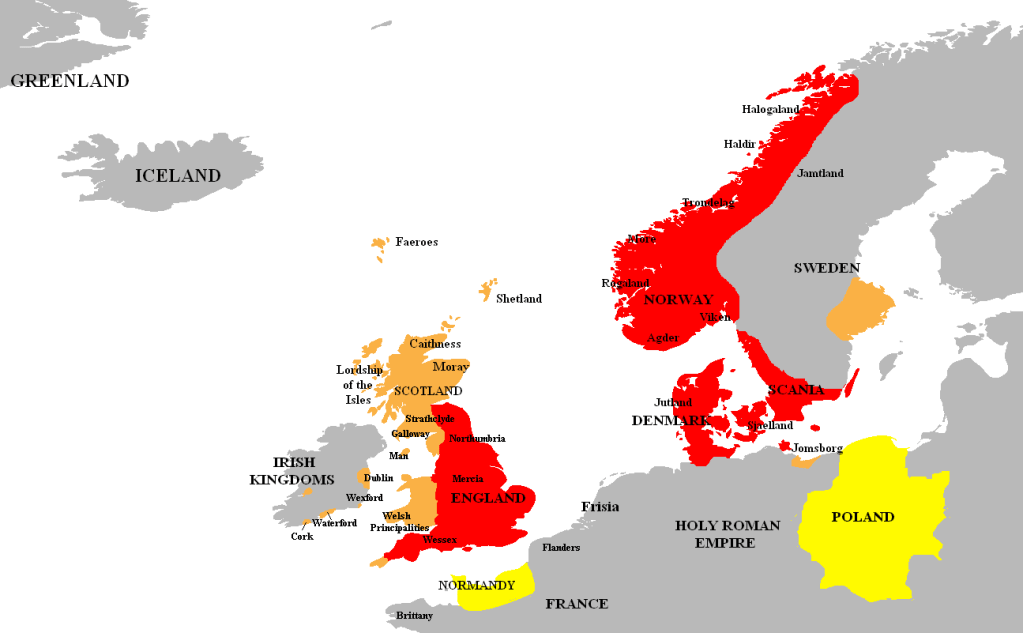
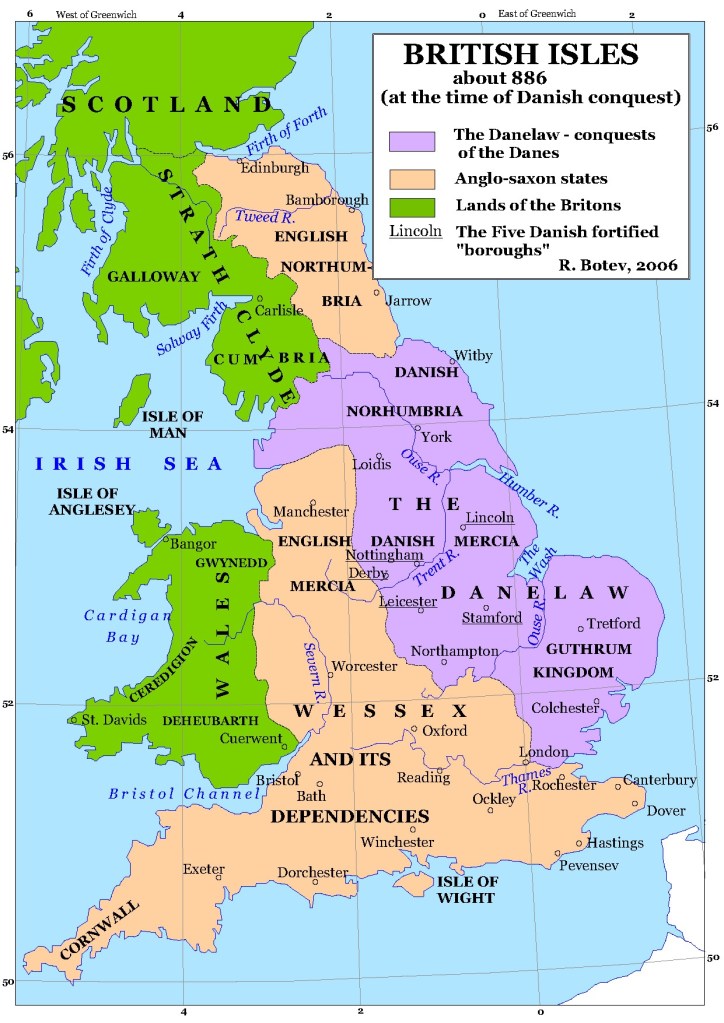
In the late 9th century, the Danish Vikings began to establish a presence in England, which at the time was divided into several small kingdoms. The Danish Vikings, led by leaders such as Guthrum and Ivar the Boneless, launched a series of raids and invasions into England, eventually establishing a territory known as the Danelaw, which encompassed much of eastern and northern England.
The Danelaw was characterized by a hybrid culture that combined elements of Viking and Anglo-Saxon culture. The Danish Vikings who settled in the Danelaw intermarried with the Anglo-Saxons, and the two cultures gradually merged over time. The Danelaw lasted for several decades before it was reconquered by the Anglo-Saxons in the late 10th century.
Despite the eventual defeat of the Danish Vikings in England, their legacy continued to be felt in the country for centuries to come. Many place names in England, particularly in the east and north, have Danish origins, and the English language was heavily influenced by Old Norse, the language spoken by the Vikings.
Today, the Danish Vikings are remembered as a fierce and formidable group of warriors and traders who left a lasting impact on the history and culture of Europe. The Danelaw, in particular, is seen as an important chapter in the history of England, representing a period of cultural exchange and integration between the Vikings and the Anglo-Saxons.
The Danelaw period in England was marked by a number of battles and conflicts between the Danish Vikings and the Anglo-Saxons. Here are some of the major battles fought during this period:
- Battle of Edington (878): This was a decisive victory for the Anglo-Saxon king Alfred the Great over the Viking leader Guthrum. The battle took place in Wiltshire, in the southwest of England, and is considered to be one of the most important battles in English history. The victory secured Alfred’s position as king of Wessex and marked the beginning of the end of Viking invasions in England.
- Battle of Tettenhall (910): This was a victory for the Anglo-Saxon king Edward the Elder over a coalition of Vikings and Britons. The battle took place near Wolverhampton, in the West Midlands of England, and is seen as a significant moment in the Anglo-Saxon reconquest of England.
- Battle of Maldon (991): This was a battle between the Anglo-Saxon army and a Viking raiding party led by Olaf Tryggvason. The battle took place in Essex, in the southeast of England, and is famous for the heroic last stand of the Anglo-Saxon leader, Byrhtnoth. The battle was ultimately won by the Vikings, but it represented a turning point in the relationship between the Vikings and the Anglo-Saxons.
- Battle of Ashingdon (1016): This was a battle between the forces of the Anglo-Saxon king Edmund Ironside and the Danish king Cnut. The battle took place in Essex, in the southeast of England, and ended in a stalemate. However, Edmund was later forced to cede much of his kingdom to Cnut, leading to the establishment of a unified Anglo-Danish kingdom in England.
These are just a few examples of the major battles fought during the Danelaw period. The period was marked by a number of smaller skirmishes and conflicts as well, as the Anglo-Saxons and the Danish Vikings vied for control of England.
The Danelaw period in England was marked by a number of battles and conflicts between the Danish Vikings and the Anglo-Saxons. Here are some of the major battles fought during this period:
- Battle of Edington (878): This was a decisive victory for the Anglo-Saxon king Alfred the Great over the Viking leader Guthrum. The battle took place in Wiltshire, in the southwest of England, and is considered to be one of the most important battles in English history. The victory secured Alfred’s position as king of Wessex and marked the beginning of the end of Viking invasions in England.
- Battle of Tettenhall (910): This was a victory for the Anglo-Saxon king Edward the Elder over a coalition of Vikings and Britons. The battle took place near Wolverhampton, in the West Midlands of England, and is seen as a significant moment in the Anglo-Saxon reconquest of England.
- Battle of Maldon (991): This was a battle between the Anglo-Saxon army and a Viking raiding party led by Olaf Tryggvason. The battle took place in Essex, in the southeast of England, and is famous for the heroic last stand of the Anglo-Saxon leader, Byrhtnoth. The battle was ultimately won by the Vikings, but it represented a turning point in the relationship between the Vikings and the Anglo-Saxons.
- Battle of Ashingdon (1016): This was a battle between the forces of the Anglo-Saxon king Edmund Ironside and the Danish king Cnut. The battle took place in Essex, in the southeast of England, and ended in a stalemate. However, Edmund was later forced to cede much of his kingdom to Cnut, leading to the establishment of a unified Anglo-Danish kingdom in England.
These are just a few examples of the major battles fought during the Danelaw period. The period was marked by a number of smaller skirmishes and conflicts as well, as the Anglo-Saxons and the Danish Vikings vied for control of England.
There were several notable Viking leaders who played a significant role in the battles fought during the Danelaw period in England. Here are some examples:
- Guthrum: Guthrum was a Viking leader who led a series of attacks on Anglo-Saxon England during the late 9th century. He was responsible for the capture of the Anglo-Saxon kingdom of East Anglia and was eventually defeated by the Anglo-Saxon king Alfred the Great in the Battle of Edington in 878.
- Ivar the Boneless: Ivar was a legendary Viking leader who was said to have participated in the invasion of England in the late 9th century. He was the son of the legendary Viking leader, Ragnar Lodbrok, and is believed to have played a significant role in the establishment of the Danelaw in England.
- Olaf Tryggvason: Olaf was a Viking leader who raided England in the late 10th century. He is believed to have led the Viking raiding party that fought in the Battle of Maldon in 991.
- Sweyn Forkbeard: Sweyn was a Danish king who invaded England in the early 11th century. He launched a series of successful attacks on Anglo-Saxon England, eventually forcing the Anglo-Saxon king Ethelred the Unready into exile. Sweyn became king of England following Ethelred’s death in 1016.
- Cnut the Great: Cnut was a Danish king who ruled England from 1016 until his death in 1035. He was the son of Sweyn Forkbeard and is considered to be one of the most successful Viking leaders in English history. He established a unified Anglo-Danish kingdom in England and is remembered as a wise and just ruler.
The Battle of Maldon, which was fought in 991, did have an impact on the political landscape of England, although it was not a decisive battle in terms of territorial gains or losses.
At the time of the battle, England was divided into several small kingdoms, and the Anglo-Saxons were struggling to repel the Viking raids. The battle itself was fought between the Anglo-Saxon army of Essex and a Viking raiding party led by Olaf Tryggvason. Although the Anglo-Saxons were ultimately defeated, the battle had an impact on the political landscape of England in a few key ways:
- It boosted the reputation of the Anglo-Saxon leader, Byrhtnoth, who was killed in the battle. Byrhtnoth’s heroic last stand became the subject of legend and poetry, and he came to be viewed as a symbol of Anglo-Saxon resistance to the Viking raids.
- It inspired a sense of national pride among the Anglo-Saxons. The battle demonstrated the strength of Anglo-Saxon resistance to the Viking raids and showed that the Anglo-Saxons were capable of standing up to the Vikings.
- It may have contributed to the eventual unification of England. The battle demonstrated the need for a unified Anglo-Saxon kingdom to repel the Viking raids, and it may have helped to pave the way for the eventual unification of England under the rule of the Anglo-Saxon king, Alfred the Great.
While the Battle of Maldon did not have a direct impact on the political landscape of England, it did play a role in shaping the national identity and sense of unity among the Anglo-Saxon people.
The Battle of Maldon, had a significant impact on the relationship between the Anglo-Saxons and the Vikings. The battle, which was fought between the Anglo-Saxon army of Essex and a Viking raiding party led by Olaf Tryggvason, was a key moment in the long history of conflict between the two groups.
The battle itself was a Viking victory, but it had a number of important consequences for the relationship between the Anglo-Saxons and the Vikings:
- It demonstrated the strength of Anglo-Saxon resistance to the Viking raids. The Anglo-Saxon army, led by Byrhtnoth, fought bravely and tenaciously, despite being outnumbered and outgunned.
- It inspired a sense of national pride among the Anglo-Saxon people. Byrhtnoth’s heroic last stand became the subject of legend and poetry, and he came to be viewed as a symbol of Anglo-Saxon resistance to the Viking raids.
- It may have contributed to the eventual unification of England. The battle demonstrated the need for a unified Anglo-Saxon kingdom to repel the Viking raids, and it may have helped to pave the way for the eventual unification of England under the rule of the Anglo-Saxon king, Alfred the Great.
- It marked a shift in the relationship between the Anglo-Saxons and the Vikings. Prior to the battle, the Vikings had been seen by the Anglo-Saxons primarily as raiders and plunderers. After the battle, however, the Anglo-Saxons began to view the Vikings as a formidable military force that needed to be reckoned with.
The Battle of Maldon had a significant impact on the relationship between the Anglo-Saxons and the Vikings, inspiring a sense of national pride and paving the way for a more complex and nuanced relationship between the two groups.

 SummerSimo Travel Troubles Notes and The Purring Page
Leave a comment