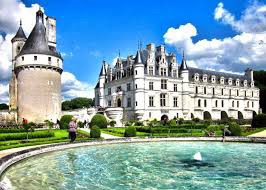
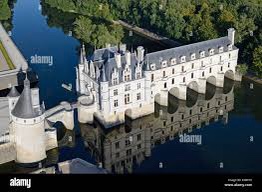
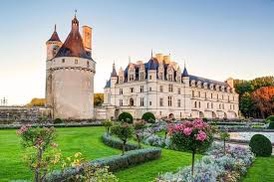
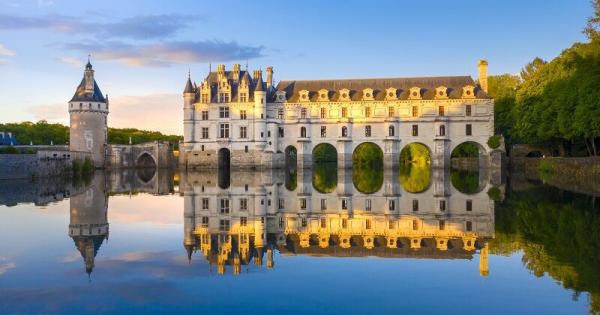
Chateau de Chenonceau, probably the most peculiar and beautiful castle of the Loire. It was devised and protected by women. Diane de Poitiers commissioned the building of the bridge and gardens in 1555. It was later modified and owned by Catherine de Medici and Louise de Lorraine.
The Chateau de Chenonceau is a historic castle located in the Loire Valley in central France. It is known for its distinctive architecture and its location spanning the River Cher. The chateau has a rich history dating back to the 16th century, when it was built by Thomas Bohier and later acquired by King Henry II’s mistress, Diane de Poitiers. After Henry II’s death, his widow, Catherine de’ Medici, forced Diane de Poitiers to give up the chateau, and added her own additions to the structure.
Over the years, the Chateau de Chenonceau has been home to several notable figures, including Louise of Lorraine, the wife of King Henry III, and the famous writer and salonnière Madame Dupin. Today, it is one of the most popular tourist attractions in France, drawing visitors from all over the world who come to admire its beautiful gardens, stunning architecture, and rich history.
There are often events and exhibitions held at the Chateau de Chenonceau throughout the year. These can include art exhibitions, concerts, and special tours of the chateau and its gardens. The chateau also hosts special events for holidays such as Christmas and Easter, as well as seasonal events such as wine tastings and harvest festivals.
In addition, the Chateau de Chenonceau offers guided tours that can be tailored to specific interests, such as history, architecture, or gardens. There are also audio guides available in multiple languages that provide a self-guided tour of the chateau and its grounds.
The Chateau de Chenonceau hosts a variety of art exhibitions throughout the year, showcasing works by both contemporary and historical artists. The exhibitions can feature paintings, sculptures, and other forms of visual art.
In the past, the chateau has hosted exhibitions featuring the works of famous artists such as Leonardo da Vinci, Pablo Picasso, and Salvador Dali. Other exhibitions have focused on specific themes or art movements, such as the Impressionist movement or Art Nouveau.
The chateau also has a permanent collection of art, which includes paintings, sculptures, tapestries, and other decorative objects. Many of these works are on display throughout the chateau, giving visitors the opportunity to appreciate them in the context of the historic setting.
If you’re interested in visiting an art exhibition at the Chateau de Chenonceau, it’s a good idea to check the chateau’s website or contact them directly to find out what exhibitions are currently on display or upcoming.
The Chateau de Chenonceau has a rich and varied permanent art collection that includes paintings, sculptures, tapestries, furniture, and other decorative objects. Many of these works date back to the 16th century and are closely tied to the chateau’s history.
One of the highlights of the collection is a series of 16th-century Flemish tapestries that depict scenes from the story of Jason and the Golden Fleece. These tapestries were commissioned by Thomas Bohier, the original owner of the chateau, and were later acquired by Catherine de’ Medici.
The chateau also has a number of paintings and sculptures that were added to the collection by subsequent owners, including Louise of Lorraine and Madame Dupin. These works include portraits, religious scenes, and mythological subjects.
In addition to the tapestries and artwork, the chateau’s collection includes a variety of decorative objects, such as porcelain, silverware, and furniture. Many of these objects are on display throughout the chateau’s rooms, giving visitors the opportunity to appreciate them in the context of the historic setting.
There are several rooms in the Chateau de Chenonceau that are dedicated to showcasing the permanent art collection. These rooms are located on the ground and first floors of the chateau and include:
- The Gallery: This is the most famous room in the chateau and is known for its long, narrow shape and its location spanning the River Cher. The Gallery is decorated with 16th-century Flemish tapestries that were once part of the chateau’s original collection. The tapestries depict scenes from the story of Jason and the Golden Fleece and are considered one of the finest examples of Flemish tapestry in the world.
- The Diane de Poitiers Room: This room is named after Diane de Poitiers, King Henry II’s mistress, who was responsible for the chateau’s iconic bridge over the River Cher. The room features a number of paintings and sculptures from the chateau’s permanent collection, including portraits of Diane de Poitiers and King Henry II.
- The Louis XIV Room: This room is named after King Louis XIV, who visited the chateau in the 17th century. The room features a number of paintings and sculptures from the chateau’s collection, including a portrait of Louis XIV himself.
- The Catherine de’ Medici Room: This room is named after Catherine de’ Medici, the queen consort of King Henry II. The room features a number of tapestries and paintings from the chateau’s collection, including a portrait of Catherine de’ Medici.
These rooms, along with many others in the chateau, offer visitors the opportunity to see the permanent art collection up close and in the context of the chateau’s fascinating history.




 SummerSimo Travel Troubles Notes and The Purring Page
Leave a comment