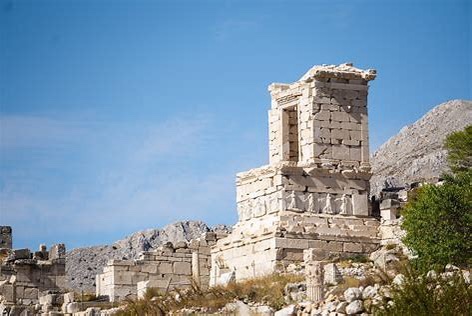
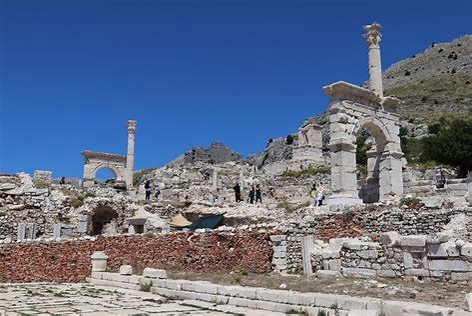
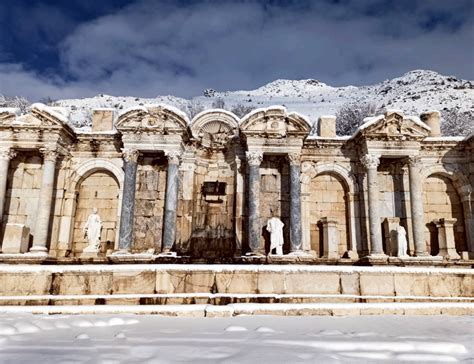
Sagalassos is an ancient city located in southwest Turkey, in the Burdur province. The city was founded in the Hellenistic period, around the 3rd century BCE, and was inhabited until the 7th century CE. It was an important cultural and economic center in the region, known for its prosperous agriculture, trade, and arts.
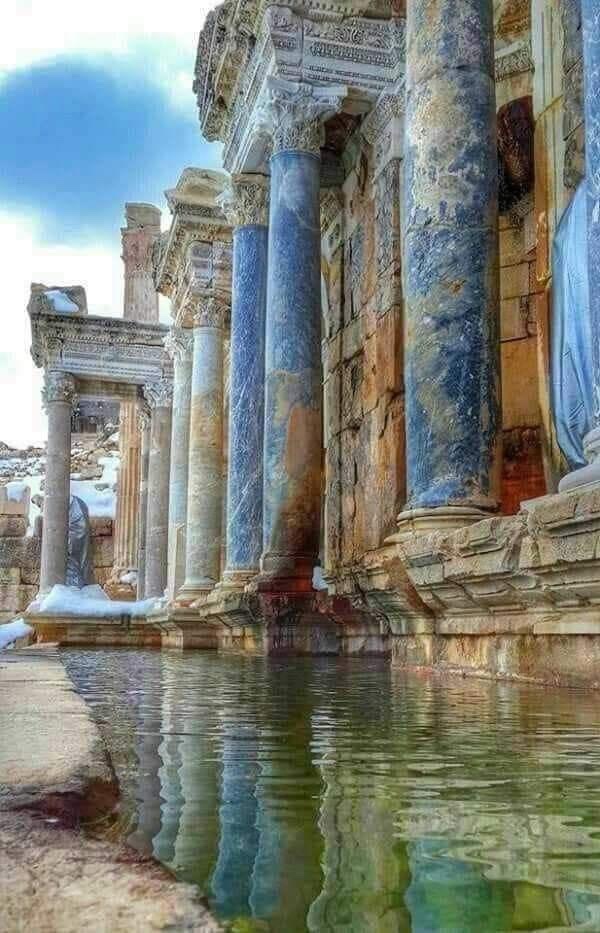
Sagalassos was known for its impressive architecture and urban planning. The city was built on a steep slope and was divided into several districts, each with its own public buildings and residential areas. The city was also home to several impressive monuments, including a large theater, a monumental fountain, and a library.
Sagalassos was abandoned in the 7th century CE, and the ruins of the city were rediscovered in the 19th century. Since then, extensive archaeological excavations have been carried out at the site, revealing many of the city’s impressive structures and artifacts. Today, Sagalassos is a popular tourist destination and a significant site for the study of ancient history and archaeology in Turkey.
The best way to get to Sagalassos from Burdur is by car or taxi. There are several car rental agencies in Burdur, and taxis are also readily available. The distance between Burdur and Sagalassos is around 40 kilometers, and the journey takes approximately 45 minutes to one hour, depending on traffic conditions.
Alternatively, you can take a Dolmuş (shared taxi) from Burdur to the nearby town of Ağlasun, which is located about 5 kilometers from Sagalassos. From Ağlasun, you can take a taxi or hire a local guide to take you to the archaeological site. However, please note that Dolmuş service may not be frequent, and it may be necessary to wait for a while before one arrives.
It’s also possible to join a guided tour to Sagalassos from Burdur or other nearby towns such as Antalya or Isparta. Many tour operators offer day trips to the site, which typically include transportation, admission fees, and the services of a professional guide.
Regardless of how you choose to get there, visiting Sagalassos is a unique and rewarding experience that offers a glimpse into the rich history and culture of ancient Turkey.
Sagalassos, like many ancient sites, has its fair share of mysteries and legends associated with it. Here are a few examples:
- The Curse of Sagalassos: According to legend, a curse was placed on Sagalassos by the gods after the city was abandoned. The curse was said to bring misfortune and disaster to anyone who disturbed the ruins or attempted to loot its treasures. While there is no evidence to support this legend, it has contributed to the site’s reputation as a place of mystery and intrigue.
- The Lost Library of Sagalassos: According to some legends, Sagalassos was home to a great library that contained rare and valuable texts from throughout the ancient world. However, the library was said to have been destroyed or lost during the city’s abandonment, and its contents were never recovered. While there is no archaeological evidence to support the existence of this library, it has captured the imagination of many scholars and writers.
- The Hidden Treasures of Sagalassos: Like many ancient sites, Sagalassos is said to contain hidden treasures and artifacts that have yet to be discovered. Some legends claim that the city’s wealth was hidden away by its inhabitants before it was abandoned, while others suggest that valuable objects were left behind in the rush to flee the city. While many treasures have been discovered at the site, there may still be undiscovered riches waiting to be found.
All these legends and mysteries add to the allure of Sagalassos and contribute to its reputation as a place of wonder and fascination. However, it is important to approach these stories with a critical eye and to rely on verified historical and archaeological evidence when exploring the site’s rich history and culture.

 SummerSimo Travel Troubles Notes and The Purring Page