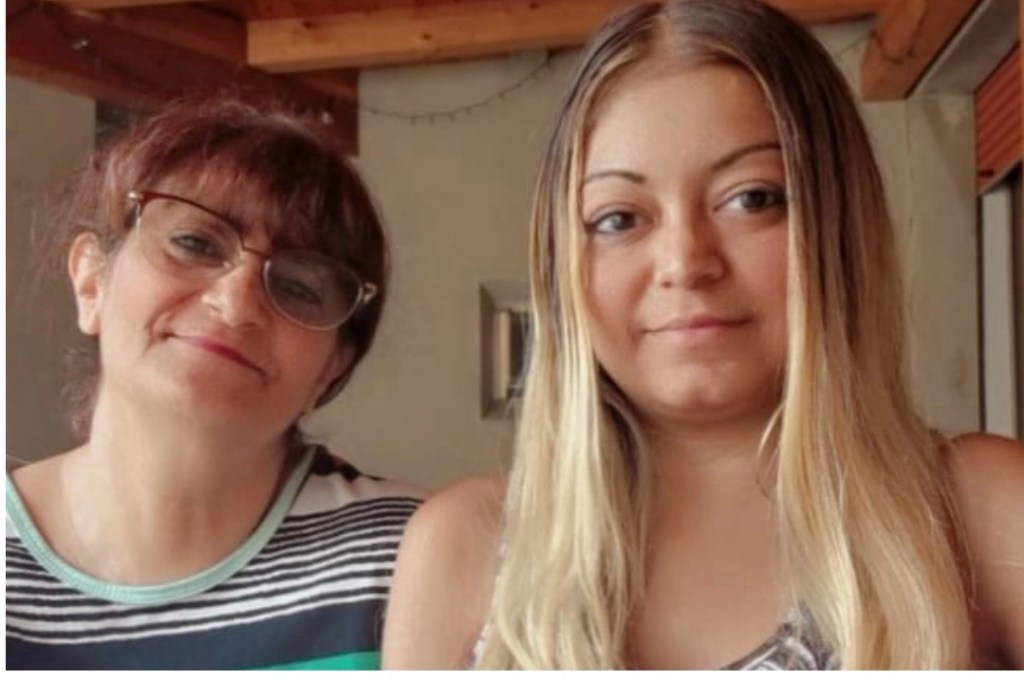
This is the first surgery of its kind, under loco-regional anesthesia, at Irccs Sant’Orsola. The patient, 25 years old with cystic fibrosis, could not have sustained intubation: “Now I feel reborn”
Bologna, July 3, 2023 – A 25-year-old girl received a kidney from her mother and faced the surgery while awake. This is the first transplant performed under loco-regional anesthesia at Irccs Sant’Orsola, where the modalities of the operation were presented this morning. The patient, with cystic fibrosis, could not have sustained intubation and thus general anesthesia. “Veronica suffers from cystic fibrosis and her clinical picture is overall difficult, marked by respiratory insufficiency that made it impossible to even hypothesize general anesthesia: the risks were too high,” explained Professor Gaetano La Manna, director of Nephrology, Dialysis and Transplantation at the Polyclinic. “We chose to offer her a transplant with loco-regional anesthesia after a long multidisciplinary discussion. We are proud to have offered her this opportunity, because despite the complexity of the surgery we avoided the patient from continuing dialysis and numerous other complications.” Antonio Siniscalchi, director of the post-surgical intensive care unit at Irccs Sant’Orsola, confirms that “intubating Veronica was impossible, there was a risk of a tracheotomy or serious respiratory complications. In addition to the clinical evaluation as a group, there was one aspect that gave me confidence that we could give her this opportunity: her motivation and strength. Managing a patient under loco-regional anesthesia, both before and during surgery, is complex: first you have to choose the most specific therapy with respect to the case, during you have to support the patient emotionally as well, and this requires, if possible, even more attention. She did well, cooperated and held her own psychologically as well. She shed a single tear, but one of joy, when her mother’s kidney came into the room and she asked us to show it to her. We did it.”
“To say that the patient did the transplant is not far from reality,” says surgeon Matteo Ravaioli, “because she managed to stay still for three hours. Hugs to Veronica and her mother from our community. – the intervention of Regional Health Councillor Raffaele Donini- An extraordinary story in which the expertise of our professionals, the determination of a courageous girl and the love of a mother, who with the gift of a kidney has allowed her daughter to recover a quality of life that was previously impossible, are intertwined.” The patient: “I feel reborn.”
The young woman recalls how she came to the surgery under the Two Towers. “My journey at Sant’Orsola began thanks to the suggestion of the cystic fibrosis center in Cesena,” Veronica points out, “after I received a rejection at another Italian center. At the polyclinic, already from the first interview, I felt reassured and found hope again. I was always convinced that I wanted to have the transplant, even when this solution was proposed to me and the need to be operated on while awake. Finally a few weeks ago I received the donated kidney from my mom. The surgery went well and today I feel reborn, I am getting back to the life I used to lead before dialysis. I am grateful to all the doctors for believing in me and in my belief that I wanted to go through this difficult surgery.” Mom
Moved mom Rosaria: “I can’t describe in words what I feel when I think of having had the opportunity to donate my daughter’s kidney. The meaning is in the light that came back in her eyes. When St. Ursula’s gave us a willingness to perform the transplant, I offered myself as a donor. We were operated on the same morning and said goodbye with a hug and an ‘I love you’.”
Chiara Gibertoni, director general of Irccs Sant’Orsola, says, “When we are faced with such complex cases, it is the teamwork that makes the difference. In addition, when it comes to transplants we also have on our side the experience and research that in this area has allowed us to become a Scientific Hospitalization and Treatment Institute.”

 SummerSimo Travel Troubles Notes and The Purring Page