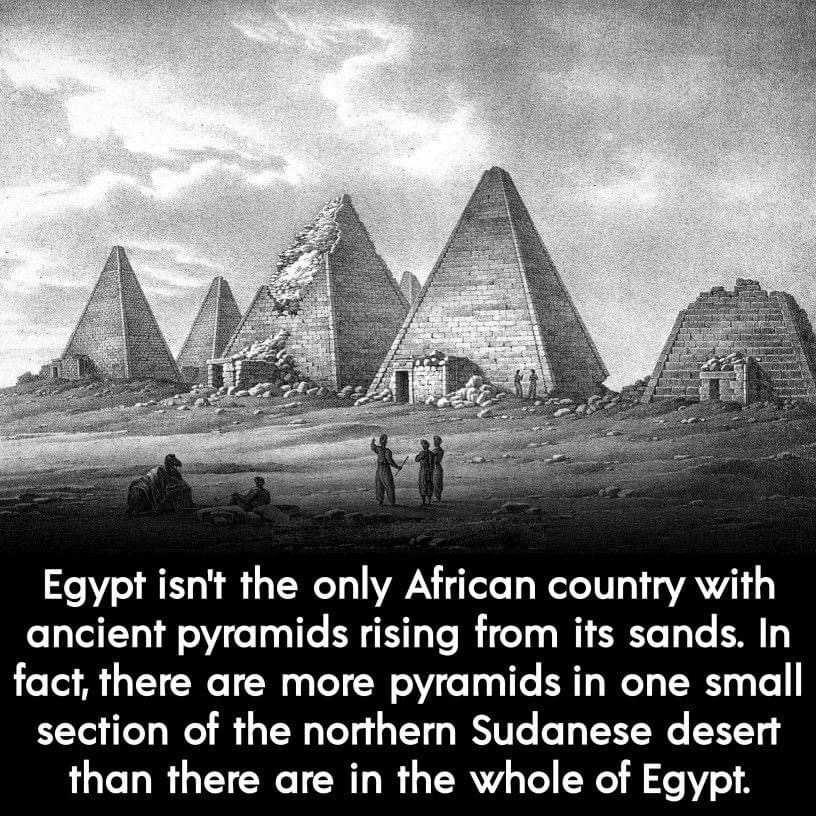
There are indeed pyramids located outside Egypt. Although the most famous pyramids are in Egypt, there are several other countries that have their own pyramid structures. Here are a few examples:
- Mexico: The Pyramid of Chichen Itza is one of the most iconic pyramids outside of Egypt. It is a step pyramid located in the Yucatan Peninsula and was built by the Mayans.
- Sudan: The Pyramid of Merowe is one of over 200 pyramids found in Sudan. These pyramids were built by the Kushite kingdom, known as the “Black Pharaohs.”
- Peru: The Pyramid of Cahuachi is one of the largest pyramid structures in the Americas. It was built by the Nazca civilization and is believed to have been used for religious and ceremonial purposes.
- China: The Pyramid of Xian is an ancient pyramid located near Xi’an. It is believed to be the tomb of Emperor Qin Shi Huang, the first emperor of China.
These are just a few examples, but there are several other pyramids located in different parts of the world, each with their own unique history and cultural significance.
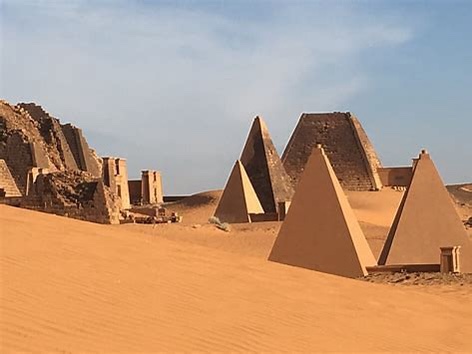
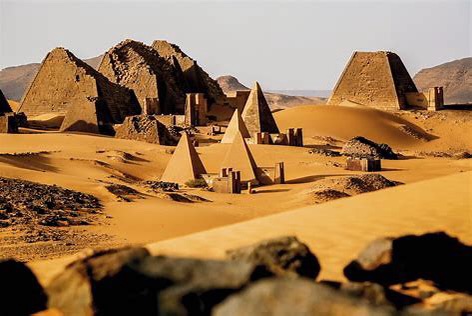
Sudan: The Pyramids of Meroë are a fascinating collection of over 200 pyramids located in Sudan. These ancient structures were built by the Kingdom of Kush, also known as the “Black Pharaohs.” They served as burial tombs for the Kushite kings and queens, showcasing their power and connection to the Egyptian civilization. The Meroitic pyramids have their own distinctive style, with smaller bases and steeper angles compared to the Egyptian pyramids. They still stand as a testament to the rich history and influence of the Kushite kingdom in the region.
Let’s dive deeper into the Pyramids of Meroë in Sudan.
The Pyramids of Meroë are one of the most remarkable archaeological sites in Sudan. Located approximately 200 kilometers north of Sudan’s capital Khartoum, they served as the final resting place for the rulers of the Kingdom of Kush, which flourished between 800 BCE and 350 CE.
The Kushite kingdom emerged as a powerful empire after the collapse of the Egyptian New Kingdom. As the Kushites began to exert their influence over the region, they developed their own unique cultural and architectural style, blending elements of Egyptian and Nubian traditions.
The Meroitic pyramids, built as burial tombs, adorned the landscape around the city of Meroë. Consisting of over 200 structures spread across different royal necropolises, they showcase the rich history and complexity of the Kushite civilization.
Unlike the Egyptian pyramids, which have square bases, the Meroitic pyramids have smaller, more compact bases with steeper sides. The Meroitic builders used a combination of sandstone and granite to construct these monumental structures. Each pyramid consisted of multiple layers, with intricate chambers and passages beneath the surface.
The largest and most iconic pyramid at Meroë is the Nuri Pyramid, dedicated to King Taharqa, one of the most esteemed Kushite rulers. It soared to a height of around 50 meters, making it an imposing and majestic structure.
The Meroitic pyramids faced significant challenges throughout the centuries, including pillaging by treasure hunters and the destructive effects of time. However, concerted efforts by archaeologists and preservationists have sought to protect and restore these invaluable pieces of history.
Today, the Pyramids of Meroë stand as a testament to the might and grandeur of the Kingdom of Kush. They serve as tangible reminders of the intricate ties between ancient civilizations and the enduring legacy they left behind. Exploring these pyramids offers visitors a unique opportunity to delve into Sudan’s rich cultural heritage and gain insights into the complex dynamics that shaped the ancient world.
The Pyramids of Meroë are located in the vast desert expanse known as the Butana region, approximately 200 kilometers northeast of Sudan’s capital, Khartoum. They were built as burial tombs for the rulers of the Kingdom of Kush, a Nubian civilization that ruled over parts of modern-day Sudan and Egypt.
The pyramids date back to a period spanning from the 3rd century BCE to the 4th century CE. The construction of these pyramids aligns with the decline of Egyptian influence in Nubia and the rise of the independent Kushite kingdom.
The Meroitic pyramids are often compared to their more famous Egyptian counterparts, but they have distinct characteristics. They are smaller in size and have steeper angles than the Egyptian pyramids. Additionally, unlike the stepped design of some Egyptian pyramids, the Meroitic structures have a more smooth, sloping appearance.
The largest and most well-known pyramid at the site is the Nuri Pyramid, constructed around 640-610 BCE. It is estimated to have reached a height of about 25 meters, although it has since eroded and stands at a reduced height. This pyramid, along with many others, served as the final resting place for Kushite kings and queens.
The Kingdom of Kush valued its connection to ancient Egypt, and this is evident in the Meroitic pyramids. Subtle elements of Egyptian influence can be observed in their architectural design and religious symbolism, such as pyramidion-shaped capstones and depictions of Egyptian gods and pharaohs.
Over time, the Pyramids of Meroë faced challenges such as looting and erosion. Treasure hunters sought valuables buried within the tombs, resulting in significant damage to the structures. However, efforts have been made to preserve and safeguard these ancient treasures.
Today, the Meroitic pyramids are recognized as a UNESCO World Heritage Site. They offer visitors a glimpse into the grandeur and significance of the Kushite civilization, showcasing intricate architectural design and reflecting the powerful influence of ancient Egypt on the region. Exploring the Pyramids of Meroë provides a unique window into Sudan’s rich history and the cultural tapestry of the ancient world.




 SummerSimo Travel Troubles Notes and The Purring Page